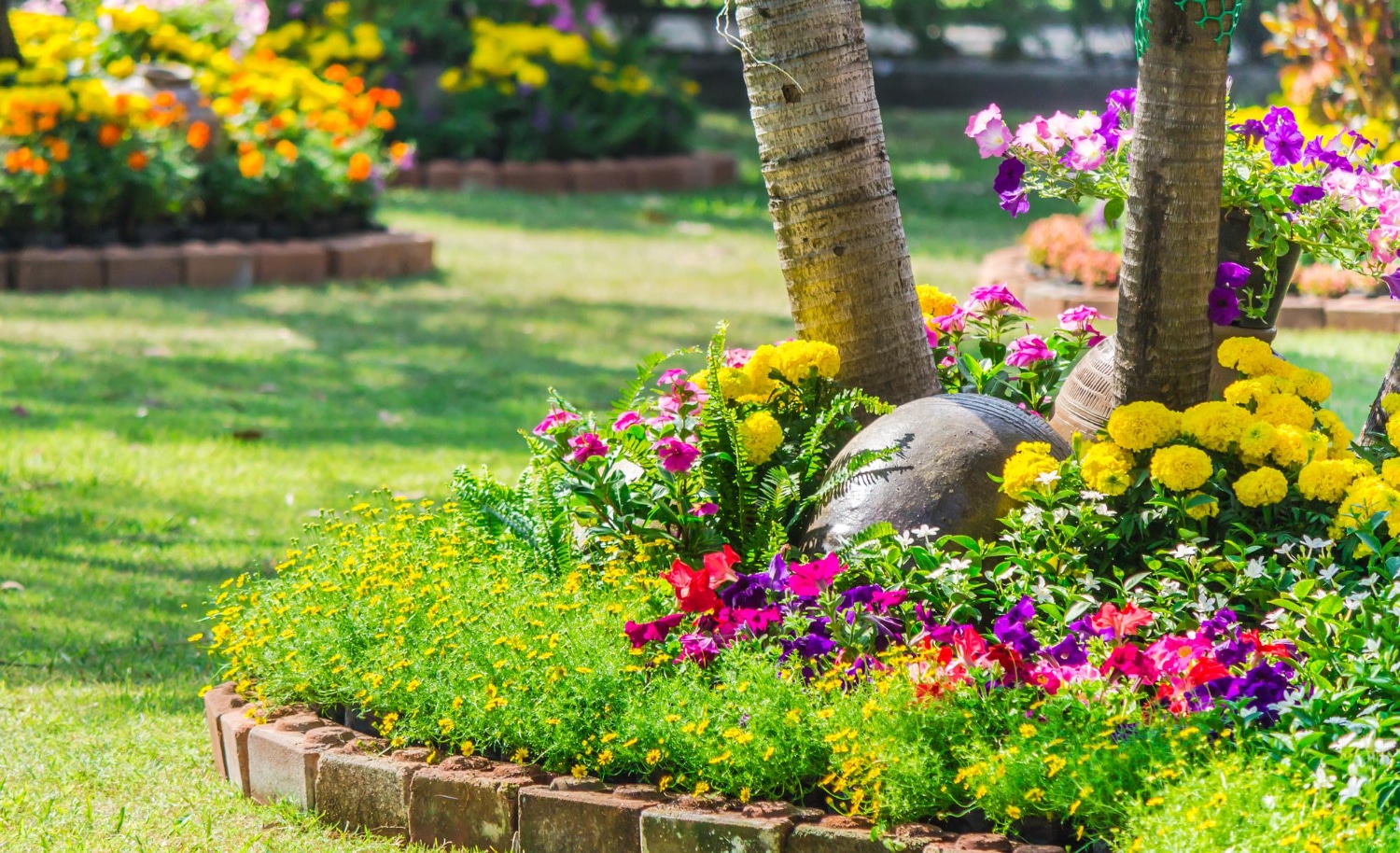
Multi-level flower beds are not just an element of landscape design; they are true art that helps create visual depth and interesting accents in the garden. At Ecolandscape Studio, we believe that using levels and heights when designing flower beds adds dynamism to the space, making the garden more expressive. In this article, we will share the secrets of creating voluminous flower compositions that not only please the eye but also turn your garden into a true oasis.
Key Principles of Creating Multi-Level Flower Beds
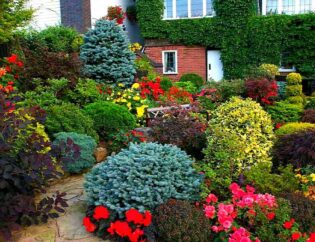
To make a flower bed multi-layered and voluminous, it is important to carefully plan the composition and selection of plants. Each level should harmoniously complement its neighbors while standing out with its own characteristics. The key principle of multi-level design is to create smooth transitions between heights.
The first level, which we recommend placing closer to the ground, should be the most dense and colorful to create a strong visual foundation. These can be low-growing plants with bright colors: asters, marigolds, pansies, or ornamental grasses.
For the second level, medium-height plants are ideal. These flowers can be tall and vibrant but should not be too overwhelming. Great options include coneflower, phlox, lavender, or hollyhocks, which will bring lightness and airiness to the composition.
Finally, the third level, located at the top of the flower bed, should feature the tallest plants that create vertical accents. These can be perennials with long stems such as lilies, sunflowers, cosmos, or even ornamental shrubs.
Important Aspects When Choosing Plants
When choosing plants for a multi-level flower bed, it is important to consider not only their height but also the lighting conditions, watering preferences, and soil characteristics. To ensure the composition looks harmonious and dynamic, the plants should complement each other in terms of color and texture, without competing with one another.
At Ecolandscape Studio, we always recommend using plants with various textures. For example, a combination of soft, grassy plants with hard, bright flowers can create interesting contrasts. You can also add shrubs or climbing plants that will beautifully intertwine with other plants and create an effect of «organic chaos.»
Special attention should be given to perennials, which don’t require constant replanting and will ensure the composition’s stability for several seasons. Moreover, they will provide the flower bed with lasting beauty and make the garden feel more alive and natural.
How to Position Flower Beds on Your Plot
It is important to consider not only the choice of plants but also the location of the multi-level flower bed. If your plot is small, it’s best to place the flower beds near a wall, border, or path to create a sense of volume. This will help the flower bed become a focal point in your garden.
For larger plots, flower beds can be grouped or placed along long paths to create an effect of layering and depth. Also, don’t forget about the organization of the space: between the levels of the flower bed, you can place small decorative elements, such as stones, figurines, or fountains, which will make the composition more complete.
Care for Multi-Level Flower Beds
Caring for multi-level flower beds requires time and attention, especially if you want the composition to stay beautiful throughout the season. It’s important to regularly trim plants, remove dry leaves and stems to maintain the bed’s shape.
Also, ensure that each level gets enough light and moisture for the plants. We recommend combining plants with varying light and watering needs to keep the flower bed healthy and vibrant throughout the year.
Martin Palma, founder and CEO of Ecolandscape Studio, advises that when creating multi-level flower beds, it’s important to not forget about elements that help add height and volume. Using natural materials, such as stones and wooden structures, not only adds extra texture to the flower bed but also highlights its natural beauty.
Multi-level flower beds are a great way to add dynamism and volume to your garden, creating interesting visual accents. With the right selection of plants and thoughtful placement of elements, such a garden will delight you year-round. At Ecolandscape Studio, we always approach the creation of garden compositions with passion, and we are confident that multi-level flower beds can become not just an element of landscape design, but a true work of art that brings a unique atmosphere to your garden.