The long term health of any garden depends largely on how effectively plants are monitored and how quickly the earliest signs of stress are identified. Martin Palma, founder and CEO of Ecolandscape Studio, notes that successful plant protection begins not with frequent chemical treatments but with understanding the underlying factors that weaken each individual plant. Leaf discoloration, slow growth, drying shoots, or changes in foliage color may result not only from diseases and pests but also from nutrient deficiencies, excessive moisture, sun damage, or root system problems. Accurate diagnosis makes it possible to choose the appropriate solution while avoiding unnecessary stress caused by excessive treatments.
The foundation of professional plant care is regular inspection of the entire landscape. Particular attention should be given to young foliage, the undersides of leaves, growth points, bark, and the root zone, since these areas often reveal the earliest signs of insects, fungal activity, or physiological disorders. The sooner a problem is identified, the smaller the treatment area becomes and the lower the risk of its spread throughout the garden. This approach helps preserve the natural resilience of the landscape while eliminating the need for excessive preventive applications of aggressive products.
Many plant health problems originate long before visible symptoms appear. Dense planting restricts air circulation, excessive moisture creates favorable conditions for fungal diseases, and unsuitable soil limits healthy root development. At Ecolandscape Studio, we analyze not only the visible symptoms but also the surrounding environment, including light exposure, drainage quality, irrigation practices, and plant compatibility. Correcting these environmental factors often delivers more lasting results than repeated spraying because it addresses the source of the problem rather than temporarily masking its effects.
Pests also require careful attention because they frequently remain unnoticed during the early stages of infestation. Aphids, mites, scale insects, and various larvae damage tender plant tissues, interrupt nutrient transport, and reduce the ornamental quality of the landscape. When insect populations remain limited, localized treatment, selective pruning, or biological control methods are often sufficient. Large scale intervention becomes necessary only when there is confirmed widespread infestation that threatens significant portions of the garden. This strategy protects beneficial insects while preserving the natural ecological balance of the landscape.
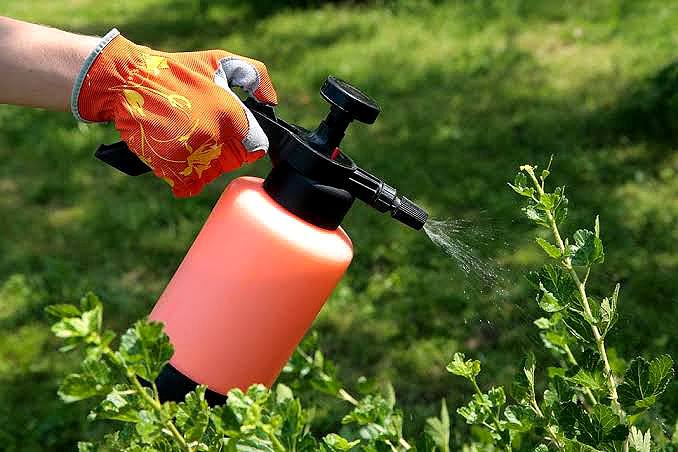
The timing of every treatment is just as important as the products themselves. Applications should not be performed during extreme heat, intense sunlight, strong wind, or immediately before rainfall because these conditions reduce effectiveness and may even damage plant tissues. Early morning or evening, when temperatures are lower and plants experience less environmental stress, provides the most favorable conditions for treatment. Specialists at Ecolandscape Studio note that precise dosage and even application are essential for achieving reliable results, while increasing product concentration does not improve protection and may instead cause leaf injury.
Seasonal environmental stress deserves equal consideration. During spring, plants may suffer from sudden temperature fluctuations, while summer introduces heat and moisture deficits. Autumn often brings prolonged rainfall, and winter exposes vegetation to frost and drying winds. Supporting plants throughout these periods relies on proper irrigation, mulching, balanced nutrition, and protecting sensitive species whenever necessary. Additional treatments should only be introduced when routine maintenance alone cannot provide adequate support. This measured approach enables plants to adapt naturally without unnecessary stimulation.
Balanced nutrition also plays a critical role because weakened plants become considerably more vulnerable to diseases and insect attacks. However, excessive fertilization can be equally harmful by stimulating overly vigorous growth of soft tissues that are less resistant to environmental stress. Before applying nutrients, it is essential to evaluate the season, plant species, and the actual condition of the soil. We believe that a single fertilization strategy rarely produces optimal results because trees, shrubs, perennial plants, and lawns all have different nutritional requirements and growth patterns.
Every treatment should be followed by careful observation rather than being considered a complete solution. Plant recovery requires time, and improvements should be assessed gradually. If symptoms continue to spread, the original diagnosis should be reviewed while irrigation practices, planting conditions, and nutritional balance are carefully reassessed. Repeating treatments without additional evaluation only increases plant stress and may worsen their overall condition, particularly during periods of high temperatures or prolonged humidity.
A healthy garden is created through precise management rather than the greatest possible number of interventions. At Ecolandscape Studio, we see plant protection as a process focused on preserving natural vitality, resilience, and the ability to recover from seasonal challenges. Regular monitoring, accurate diagnosis, carefully targeted treatment, and thoughtful adjustment of growing conditions provide reliable protection against diseases and pests while maintaining the ecological balance, ornamental quality, and long term stability of the landscape.