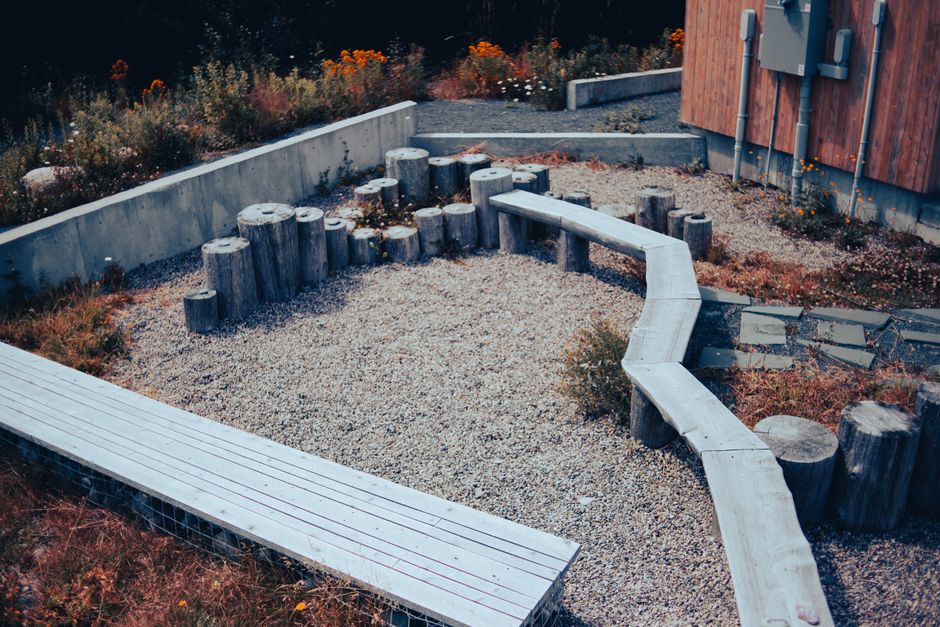
A small backyard does not have to feel cramped or limiting. With the right approach to yard landscaping design, even the most compact outdoor space can become a genuinely comfortable and visually appealing extension of your home. The key is knowing which design choices actually work and which ones make a small space feel even tighter.
At Ecolandscape Studio, we work with homeowners who often underestimate what their backyard can become. These ten ideas are practical, proven and easy to adapt to different yard sizes, styles and budgets.
One of the most effective strategies in small backyard design is dividing the space into distinct functional areas. Instead of treating the yard as one open patch, you create a seating zone, a planting zone and perhaps a small path or transition area between them. This approach gives the eye something to travel through, which makes the space feel larger than it actually is.
Using low-profile garden edging ideas to define these zones adds structure without visual clutter. Clean lines between a lawn alternative, a patio area and a planting bed create a sense of order that reads as spacious rather than crowded.
Vertical elements are equally useful. A trellis with climbing plants, a tall narrow shrub or a simple privacy landscaping screen draws the eye upward and shifts attention away from the limited horizontal footprint. This is one of the most underused techniques in residential landscape design for smaller properties.
Mirrors placed on a fence or wall can also create the illusion of depth. This works particularly well in enclosed urban backyards where the boundary walls are close together. Pair this with thoughtful landscape lighting ideas, such as soft uplighting along a fence or path lighting through a planting bed, and the space transforms completely after dark.
Choosing the right furniture scale matters more than most homeowners expect. Oversized patio furniture in a small backyard design will eat up visual space immediately. Opt for pieces with slim profiles, open frames or light colors. Foldable or stackable options give you flexibility without permanent bulk.
Martin Palma, founder and CEO of Ecolandscape Studio, often points out that the biggest mistake in small yard projects is trying to fit too much in at once. In his experience, clients who start with one well-designed outdoor living space, a comfortable seating area with good planting design around it, end up far more satisfied than those who try to include every feature from the beginning. Restraint, he notes, is one of the most powerful tools in landscape design.
Plant selection plays a major role in how a small backyard feels. Dense, bushy plantings placed too close to a seating area can make the space feel enclosed in an uncomfortable way. Instead, layered planting design with taller plants at the back and lower groundcovers or ornamental grasses at the front creates depth without blocking sightlines.
Native plant garden design is a smart fit for small backyards because native species tend to be lower maintenance, better adapted to local conditions and more wildlife-friendly. A pollinator garden design tucked into a corner or along a fence adds color and ecological value without demanding much space or upkeep.
For homeowners in drier climates, drought tolerant garden design and xeriscape garden design principles work beautifully in compact yards. Replacing a struggling lawn with gravel, decomposed granite or a low maintenance garden design using succulents and ornamental grasses reduces water use and eliminates the need for regular mowing. These lawn alternatives are increasingly popular in modern garden design and they genuinely reduce the time and cost of yard maintenance.
A rain garden design can also work in a small backyard if drainage is an issue. Even a modest planted depression near a downspout can manage runoff effectively while adding a natural, layered look to the planting design.
Light colors in both plants and hardscape materials reflect more light and make a space feel more open. Pale gravel, light-toned pavers and white or cream flowering plants all contribute to this effect. Darker materials tend to absorb light and visually compress a space, so use them as accents rather than the primary surface.
The goal in any small backyard landscaping project is to create a space that feels intentional and complete, not like a scaled-down version of something bigger. Every element should earn its place, from the patio landscaping ideas you choose to the plants you select and the lighting you install. When the design is cohesive and thoughtfully layered, even a modest yard can feel like a genuine outdoor retreat.









