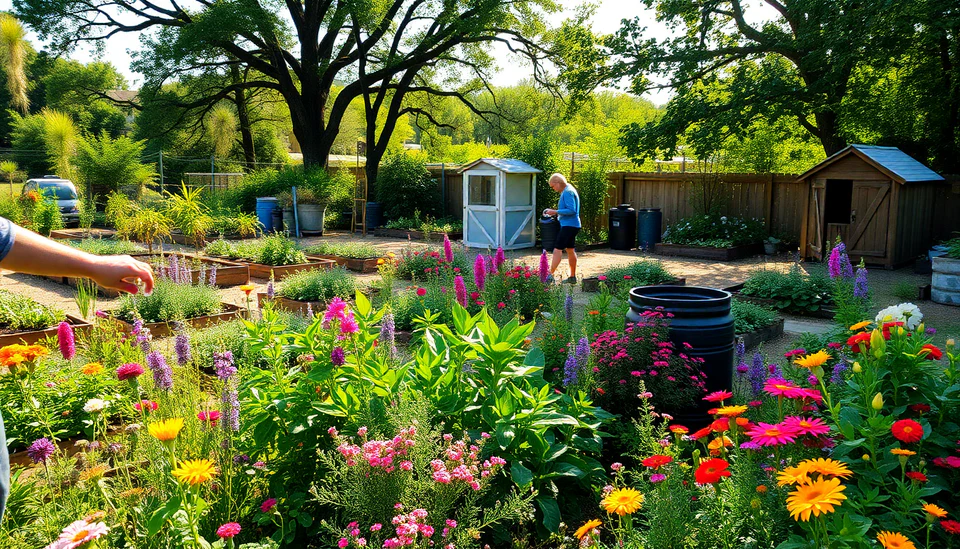
Ecolandscape Studio is pleased to share important information on how to implement eco-friendly practices in landscape design. In recent decades, sustainability in landscape design has become one of the main goals, driven by growing environmental concerns, climate change, and the need for careful resource management. In this article, we will explore how the use of native plants, minimizing water consumption, and reducing waste can help create a sustainable and eco-friendly space. We will also share expert opinions and experiences from our team to help you not only create a beautiful garden but also one that is safe for the environment.
Native Plants: The Foundation of Sustainable Landscape Design
Native plants play a key role in creating a sustainable landscape design, and this should be considered when planning your garden. These plants are perfectly suited to your region as they are adapted to local climate and soil conditions. They require less maintenance, less water, and are more resilient to local pests and diseases. This makes them ideal for creating an eco-sustainable garden.
As Martin Palma, founder and CEO of Ecolandscape Studio, notes: «When I started working in landscape design, I always felt that using native plants was a necessity. It is important to understand that these plants require minimal care and will thrive without much attention, making them perfect for sustainable gardening.»
Using native plants not only reduces water consumption but also supports local biodiversity. These plants attract pollinators such as bees and butterflies, and create natural habitats for local wildlife. This also helps to reduce the need for chemical pest control, making the garden environmentally friendly and safe.
Minimizing Water Consumption in Landscape Design
Efficient water use is a critical aspect of sustainable landscape design. In the face of global climate change and worsening water scarcity, minimizing water consumption is becoming a top priority. Water is a precious resource, and well-designed irrigation systems can significantly reduce its use.
Smart irrigation systems, such as drip irrigation, deliver water directly to the plant roots. This eliminates excessive evaporation and water waste. Thanks to solutions like drip irrigation, water consumption is significantly reduced, and plants receive enough moisture to thrive in any condition.
Additionally, practices like mulching are important. Mulch helps retain moisture in the soil, preventing rapid evaporation, which is especially important during hot summer months. Mulching effectively reduces the need for frequent watering and lowers the risk of plant dehydration.
Garden zoning is another important factor. By dividing the garden into areas with different water needs, you can minimize water consumption and create comfortable conditions for all types of plants.
Reducing Waste and Using Recycled Materials
Gardening is not only about creating a beautiful landscape but also caring for the planet. One of the key aspects of sustainable landscape design is waste reduction. Composting organic waste, such as leaves and plant trimmings, is an excellent way to reduce landfill waste while simultaneously improving soil quality.
Moreover, using recycled materials to create garden paths, walls, and decorative elements helps reduce waste. Materials like recycled concrete or brick can be used to create beautiful and durable landscape features, making your garden both eco-friendly and stylish.
Green Roofs and Carbon Absorbers
With the growth of urbanization, more attention is being given to innovative solutions like green roofs. This trend helps not only to improve building insulation but also to reduce air pollution in cities. Green roofs provide additional space for plants that absorb carbon dioxide and release oxygen. This also contributes to creating a more comfortable microclimate and lowering urban temperatures.
By selecting the right plants for green roofs, you can significantly reduce your carbon footprint. The use of carbon-absorbing plants in your garden also helps mitigate the effects of climate change. For example, trees are excellent at absorbing carbon dioxide and fighting global warming. This is one of the most effective solutions for reducing your carbon footprint and creating an eco-friendly landscape.
Modern Technologies for Sustainable Landscape Design
The implementation of modern technologies in landscape design helps create not only a beautiful but also a more sustainable garden. For example, the use of intelligent irrigation systems, which adjust the amount of water based on weather conditions, helps conserve water resources and maintain plant health. These technologies are becoming more accessible and efficient for creating sustainable and eco-friendly landscapes.
Additionally, innovative solutions for rainwater harvesting help reduce dependence on centralized water supplies and increase garden autonomy. Rainwater collection systems are an effective way to utilize natural resources for garden irrigation.
Sustainable landscape design is essential for conserving natural resources and creating harmony with the environment. The use of native plants, efficient water management, waste reduction, and the creation of carbon absorbers are steps we can take to create not only a beautiful but also an environmentally friendly garden.
Ecolandscape Studio believes that sustainable landscape design is the way to the future, benefiting both us and the entire planet. We are happy to offer comprehensive solutions for creating sustainable gardens that will delight the eye and care for the future of our ecosystem.









