Cities of the 21st century face increasing pressure on infrastructure, growing population density, and the continuous reduction of natural green areas. Under these conditions, sustainable urban greening is no longer viewed merely as an aesthetic component of city planning but as an essential tool for creating healthy and comfortable environments for residents. Martin Palma, founder and CEO of Ecolandscape Studio, notes that modern landscaping approaches must simultaneously address environmental, social, and economic challenges. Today, green infrastructure is increasingly recognized as a fundamental element of urban development that can improve quality of life while enhancing the long-term resilience of cities.
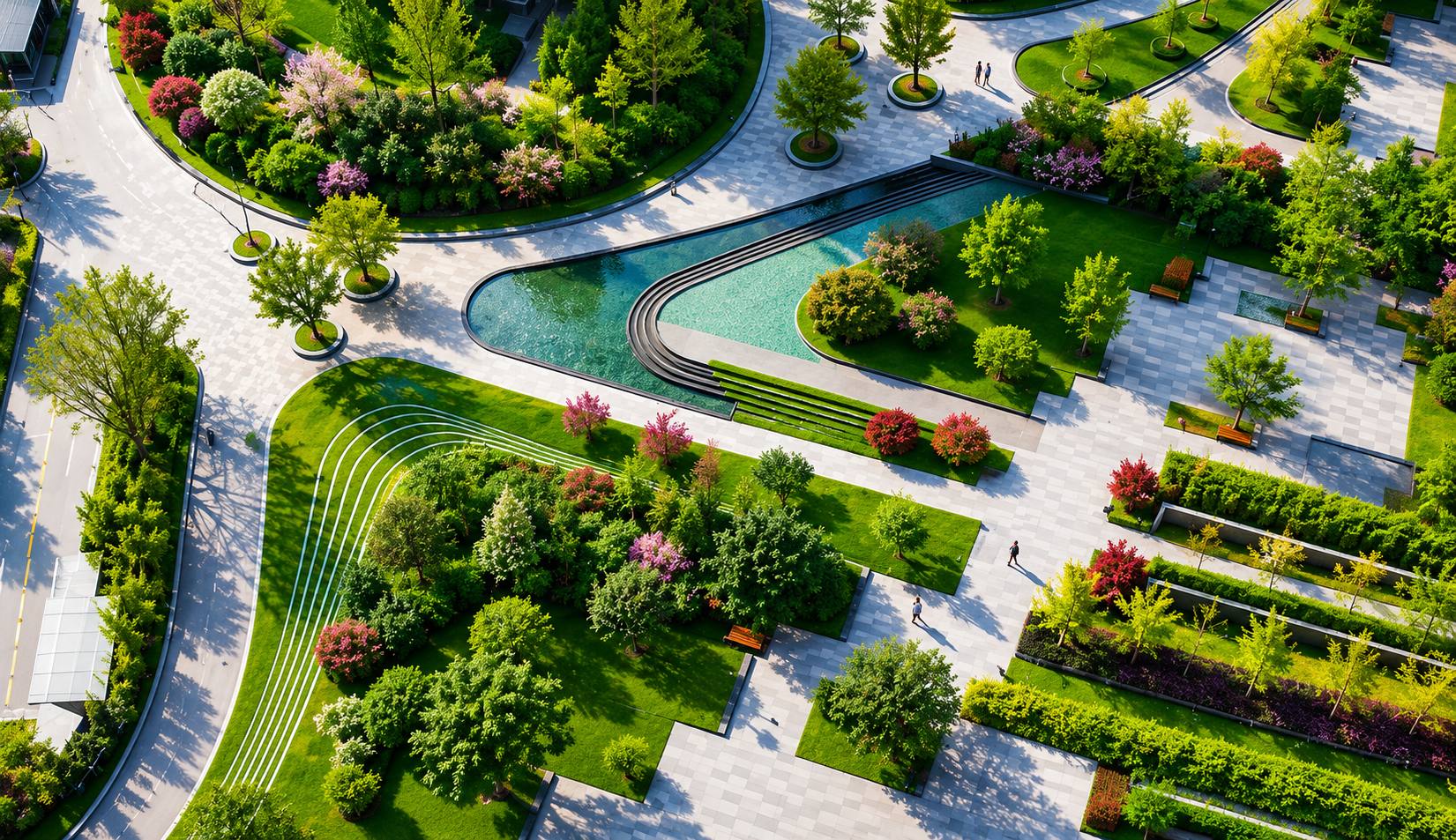
One of the most significant trends in recent years has been the creation of multifunctional green spaces that combine recreational areas, ecological benefits, and community gathering places. These environments provide residents with opportunities to relax outdoors, encourage social interaction, and contribute to healthier urban microclimates. Specialists at Ecolandscape Studio believe that contemporary parks and public landscapes should be designed not only for current needs but also for the future demands of growing cities. For this reason, flexibility and adaptability have become key principles in the planning of modern urban green spaces.
The implementation of nature-based solutions is becoming increasingly important as cities seek effective responses to climate-related challenges. Rain gardens, green corridors, natural water filtration systems, and the use of native plant species are examples of strategies that deliver both environmental and practical benefits. Beyond enhancing visual appeal, these elements reduce pressure on urban infrastructure and improve the ecological performance of neighborhoods. We analyze international best practices and observe that such projects can significantly improve urban living conditions without requiring extensive expansion of traditional infrastructure systems.
Special attention is also being given to vertical greening systems and green roofs. In densely developed urban environments, these solutions help compensate for the limited availability of open land for vegetation. Additional advantages include improved thermal insulation, reduced noise pollution, and stronger support for urban biodiversity. Specialists at Ecolandscape Studio note that these technologies are steadily becoming an integral part of comprehensive planning strategies for residential districts, commercial developments, and public facilities.
Another critical objective is the creation of comfortable urban microclimates. Rising temperatures in metropolitan areas have made landscaping one of the most effective tools for combating the urban heat island effect. Trees and green vegetation can lower surrounding temperatures, provide natural shade, and contribute to cleaner air. At Ecolandscape Studio, we believe that the strategic placement of green spaces should be regarded as a long-term investment in public health and well-being rather than simply a decorative addition to the urban landscape.
The future of sustainable development cannot be imagined without a comprehensive approach to urban greening. Modern cities require solutions that support ecological balance, create welcoming public spaces, and encourage responsible resource management at the same time. At Ecolandscape Studio, we see this as the foundation for building the next generation of urban environments where nature and architecture function as a unified system. Such an approach has the potential to ensure long-term urban resilience while making cities more attractive places to live, work, and thrive for future generations.