Competition in the commercial real estate sector today extends far beyond traditional criteria such as location, floor area, or architectural design. Increasingly, the quality of the surrounding environment plays a decisive role in the performance of commercial developments, influencing how visitors, tenants, and investors perceive a property. Martin Palma, founder and CEO of Ecolandscape Studio, analyzes current trends in commercial space development and notes that landscaping is gradually becoming a powerful tool for enhancing a project’s competitiveness. At a time when businesses seek to create attractive environments for both clients and employees, the appearance and functionality of outdoor spaces have become an essential part of long-term business strategy.
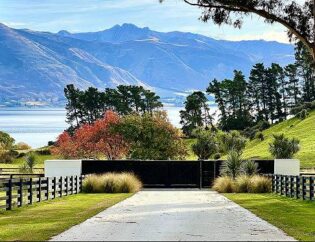
A person’s interaction with a commercial property begins long before they enter the building. Access routes, entrance areas, greenery, recreational zones, and the overall organization of outdoor space shape emotional impressions from the very first moment. Specialists at Ecolandscape Studio believe that high-quality landscaping can significantly increase the attractiveness of a commercial property and positively influence a potential client’s decision to engage with a business. As a result, modern office complexes, hospitality projects, retail destinations, and corporate campuses increasingly view investments in landscaping as a strategic component of sustainable development rather than a secondary design feature.
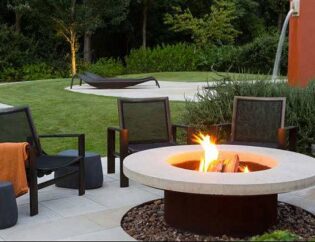
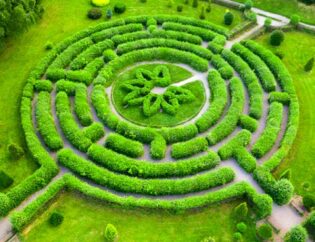
Well-designed outdoor environments also play an important role in creating a more comfortable urban experience around commercial properties. Modern visitors expect more than efficient services or functional office space. They increasingly value opportunities to spend time in pleasant public environments that promote comfort and well-being. Green areas, contemporary relaxation spaces, pedestrian-friendly routes, and carefully designed landscape features contribute to a more welcoming atmosphere. At Ecolandscape Studio, we analyze projects from various countries and consistently observe that developments with thoughtfully designed outdoor spaces tend to attract higher visitor engagement and maintain their appeal even during changing market conditions.
Landscaping also has a significant impact on corporate environments. For many organizations, employee well-being has become a crucial factor influencing overall business performance. Carefully planned outdoor areas create additional opportunities for social interaction, relaxation, and informal collaboration among colleagues. Quality landscapes can help reduce stress levels, improve satisfaction with the workplace, and strengthen corporate culture. Specialists at Ecolandscape Studio note that modern employers increasingly view surrounding outdoor spaces as an extension of the workplace itself, capable of influencing productivity, creativity, and employee engagement.
Another important advantage lies in the long-term investment stability of commercial projects. Properties that incorporate landscaping as a core element of development often retain their market value more effectively and attract a more consistent base of tenants. We believe that landscaping should not be viewed as an additional expense but rather as a strategic asset capable of generating economic value for many years. A well-organized environment strengthens the identity of a property and helps establish a recognizable presence within a competitive market.
Modern commercial developments are increasingly evaluated through the overall experience they provide to users. Architecture, services, functionality, and environmental quality are becoming interconnected elements of a unified concept. At Ecolandscape Studio, we see this as a natural evolution of the market, where the success of a project depends not only on the characteristics of the building itself but also on the quality, comfort, and visual appeal of the space surrounding it. This integrated approach allows commercial properties to maintain their relevance, attractiveness, and value over the long term.