A jungle-style garden transforms an ordinary yard into an exotic oasis. This landscape design brings the tropical atmosphere to your home, creating a cozy space for relaxation and enjoying nature. At Ecolandscape Studio, we share practical tips for creating a jungle garden, including how to choose the right plants, create the ideal microclimate, and decorate the area to enhance the exotic vibe.
Designing a jungle-style garden requires careful consideration of plant selection, décor, and proper zoning. It’s important to consider not only your region’s climate but also the plants’ needs for light, water, and soil. In this article, we’ll cover the key aspects that will help you create an impressive landscape for your yard.
How to Create Harmony in a Jungle Garden
A jungle garden is a multi-layered space where each element has its place. The key feature of this design is creating dense greenery using plants of different heights. Proper zoning is essential so that plants don’t compete for sunlight and moisture.
As Martin Palma, founder and CEO of Ecolandscape Studio, emphasizes, «Creating a jungle-style garden requires creating conditions similar to a tropical climate: high humidity, partial shade, and protection from strong winds.» These conditions are ideal for most tropical plants, allowing them to thrive. Taller plants, such as palms and banana trees, can be placed in the center, while smaller plants, such as ferns, can be placed at the edges, creating a lush undergrowth.
Plants for a Jungle Garden: How to Choose the Right Ones
Choosing the right plants is a crucial element in creating a jungle-style garden. Several factors should be considered: light preferences, water needs, and adaptability to your local climate. Tropical flora elements such as palms, banana plants, ferns, and exotic flowers are perfect for this style.
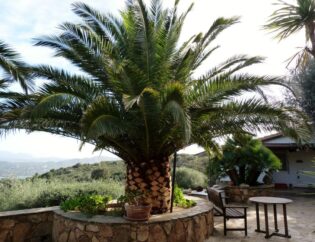
Palms are essential for a jungle garden. Tall and majestic, they serve as a central focal point and instantly create a tropical feel. For example, Trachycarpus fortunei or Chamaerops humilis palms work well if your climate allows. Banana plants with large leaves add lushness and visual appeal.
Ferns and other shrubs are equally important. Continuously growing hostas or decorative fruit-bearing plants are excellent for creating a dense undergrowth effect.
As Martin Palma notes, «When designing a garden, it’s important to consider not only visual appeal but also the conditions in which plants will thrive. For instance, orchids or lilies are perfect for bright color accents but require moist soil and protection from direct sunlight.»
Décor and Garden Elements: Enhancing the Tropical Atmosphere
Décor plays a vital role in a jungle-style garden by emphasizing the sense of wildness and natural beauty. Choose elements that harmonize with the overall style and highlight the tropical flora.
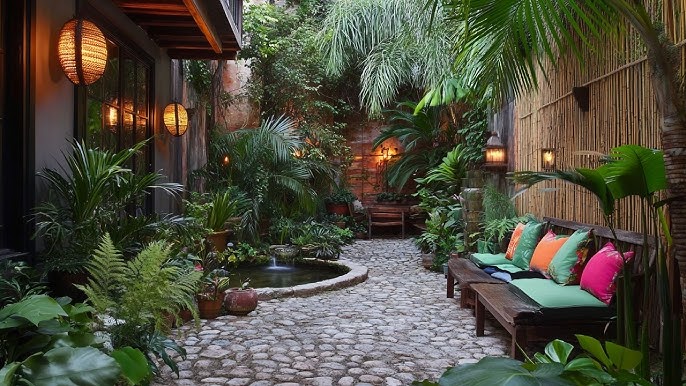
Rocks and driftwood are perfect for creating natural landscape features. Rocks can be used to design paths, build small hills, or create retaining walls. Water features, such as ponds or fountains, add dynamism and help maintain the humidity that tropical plants need. Installing a small pond or waterfall not only creates a visual focal point but also ensures comfortable growing conditions for your plants.
Wooden elements also contribute greatly. Bridges, gazebos, benches, and swings made of natural wood make the garden cozy and blend seamlessly with the natural style. Together, these elements create a true exotic corner where you’ll want to spend time.
Garden Lighting: How to Create a Jungle Atmosphere
Lighting is an important part of landscape design that helps reveal the beauty of a jungle-style garden. In the evening, soft lighting can create a magical and mysterious atmosphere. It’s important to keep the lighting gentle and indirect to maintain the natural ambiance.
To highlight plants, use low lights that illuminate the lower layers of the garden. This creates shadow effects and emphasizes plant textures. Illuminated ponds and fountains add dynamism and draw attention, especially at night. Martin Palma emphasizes, «Lit garden elements help create a magical atmosphere, turning the space into an oasis even after dark.»
Caring for a Jungle Garden: Maintaining the Ecosystem
Tropical plants require special care and attention. To create a jungle-style garden, you need to provide the right microclimate and regular maintenance. This includes maintaining optimal humidity, watering on schedule, and using appropriate fertilizers.
Watering is key. It’s important to keep the soil consistently moist without overwatering, which can cause root rot. Mulching helps retain soil moisture and prevents root overheating.
Fertilizers are equally important. Organic fertilizers such as compost and humus support plant health and encourage growth. Don’t forget pest protection, especially if your garden includes exotic species.
A jungle-style garden transports you to the tropics, creating a unique space for relaxation and rejuvenation. To create such a garden, consider several factors: plant selection, placement, décor, and lighting. All these elements should work in harmony to create an exotic environment where plants thrive and delight you year-round.
As Martin Palma says, «A jungle-style garden is not just about visual design but creating an ecosystem that brings joy throughout the year.» With our recommendations and the experience of Ecolandscape Studio, you can create a stunning tropical retreat that stands out not only for its beauty but also for its harmony with nature.