One of London’s most historic green spaces has just completed a remarkable transformation. Grosvenor Square, located in the heart of Mayfair, has reopened to the public following a £25 million redesign that took years of planning and careful execution. The project has drawn significant attention from landscape professionals, garden designers, and urban planners — and for good reason. The choices made here reflect some of the most relevant garden design trends shaping both public and residential landscape design today.
The square originally dates back to the early 18th century and has long been one of the most recognizable garden spaces in central London. Over time, the landscape had become dated and disconnected from how people actually use outdoor spaces. The redesign aimed to restore its historic character while making it genuinely functional, ecologically thoughtful, and welcoming for modern visitors.
The redesigned space places a strong emphasis on planting design. New tree planting, layered shrub borders, and carefully selected perennials now define the character of the square. The plant palette was chosen to support biodiversity, improve seasonal interest, and reduce long-term maintenance demands — a direction that aligns closely with what we see growing in residential landscape design as well.
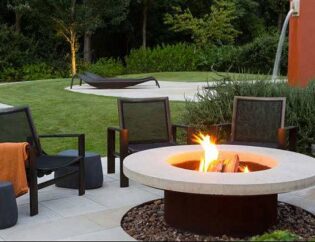
The layout was rethought to improve pedestrian flow and create distinct zones for rest, movement, and social gathering. Seating areas, improved pathways, and better lighting were all part of the plan. This kind of zoning approach is something that translates directly into backyard landscaping ideas and outdoor living space design for private properties. When a garden has clear purpose in each area, it becomes far more enjoyable and practical to use.
Water management was also addressed as part of the redesign. Improved drainage and soil preparation help the landscape handle rainfall more effectively, which is a principle closely related to rain garden design and water wise landscaping. These are not just public park concerns — they matter just as much in residential settings where poor drainage can damage planting and create ongoing maintenance problems.
Martin Palma, founder and CEO of Ecolandscape Studio, has followed the Grosvenor Square project with interest. From his experience working on residential and commercial landscape projects, he sees a clear parallel between what large-scale urban redesigns prioritize and what homeowners are increasingly asking for. Clients want spaces that look considered and natural, not overworked. They want planting that supports wildlife, requires less intervention over time, and still feels beautiful through every season. The Grosvenor Square redesign reflects exactly that shift in thinking.
The scale of a historic London square is obviously different from a private backyard or front yard, but the design principles carry over well. A few things stand out from this project that are worth applying to home garden design and yard landscaping design.
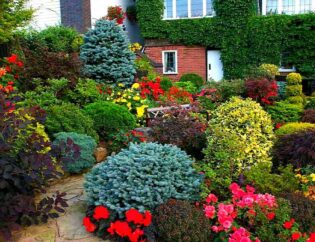
Layered planting creates depth and year-round interest. Rather than relying on a single season of color, the Grosvenor Square redesign uses a mix of trees, shrubs, and ground-level planting to keep the space engaging across different times of year. This approach works equally well in small backyard design and front yard landscaping ideas where the goal is to create a sense of richness without overcrowding.
Choosing plants that support pollinators and local ecology is no longer a niche preference. Pollinator garden design and native plant garden design have moved into the mainstream, and projects like this one demonstrate that ecological thinking and aesthetic quality are not in conflict. A garden can be both beautiful and genuinely useful to the environment around it.
Low maintenance garden design is another thread running through the Grosvenor Square project. The plant selection and layout were made with long-term care in mind. For homeowners, this is one of the most practical goals in any landscaping project. A well-designed garden should not require constant intervention to look good. Thoughtful planting design, good soil preparation, and appropriate plant selection do most of the work.
Lighting and pathway design also received attention in the square’s redesign. Landscape lighting ideas and clear circulation routes make outdoor spaces usable beyond daylight hours and give the garden a sense of structure that holds up in all seasons.
For anyone planning a garden update or a full residential landscape design project, the Grosvenor Square transformation is a useful reference point. It shows what happens when design decisions are made with ecology, usability, and long-term quality in mind rather than short-term visual impact. At Ecolandscape Studio, these are the same principles that guide every project, whether it is a compact urban backyard or a larger property with room for more ambitious planting and outdoor living space design. Good landscape design is always about creating something that works well, looks right, and continues to improve with time.