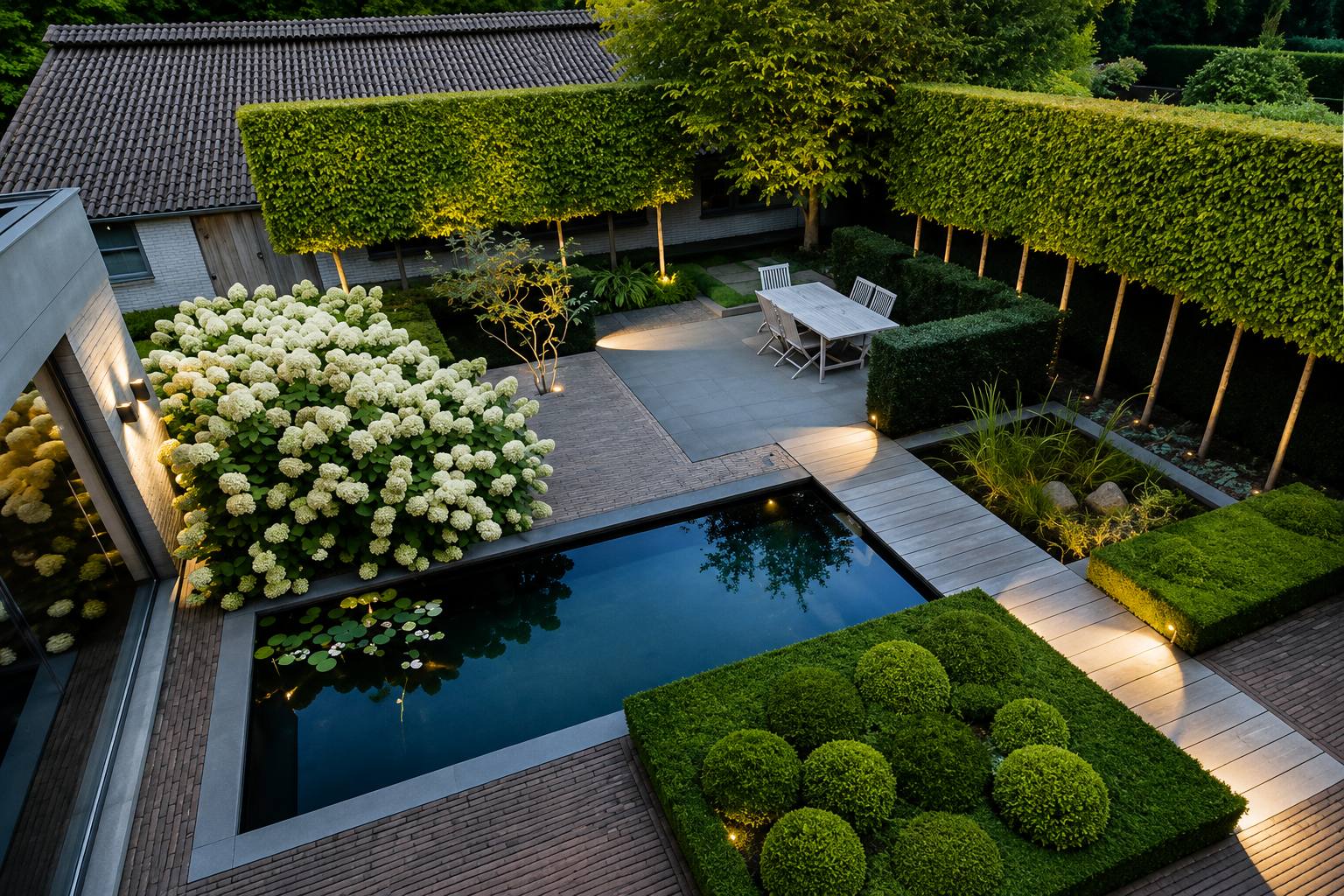
The modern real estate market is undergoing a fundamental transformation. While competitive advantage once relied primarily on architecture, prestigious location, and technical specifications, these factors alone are no longer enough to generate strong and sustainable demand. Buyers have become significantly more sophisticated and are no longer choosing simply by square footage – they are choosing the quality of life they will experience within a space. As a result, the focus of development is gradually shifting from designing buildings to designing life scenarios. Martin Palma, founder and CEO of Ecolandscape Studio, sees this as one of the key evolutions of the modern industry – successful projects no longer begin with façades or floor plans; they begin with understanding how people will feel, interact with, and live within a space every day. This shift is fundamentally changing the philosophy of real estate development.
Life scenarios involve far more than functional space distribution. They include daily movement routes, the rhythm of interaction with the environment, the sense of privacy, the comfort of rest, opportunities for social connection, and the overall quality of emotional experience. People evaluate a property not only through rational parameters but also through how effectively the environment supports their lifestyle. How convenient is it to step outside for a walk? Are there quiet green spaces for recovery and relaxation? How well are transitions between private and public zones organized? All of these factors shape the true value of a project. Specialists at Ecolandscape Studio believe that the quality of everyday experience has become a new benchmark of successful development because it directly influences resident satisfaction and long-term asset liquidity.
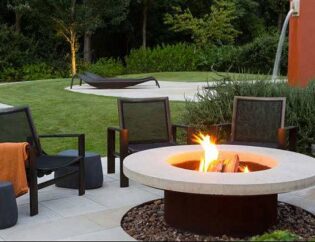
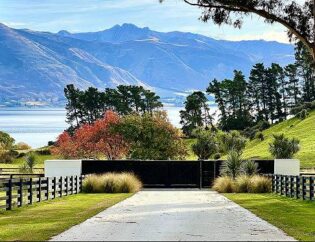
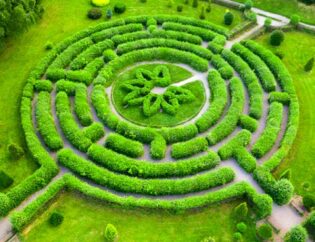
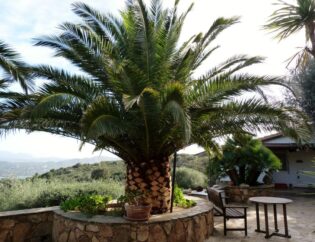
Architecture without a thoughtfully designed environment is increasingly perceived as an incomplete product. Even visually impressive buildings can lose significant value if the surrounding space fails to support a high-quality lifestyle. This is where landscape architecture becomes essential. It creates the connection between the building and the individual, transforming a static asset into a living ecosystem of interactions. Landscaping, spatial composition, movement routes, lighting scenarios, water features, and relaxation areas work together to create an environment that shapes behavior, emotions, and perceived value. At Ecolandscape Studio, we analyze modern developments and consistently observe that the most successful projects are designed not around the building itself, but around the experience of living within the broader environment.
This transformation is especially evident in premium and luxury segments. High-end clients no longer purchase architectural aesthetics or prestigious addresses alone. They invest in quality of life, comfort, and emotional environments that align with their expectations. A space must do more than impress visually – it must function intuitively and naturally. Private courtyards, wellness areas, quiet gardens, social interaction zones, and thoughtful spatial zoning are no longer optional advantages but essential elements of premium development. Specialists at Ecolandscape Studio note that it is through these life scenarios that perceived luxury is created – a type of premium value felt far beyond visible expense.
From a commercial perspective, life scenarios have become a powerful driver of market success. Projects that create strong lifestyle experiences demonstrate faster sales velocity, stronger buyer loyalty, and more resilient capitalization. This happens because emotionally compelling environments increase willingness to pay and make assets less sensitive to market fluctuations. At Ecolandscape Studio, we believe that strategic environmental design should begin long before the final architectural visualization is complete. The earlier a developer starts thinking about life scenarios, the stronger the final product becomes.
The real estate market is moving steadily toward human-centered development, where architecture is no longer the sole core of a project. Today, truly successful development begins with understanding people – their needs, habits, and emotions. At Ecolandscape Studio, we see life scenarios as the foundation of the future of development, where spaces are designed not around buildings, but around the people for whom those spaces are created. This is the approach that produces projects that do more than look attractive – they become truly desirable, valuable, and highly demanded in the market.