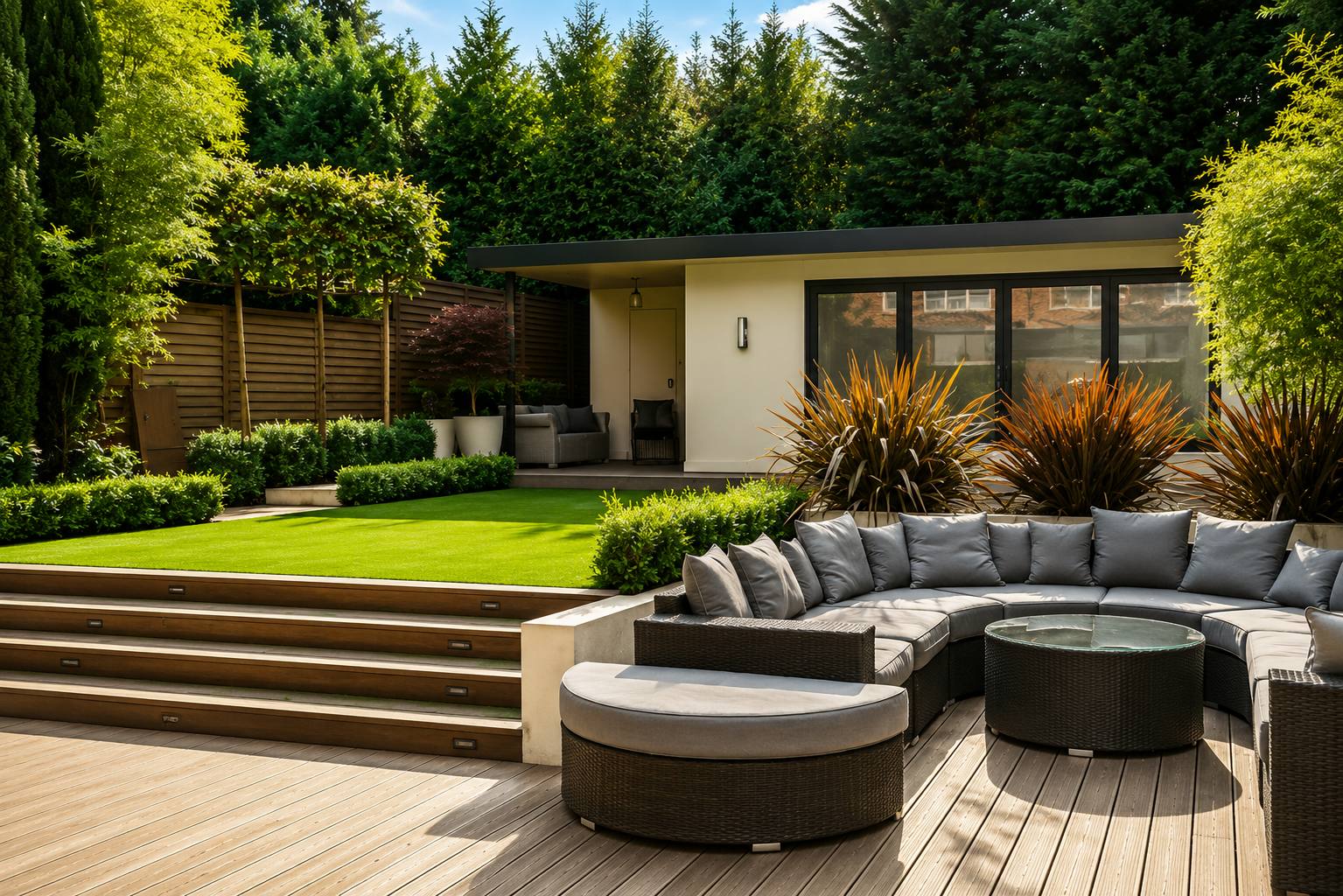
The real estate market is undergoing a profound transformation, where traditional project evaluation criteria are gradually no longer the only factors influencing decision-making. Location, architecture, square footage, and infrastructure remain important, yet in a highly competitive market, these alone are no longer enough to guarantee strong demand and long-term value. Emotional perception of space is becoming increasingly important – the feelings a project creates from the very first seconds of interaction. Martin Palma, founder and CEO of Ecolandscape Studio, notes that a property’s ability to create an emotional connection with its users is becoming one of the most powerful competitive advantages in modern development. The projects of the future will succeed not only because of their physical characteristics, but because of how deeply they resonate with people.
Emotions play a much greater role in purchasing decisions than many assume. Even when dealing with expensive assets or investment-driven acquisitions, people rarely make decisions based on rational calculations alone. The subconscious evaluates an environment instantly, forming impressions of trust, safety, comfort, and desired lifestyle. This is exactly why two properties with similar specifications can generate completely different reactions from buyers. One may feel like just another option on the market, while the other immediately feels like a place where someone can envision their future. Specialists at Ecolandscape Studio analyze buyer behavior and observe that strong emotional engagement significantly shortens the path from first contact with a property to the final purchasing decision.
The emotional value of space is shaped by multiple factors, many of which operate on a subconscious level. Light, proportions, movement rhythm, the balance between open and private zones, the interaction between architecture and nature, the level of visual noise, and the overall quality of the environment all influence how a person feels within a space. These elements create an experience that cannot be measured solely by square meters or material costs. At Ecolandscape Studio, we analyze modern developments and see that the most desirable projects do not simply create visually attractive environments – they create complete emotional ecosystems where people feel comfortable both physically and psychologically.
The role of emotion becomes especially evident in premium and luxury segments, where buyers invest not only in real estate but also in a specific lifestyle. In such projects, environmental quality becomes a defining factor – the feeling of privacy, inner calm, comfort, and belonging to a certain level of living. A space should not merely look expensive; it must create a deep sense of quality and harmony. Specialists at Ecolandscape Studio note that landscape architecture has become one of the most powerful tools for shaping emotional experience because it directly influences how people interact with their surroundings every day.
From a commercial perspective, the ability to evoke emotions has become a powerful market driver. Projects that create strong emotional connections demonstrate faster sales velocity, stronger brand loyalty, and more resilient capitalization. This happens because emotionally powerful spaces become harder to compare purely on price – they become unique in the client’s perception. At Ecolandscape Studio, we believe that creating emotional value should become a strategic part of development from the earliest stages of design. That is when space begins to function as a full-scale tool for increasing market attractiveness.
The future of real estate is moving increasingly toward human-centered and experience-driven development, where the key asset is not only the physical property but also the quality of emotions it creates. Today, a successful project is one that knows how to evoke feelings, build trust, and create emotional attachment. At Ecolandscape Studio, we see this as a fundamental shift in the market, where the winners will be those projects capable not only of making a strong visual impression, but of creating a deep human response that transforms space into a desired part of life.