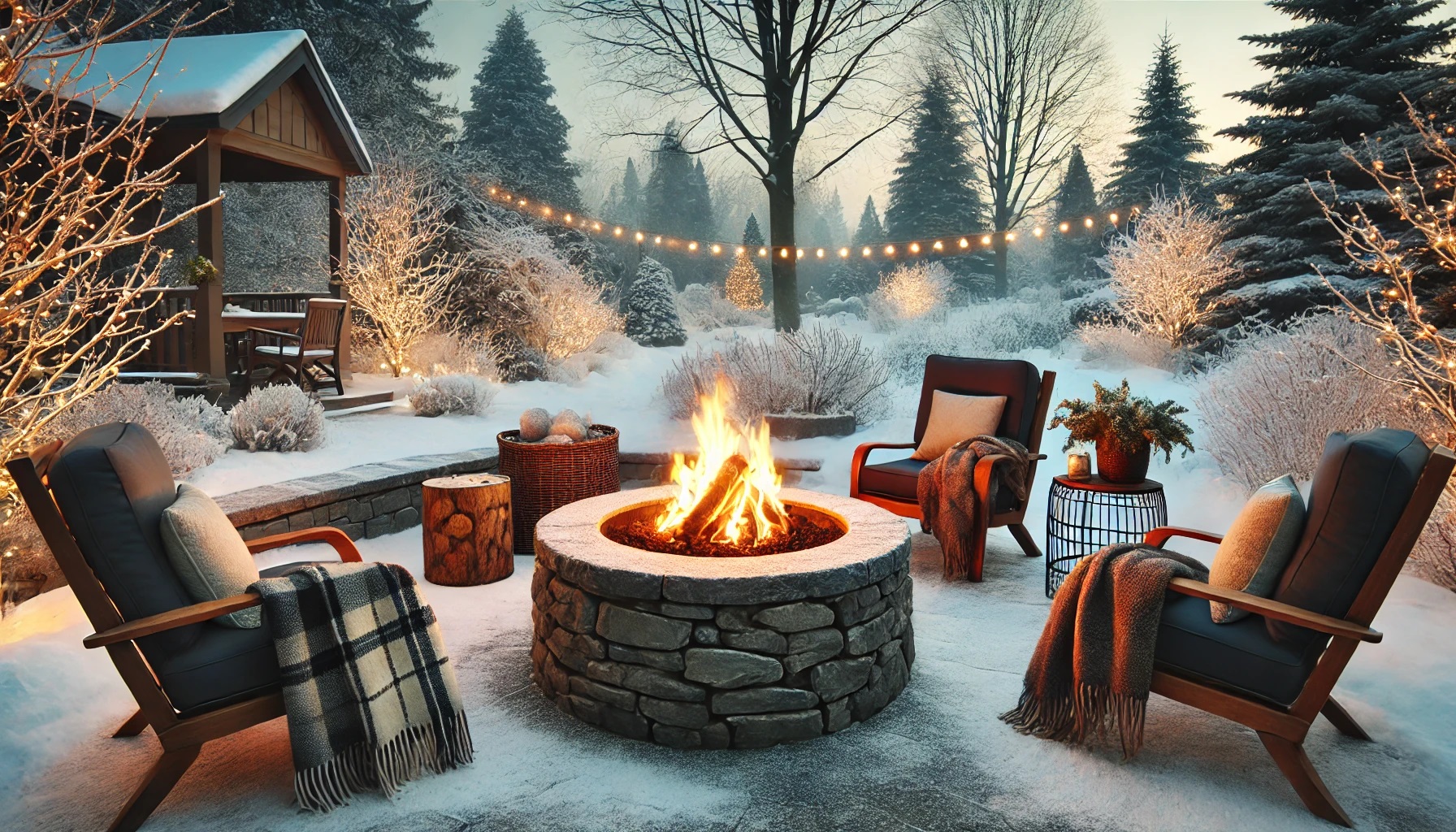
A winter landscape is not just about empty, bleak areas covered in snow. It’s an opportunity to create a space that will bring joy in both the cold and warm months. In this article, we at Ecolandscape Studio share useful tips on how to make your garden beautiful and functional during the colder season, as well as how to organize a space for year-round outdoor relaxation.
Why Think About Winter Landscaping?
Many people believe that the garden «sleeps» in winter, and thus it doesn’t need to be maintained in an attractive state. However, this is far from true! A winter garden can be just as beautiful as a summer one if designed properly. The right use of seasonal plants, materials, and landscape design elements can help create a space that is both beautiful and functional in every season.
According to Martin Palma, founder and CEO of Ecolandscape Studio, «Proper winter landscaping is not only about aesthetics but also about comfort. We always strive to create gardens that bring joy year-round.»
How to Make Your Garden Cozy and Functional in Winter
One of the easiest ways to make your garden cozy in winter is to create resting zones that provide warmth. Investing in elements like gas fire pits, infrared heaters, or tower heaters will not only keep you warm but also add atmosphere. It’s important to note that if you have a small garden, infrared heaters that attach to overhead structures (such as pergolas) can save space.
Martin Palma emphasizes, «For us, it’s important that our landscape design not only creates a beautiful space but also ensures comfort at all times of the year. Incorporating heat sources into the winter garden helps create relaxation zones that can be used regardless of the temperature outside.»
Using Sunlight for Garden Heating
Light and warmth are the most important aspects of a winter landscape. Deciduous trees, such as maples, oaks, or cherries, in winter, when they shed their leaves, allow sunlight to penetrate, warming the surrounding space. This also benefits your home, as these trees can help retain warmth indoors during winter and provide cooling shade during summer. This is especially important for those who want to save on heating by using natural resources.
At Ecolandscape Studio, we recommend planting trees in such a way that they don’t block sunlight in the colder months. Deciduous trees in winter will not only help warm the garden but also reduce heating energy consumption in your home.
Protection from Cold Winds
In regions with cold winters, wind protection becomes an essential aspect of landscape design. Windbreaks made of evergreen plants, such as thuja, junipers, and cypress trees, help create a barrier against northern winds, providing comfort and protecting plants and people from the cold. These plants can be used to create solid hedges or combined with lower-growing plants to add structure to your garden.
As Martin Palma mentions, «Winter protection of the garden from cold winds is not just about adding greenery. It is a key detail that ensures comfort and helps retain heat around your home. Creating windbreaks is a must for winter landscaping.»
Choosing the Right Materials to Retain Heat
Winter landscapes need materials that help retain heat. Concrete, stone, and paving tiles are excellent materials for covering paths and patios, as they absorb solar heat during the day and slowly release it at night. However, if these materials are in the shade, they may cool down, turning your garden into a cold space. To prevent this, it’s worth using thick outdoor rugs, which not only add extra coziness but also protect against the cold.
Using Lighting to Create a Winter Atmosphere
During the winter, it’s important to add light to the garden to extend the day and create a cozy atmosphere. LED garlands and landscape lighting help highlight the beautiful elements of the garden and add a warm ambiance. However, it’s important to be moderate with the number of lights used to avoid overcrowding the space and disturbing the natural balance. Only use lighting when necessary to avoid disturbing local wildlife and insects.
Green Accent: Evergreen Plants
To ensure the garden doesn’t look empty in winter, it’s important to use evergreen plants. They stay green even during the coldest months, creating a beautiful backdrop in the winter landscape. Boxwoods, blue spruces, verbena, and junipers will look beautiful and serve their purpose all year round. They can also be used to create windbreaks, decorative flower beds, and various accents.
Martin Palma advises, «It’s important to remember that evergreen plants are not only about aesthetics but also functionality. They not only decorate the garden but also create barriers that protect from cold winds and help retain warmth.»
Flowering Plants for the Winter Garden
Don’t forget about flowers that can bloom in winter or early spring. For example, plants like hellebores, camellias, crocuses, and daffodils are perfect for adding bright colors to the winter garden. Flowering trees, such as winter-flowering cherries or cercis, can also become beautiful accents. It’s important to plan the placement of such plants so that they become bright highlights in your garden.
Martin Palma, founder of Ecolandscape Studio, notes, «Winter landscaping requires careful consideration, but the result is worth it. We take pride in offering our clients unique solutions that make their properties beautiful and cozy throughout the year.»