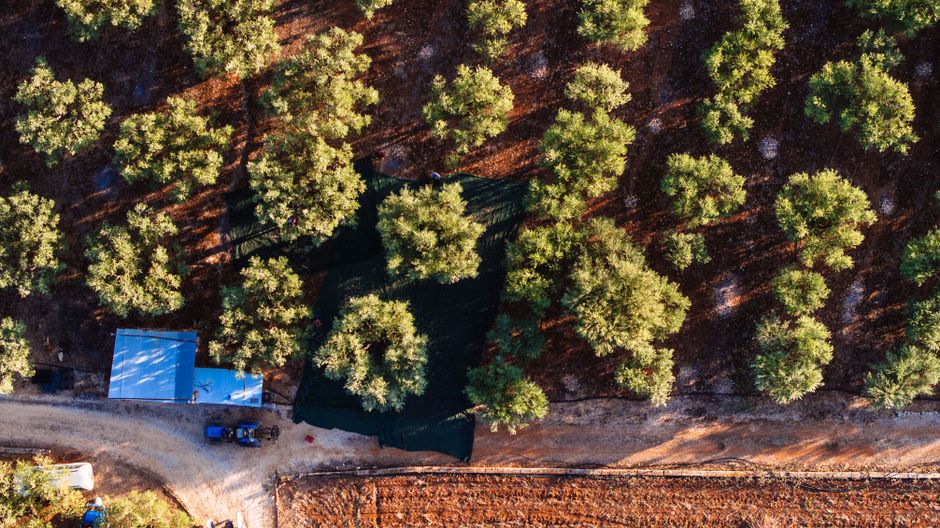
Bahrain is a small island nation with a big agricultural challenge. With limited freshwater, extreme heat, and sandy soils that drain quickly, the country has been exploring a practical combination of two proven approaches — xeriscape garden design and agroforestry — to make food production more resilient. The results offer genuinely useful lessons for anyone thinking about drought tolerant garden design, water wise landscaping, or simply trying to grow more with less.
The core idea behind this initiative is straightforward. Xeriscape principles reduce water consumption by selecting plants that thrive in dry conditions and organizing the landscape to minimize waste. Agroforestry adds a structural layer by integrating trees with crops or other plants, creating shade, improving soil health, and reducing evaporation. When these two approaches work together, they create a system that is more stable than either one alone.
In Bahrain’s context, trees planted alongside drought tolerant crops do several things at once. They reduce wind speed across the planting area, which lowers moisture loss from both soil and plant surfaces. Their root systems help break up compacted ground and improve water infiltration. Fallen leaves add organic matter over time, gradually building a more fertile and moisture-retentive soil layer. The shade they provide also lowers ground temperature, which is critical in a climate where surface heat can damage shallow-rooted plants.
This is not a new concept in global agriculture, but applying it through a xeriscape lens — choosing the right species, spacing them for airflow and light, and designing the layout to work with natural water movement — makes the system far more efficient. The goal is a landscape that functions well with minimal irrigation and almost no chemical inputs.
Martin Palma, founder and CEO of Ecolandscape Studio, has observed similar dynamics in residential landscape design projects in dry climates. When clients ask for a low maintenance garden design that still feels full and productive, the answer is rarely a single plant choice. It is about layering — placing taller, drought-adapted trees or large shrubs where they can shelter smaller plants, reduce reflected heat from hard surfaces, and create a microclimate that makes the whole yard more livable. That structural thinking is exactly what Bahrain’s xeriscape agroforestry model demonstrates at a larger scale.
The principles behind Bahrain’s approach translate well to residential landscape design, even in less extreme climates. A native plant garden design that includes a canopy layer, a mid-level shrub layer, and a ground cover layer mimics the same logic. Each layer supports the others. The canopy reduces evaporation and wind. The shrubs stabilize the soil and provide habitat. The ground cover holds moisture and prevents erosion.
For anyone working on backyard landscaping ideas or front yard landscaping ideas in a dry or semi-arid region, this layered planting design approach is worth building into the plan from the start. Choosing species that are native or well-adapted to local conditions reduces the need for supplemental irrigation. Grouping plants with similar water needs — a core xeriscape garden design principle — makes irrigation more targeted and less wasteful.
Rain garden design can also play a role here. Capturing and directing stormwater toward planted areas rather than letting it run off hard surfaces is a simple way to make the most of every drop that falls. Combined with permeable paving, mulched beds, and thoughtful planting design, a residential property can function much closer to a natural water cycle than a conventional lawn-based yard.
Pollinator garden design fits naturally into this framework as well. Many drought tolerant and native species are excellent pollinator plants, so designing for water efficiency and designing for biodiversity often point in the same direction.
The broader takeaway from Bahrain’s xeriscape agroforestry work is that climate-resilient landscapes are not about sacrifice or austerity. They are about designing smarter. A well-planned outdoor living space design that uses the right plants in the right places, manages water carefully, and builds soil health over time will look better, cost less to maintain, and hold up far more reliably through heat, drought, or shifting rainfall patterns.
For homeowners thinking about yard landscaping design, the practical steps are manageable. Start by reducing lawn area in favor of mulched planting beds with drought tolerant species. Add at least one canopy tree to provide shade and reduce surface temperatures. Group plants by water need. Use garden edging ideas to define beds clearly and keep mulch in place. Consider landscape lighting ideas that highlight the structure of the planting rather than requiring constant maintenance.
These are not dramatic changes, but they add up to a landscape that works with its environment rather than against it — which is exactly the principle that Bahrain’s agricultural experiment is proving at scale.









