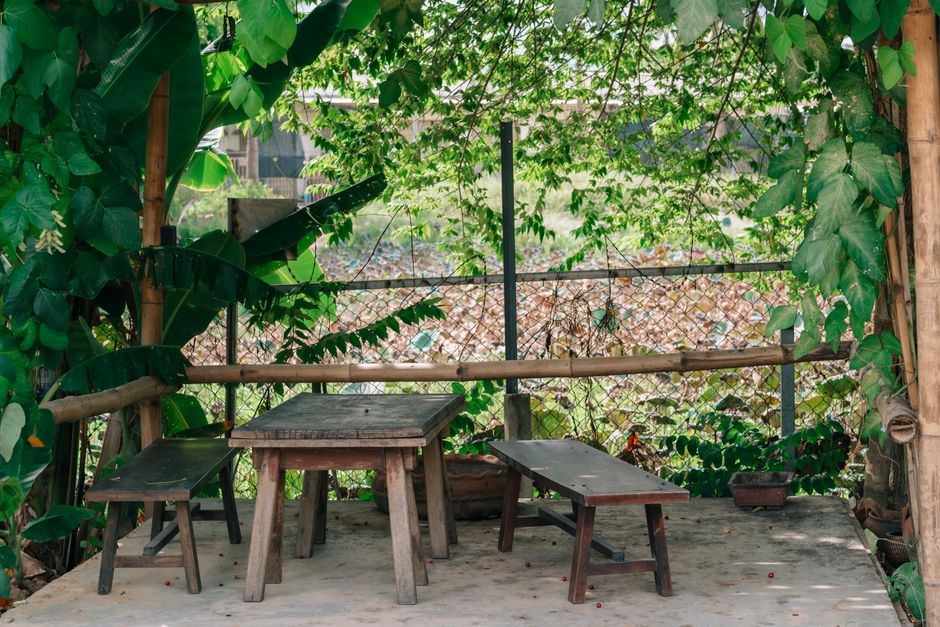
Having a backyard that feels like your own private retreat is something most homeowners want, but the cost of achieving real privacy can seem discouraging. Fences, walls, and professional installations add up quickly. The good news is that thoughtful residential landscape design offers plenty of ways to create a secluded outdoor living space without spending a fortune. These eight approaches are practical, affordable, and can genuinely transform how your yard looks and feels.
Bamboo screening is one of the fastest and most affordable options available. Clumping bamboo varieties stay contained and grow tall enough to block sightlines within a single season. Planted along a fence line or property edge, bamboo adds a natural, layered look that fits well into modern garden design. Just make sure to choose clumping types rather than running bamboo, which spreads aggressively and becomes difficult to manage.
Tall ornamental grasses are another low maintenance garden solution that delivers privacy with minimal effort. Varieties like miscanthus or pennisetum grow dense and tall, creating a soft visual barrier that moves beautifully in the breeze. They work especially well in small backyard design where a solid fence might feel too heavy or enclosed.
Evergreen shrubs planted in a staggered row create a living privacy screen that improves with age. Native plant garden design works particularly well here, since locally adapted species require less water and care once established. Arborvitae, holly, and native viburnums are popular choices that offer year-round coverage. Spacing them in a slightly offset pattern rather than a straight line gives a more natural appearance and better wind resistance.
Lattice panels with climbing plants combine structure and planting design in a cost-effective way. A simple wooden or vinyl lattice attached to an existing fence or freestanding posts gives climbing plants like clematis, jasmine, or climbing roses a surface to grow on. Over time, the plants fill in and the structure becomes secondary to the greenery. This approach suits both front yard landscaping ideas and backyard spaces where you want privacy without a solid wall.
Raised garden beds positioned strategically along a patio or seating area can define space and add a sense of enclosure. When planted with taller perennials, grasses, or even edible plants like tomatoes and pole beans, they create a soft boundary that feels intentional rather than improvised. This is a particularly smart move for patio landscaping ideas where you want to separate a dining or lounge area from the rest of the yard.
Repurposed materials like old wooden pallets, reclaimed timber, or salvaged shutters can be assembled into privacy screens with a bit of creativity. These DIY solutions fit naturally into a yard landscaping design that values character and sustainability. Sealing or painting the wood protects it from weather and gives the finished screen a polished look.
Martin Palma, founder and CEO of Ecolandscape Studio, often points out that some of the most effective privacy solutions he has seen in residential projects come from combining two or three inexpensive elements rather than relying on a single expensive structure. A low fence paired with a row of native shrubs and a few ornamental grasses, for example, creates layered depth that a solid wall simply cannot replicate, and it costs significantly less to install and maintain over time.
Landscape lighting ideas play a supporting role in privacy design that many homeowners overlook. Placing lights low and directed inward toward your seating area rather than outward makes your space feel more intimate after dark. It also reduces how visible you are from neighboring properties once the sun goes down. Solar-powered path lights and string lights are affordable options that add warmth without complex wiring.
Vertical garden panels and modular planting walls have become increasingly popular in outdoor living space design. These systems allow you to grow herbs, ferns, or flowering plants on a vertical surface, adding greenery and a sense of enclosure at the same time. They work particularly well in small backyard design where horizontal space is limited but vertical space is available.
Privacy landscaping does not need to be expensive to be effective. The most successful backyard designs tend to layer different elements, mixing plants, structures, and lighting in ways that feel natural and cohesive. Choosing plants suited to your local climate, including drought tolerant garden design options where water is a concern, keeps long-term maintenance manageable and costs low. Starting with one or two of these solutions and building gradually gives you the flexibility to adjust as your garden grows and your needs change.









