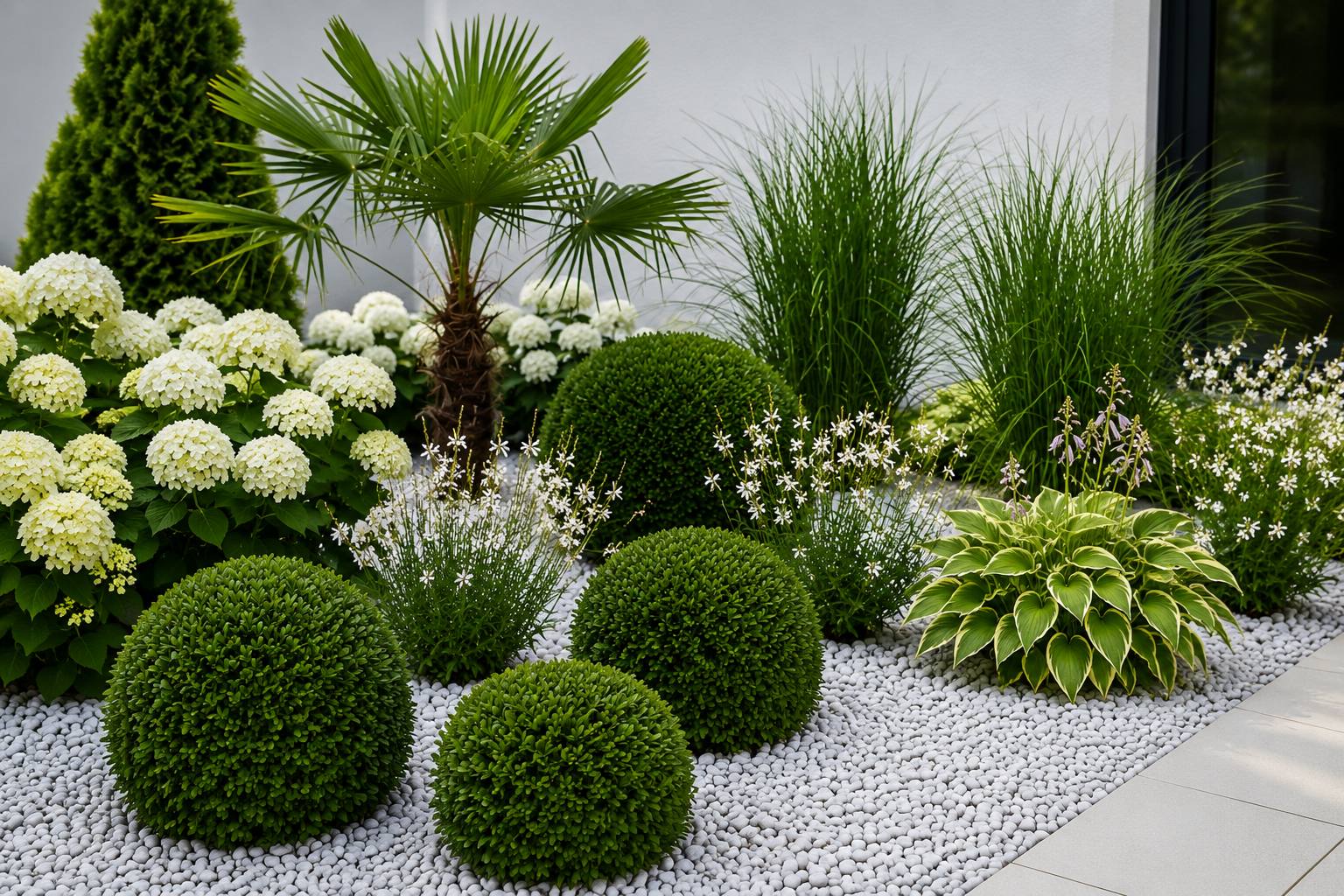
Planting becomes a true architectural instrument only when vegetation is positioned not as a collection of decorative elements but as an integrated spatial system. Plant height, density, silhouette, seasonal transformation, and the relationship between individual species define circulation patterns, visual depth, levels of privacy, and the emotional character of the environment. Martin Palma, founder and CEO of Ecolandscape Studio, analyzes planting composition as a powerful method of shaping the behavior of a landscape because vegetation can simultaneously establish atmosphere, guide movement, influence the perceived scale of a site, and support the practical functions of the entire property.
The professional design process begins by identifying the purpose of every part of the landscape. Entrance areas require a clear spatial structure and carefully organized visual guidance toward the main destination. Outdoor living spaces benefit from privacy, soft shade, and a calm surrounding atmosphere. Public areas must remain open, visually accessible, and capable of accommodating intensive daily use. Specialists at Ecolandscape Studio analyze planting composition together with functional zoning because the arrangement of vegetation should strengthen the intended purpose of every space rather than interfere with the way people naturally use it.
The next stage focuses on establishing a clear spatial hierarchy. Large trees define the primary scale of the landscape while forming the structural framework of the composition. Shrubs create boundaries, screen technical areas, and regulate the degree of privacy throughout the property. Perennials and ground cover species introduce finer detail, seasonal variation, and smooth transitions between architecture and the surrounding natural environment. When these different planting layers are organized correctly, the landscape avoids visual disorder while maintaining a cohesive identity even when numerous plant species are incorporated into the design.
Careful management of visual perspectives represents another essential element of professional planting composition. Vegetation has the ability to frame desirable views, emphasize architectural features, screen unattractive surroundings, and create a sequence of carefully planned visual experiences. When planting is arranged without considering human movement, valuable views may become obstructed and the landscape gradually loses its sense of depth. Professional composition follows a different principle. It anticipates what visitors will experience upon entering the property, while moving through circulation routes, from seating areas, and from the interior of adjacent buildings. As a result, the landscape gradually reveals itself, creating a richer and more engaging spatial experience.
Particular attention must also be given to achieving the appropriate balance between planted areas and open space. Excessive vegetation may overwhelm the property, reduce natural light, and complicate future maintenance. Planting that is too sparse often fails to establish sufficient spatial structure, leaving the landscape visually incomplete. At Ecolandscape Studio, we believe that appropriate planting density should never be determined by the desire to fill every available space. Instead, it should respond to the proportions of the site, expected plant growth, architectural context, and future patterns of use. This methodology allows the composition to preserve its visual quality long after the vegetation reaches full maturity.
Seasonal transformation also becomes an important part of the overall spatial strategy. Spring flowering, dense summer foliage, autumn color, and the sculptural structure of winter branches should complement one another while maintaining the landscape’s identity throughout the entire year. A composition designed around only one season inevitably loses much of its emotional value over time. A carefully balanced combination of evergreen, deciduous, and flowering species provides both a stable architectural framework and continuous seasonal variation, allowing the atmosphere of the landscape to evolve naturally without compromising its visual integrity.
Long term performance depends equally on selecting vegetation that is genuinely suited to the conditions of the site. Sunlight exposure, soil characteristics, moisture levels, wind conditions, irrigation availability, and expected intensity of use all directly influence the health and longevity of planting. Species selected solely for their visual appearance often require continuous intervention and may eventually disrupt the intended composition. Professional planting design therefore considers not only the initial appearance of vegetation but also future growth patterns, mature canopy size, root system development, and appropriate distances from buildings, paving, and engineering infrastructure.
Within a completed landscape, visitors rarely evaluate individual planting decisions consciously, yet they immediately experience the overall effect. The environment feels calm, logical, protected, and naturally connected to the surrounding architecture. Vegetation guides orientation, establishes appropriate levels of privacy, moderates environmental conditions, and shapes the emotional character of every functional space. It is the spatial composition of planting that transforms vegetation from a decorative layer into an essential architectural element capable of supporting everyday use while creating a harmonious atmosphere that continues to mature and improve for many years.









