A well-edged lawn can completely change how a yard looks. That crisp separation between grass and a garden bed, pathway, or driveway is one of those small details that makes residential landscape design feel intentional and polished. One of the most practical tools for achieving this look at home is a string trimmer, commonly called a weed eater. When used correctly, it delivers results that rival professional lawn care without requiring specialized equipment.
The key is understanding that a weed eater is not just for trimming overgrown grass along fences. Rotated vertically, it becomes a surprisingly effective edging tool that can define borders, clean up planting beds, and sharpen the lines of your front yard landscaping or backyard design.
Before you begin edging, a few preparation steps make a real difference. Walk the area you plan to edge and remove any rocks, sticks, or debris that could be thrown by the spinning line. This protects both you and nearby plants or surfaces.
Check the trimmer line. A worn or too-short line will not cut cleanly and will leave ragged edges instead of sharp ones. Replace or extend the line if needed. Most string trimmers allow you to tap the head on the ground to release more line, but check your model’s instructions.
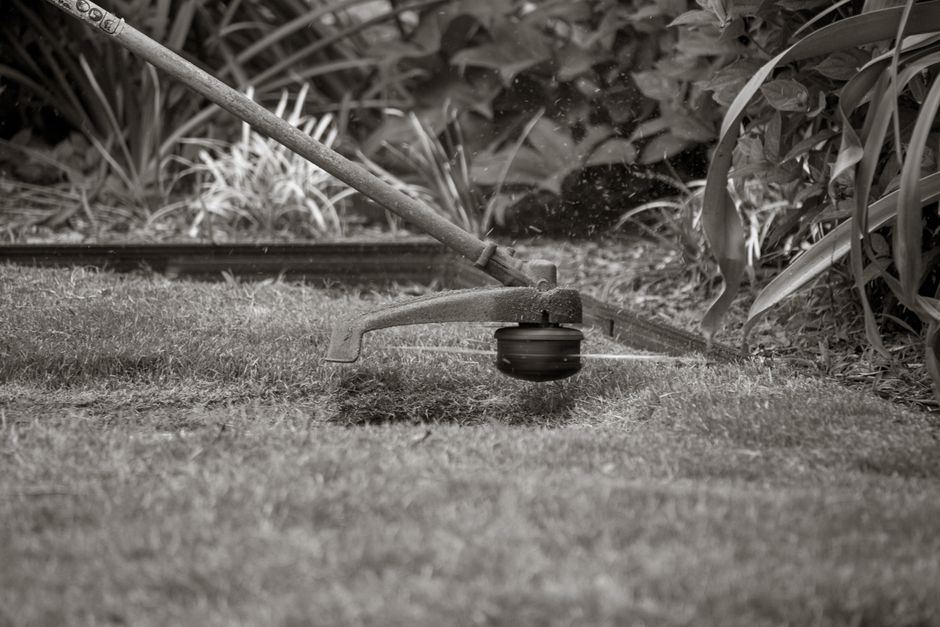
For edging, you rotate the trimmer head so the line spins in a vertical plane rather than horizontal. This is the core technique. The cutting line should face the grass side, not the garden bed or pathway side, so clippings are thrown away from your planting areas. Hold the trimmer steady and move at a slow, consistent pace. Rushing creates uneven lines that undermine the whole effect.
When working along curved garden edging or around planting beds, follow the natural line of the border rather than trying to cut a new one. If you want to redefine a border that has grown over, do it gradually across a few sessions rather than cutting back too aggressively at once.
Along driveways and sidewalks, the goal is a clean vertical cut that separates turf from hard surfaces. Keep the trimmer line just at the edge of the pavement, not over it. Cutting over concrete or asphalt wears down the line quickly and can send debris flying at speed.
For garden beds and planting design areas, edging with a weed eater works best when the bed already has a defined shape. If the grass has crept significantly into the bed, you may want to use a manual edger or spade first to reestablish the line, then maintain it with the trimmer going forward. This approach keeps your low maintenance garden design looking sharp without constant heavy intervention.
Martin Palma, founder and CEO of Ecolandscape Studio, has worked on residential landscape design projects where consistent edging made a measurable difference in how the overall yard was perceived. From his experience, homeowners often focus on plants and hardscape materials while underestimating how much clean edges contribute to the finished look. A yard with well-maintained borders reads as designed and cared for, even when the planting itself is simple.
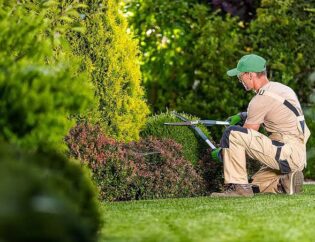
For small backyard design or tight spaces, a weed eater offers more maneuverability than a wheeled edger. You can work around raised beds, curved borders, and irregular shapes with more control. The technique stays the same: vertical line, steady pace, consistent angle.
Safety deserves attention throughout the process. Always wear eye protection and closed-toe shoes. Keep children and pets away from the work area. Be aware of what is behind the cutting line, since debris can travel several feet. If you are edging near a native plant garden design or pollinator garden, take extra care not to disturb low-growing plants or ground-level habitat features.
After edging, use a leaf blower or a broom to clear the cut grass from pathways and beds. This finishing step is what separates a tidy result from a half-done one. It also prevents cut material from smothering low plants or creating a messy appearance along your outdoor living space.
Regular edging, done every two to three weeks during the growing season, keeps the work light and the results consistent. Letting edges grow out for too long means more effort each time and a less defined look overall. If you are working toward a low maintenance garden design, building edging into your regular yard routine actually reduces the total time spent on upkeep.
Clean edges are one of the simplest upgrades you can make to your yard landscaping design. They require no new plants, no major investment, and no redesign. Just a steady hand, the right technique, and a tool most homeowners already own.