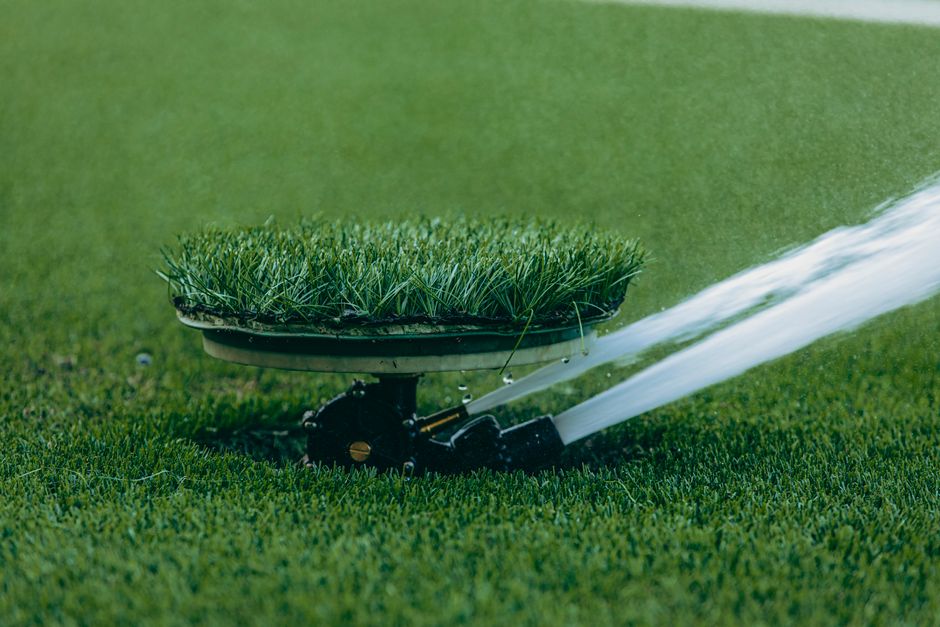
Watering a yard sounds simple until you realize how much water most residential landscapes actually waste. Sprinkler systems that run on fixed schedules, regardless of weather or soil conditions, are one of the biggest sources of water overuse in home garden design. The good news is that smart irrigation technology has made it genuinely easy to water smarter, not harder, and the results show up both in your garden’s health and on your water bill.
A water-wise workshop hosted in Napa Valley brought together homeowners and landscape professionals to talk through the practical side of smart sprinkler irrigation. The conversation covered everything from how these systems work to what kind of savings are realistic for a typical residential property. The takeaways are relevant for anyone thinking about yard landscaping design, whether you’re managing a drought tolerant garden design, a native plant garden, or a more traditional lawn setup.
A smart irrigation controller replaces a standard timer with a device that adjusts watering schedules based on real-time data. That data typically comes from local weather stations, soil moisture sensors, or both. Instead of running every Tuesday and Friday no matter what, the system checks whether rain is expected, how hot and dry the air has been, and how much moisture is already in the soil. If conditions don’t call for watering, the system skips the cycle automatically.
This kind of precision matters a lot in residential landscape design. Overwatering is one of the most common problems in home gardens, and it doesn’t just waste water. It encourages shallow root growth, promotes fungal disease, and can actually weaken plants that would otherwise thrive with less frequent but deeper watering. Smart controllers help shift irrigation toward the deeper, less frequent model that most planting designs actually benefit from.
Many systems also allow zone-by-zone customization, which means your lawn, your drought tolerant beds, and your vegetable garden can all receive different amounts of water based on their actual needs. This level of control is especially useful in yards with varied microclimates or mixed planting design, where a one-size-fits-all schedule simply doesn’t work.
Martin Palma, founder and CEO of Ecolandscape Studio, has seen this play out across dozens of residential projects. In his experience, homeowners who upgrade to smart irrigation often notice the biggest difference not in their water bills right away, but in how much better their plants look within the first season. When irrigation matches actual plant needs rather than a fixed calendar, root systems develop more naturally, and the landscape as a whole becomes more resilient, which matters especially in water-wise landscaping and xeriscape garden design where every drop counts.
Switching to a smart controller doesn’t require replacing your entire sprinkler system. Most smart controllers are designed to connect to existing wiring and valve setups, which keeps installation costs reasonable. The main investment is the controller itself, and many utility providers offer rebates for homeowners who make the switch, so it’s worth checking what’s available in your area before purchasing.
Before installing any new technology, it helps to audit your current system. Walk through each zone while it runs and look for heads that are spraying pavement, overlapping too much, or not reaching their full coverage area. Fixing these mechanical issues first means your smart controller will be working with a system that’s already efficient, rather than compensating for waste that could be eliminated at the source.
Soil moisture sensors are a worthwhile addition if your budget allows. These small devices sit in the ground and send data directly to your controller, giving it accurate information about what’s actually happening below the surface. In a low maintenance garden design or a rain garden design, where soil conditions can vary significantly, sensors take the guesswork out of scheduling entirely.
Seasonal adjustments are another area where smart systems outperform traditional timers. As temperatures shift through spring, summer, and fall, water needs change significantly. A smart controller tracks these changes automatically, while a standard timer requires manual reprogramming that most homeowners simply don’t get around to doing.
For anyone planning a new backyard landscaping project or redesigning a front yard, integrating smart irrigation from the start is far easier than retrofitting later. It also pairs naturally with other water-wise landscaping choices like permeable paving, mulched planting beds, and drought tolerant plant selections that reduce overall irrigation demand.
Getting irrigation right is one of the most practical things you can do for your outdoor living space. It protects your plants, reduces your environmental footprint, and makes the day-to-day management of your yard significantly easier. Whether your garden is large or small, traditional or modern, the principle is the same: water when plants need it, not when the calendar says so.