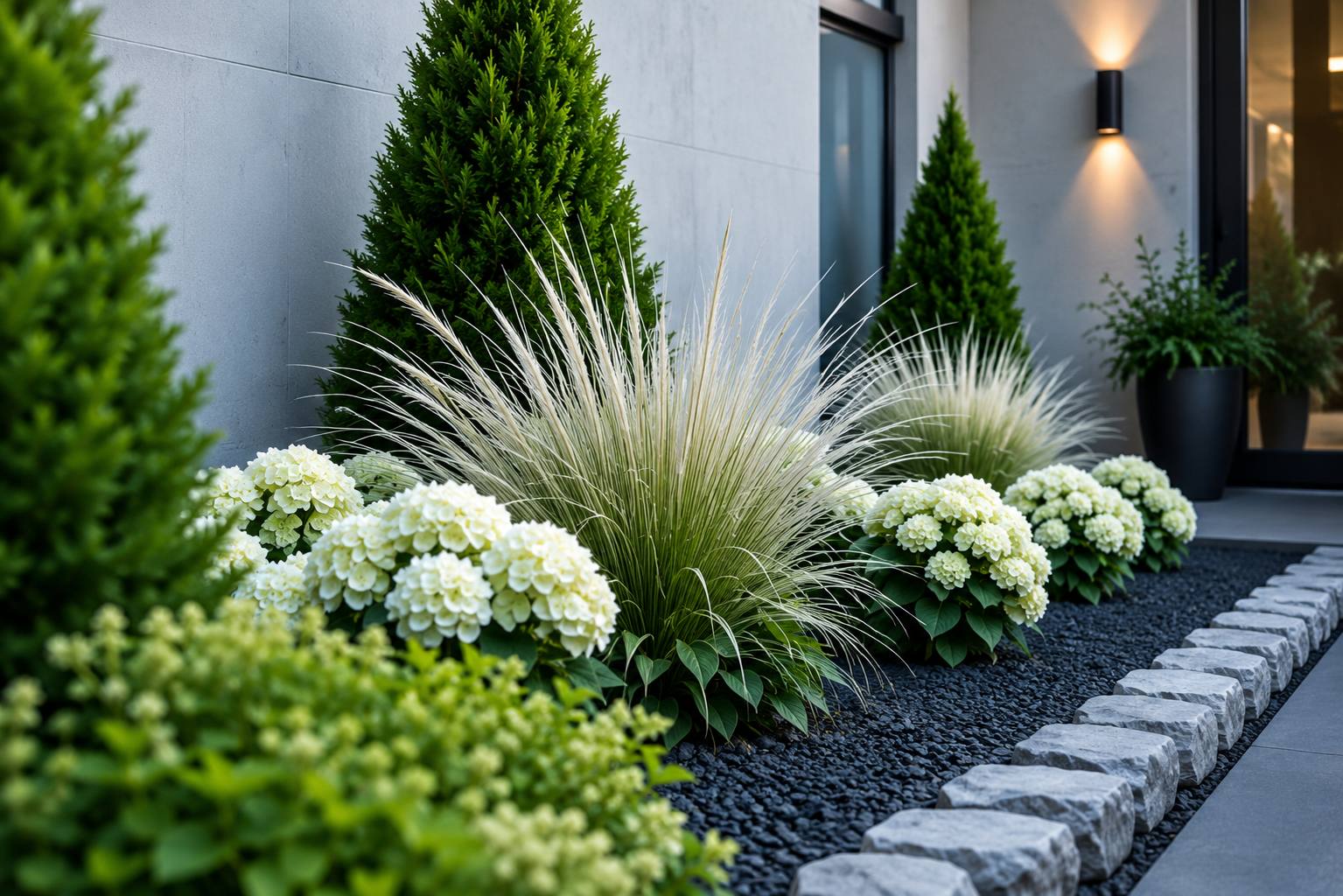
Creating a high quality landscape begins not with selecting plants or decorative features but with developing a unified system in which every element serves a clear purpose and supports the overall architectural vision. Only when every component works together can a landscape feel natural, provide lasting comfort, and remain relevant despite changing conditions and years of use. Martin Palma, founder and CEO of Ecolandscape Studio, considers comprehensive landscape organization to be the foundation of professional design because only a consistent approach to every component can transform individual decisions into a cohesive environment with enduring value.
The development of such a system starts with a detailed understanding of the site and the relationship between all of its characteristics. Topography, sunlight exposure, soil composition, existing vegetation, engineering infrastructure, surrounding architecture, and future circulation patterns are evaluated not as separate parameters but as interconnected parts of a single design process. Only after this comprehensive analysis can the design team determine the optimal arrangement of functional zones, establish the right balance between open and enclosed spaces, position visual focal points, and create an efficient spatial structure. Specialists at Ecolandscape Studio analyze these relationships before the design process begins because they ultimately determine the quality of every decision that follows.
The next stage focuses on integrating functional and aesthetic objectives into one coherent solution. A visually attractive landscape cannot exist independently from the way people actually use it. The environment must support movement, recreation, privacy, safety, engineering access, and efficient landscape maintenance without allowing technical requirements to dominate the overall composition. Every practical function should become a natural part of the architectural experience rather than appearing as an isolated technical feature. At Ecolandscape Studio, we believe that true design excellence is achieved when practical solutions become inseparable from the architectural identity of the landscape while preserving its emotional character and visual harmony.
Particular importance is given to the coordinated development of every design element. Surface materials, retaining structures, lighting systems, water features, landscape structures, irrigation networks, and planting compositions should never be designed independently of one another. Every decision influences adjacent elements and affects the overall perception of the environment. For this reason, the project team evaluates the future landscape as a unified composition where changes to one component inevitably influence the architectural logic of the whole. This integrated methodology eliminates visual inconsistencies while ensuring that every element contributes naturally to the complete landscape experience.
Equally important is the ability to anticipate how the landscape will evolve after construction has been completed. A landscape is a living environment that continuously changes as plants mature, seasons progress, materials weather, and patterns of use develop over time. Without considering these long term processes during the design stage, even an impressive concept may gradually lose its visual quality and functional balance. Professional landscape organization therefore plans not only for the completed project but also for its future development, allowing the composition to maintain architectural integrity, usability, and visual consistency without requiring constant intervention.
Another essential aspect involves coordinating every participant throughout implementation. Architects, engineers, contractors, horticultural specialists, and technical consultants must work within a unified strategy while fully understanding how their individual responsibilities contribute to the overall concept. Without this level of coordination, inconsistencies between project stages inevitably reduce the quality of the final result. At Ecolandscape Studio, we see comprehensive landscape organization as a form of professional discipline that connects analysis, design, implementation, and the long term evolution of the environment into one continuous and carefully managed process.
Ultimately, it is attention to every individual detail that allows a landscape to feel natural, comfortable, and architecturally complete. Most users never consciously recognize the professional decisions behind the environment they experience, yet it is the precise interaction of those decisions that creates a lasting impression of harmony, quality, and thoughtful design. A comprehensive approach transforms a site into far more than a landscaped property. It creates a long term asset that continues to preserve its functionality, visual character, and investment value for many years.