A yard that looks great in July but fades into a patchy mess by October is one of the most common frustrations homeowners face. The good news is that with thoughtful planning and the right plant and material choices, your outdoor space can stay attractive through every season. These 36 landscaping ideas cover everything from front yard landscaping ideas to backyard design strategies, helping you build a yard that works hard all year without demanding constant attention.
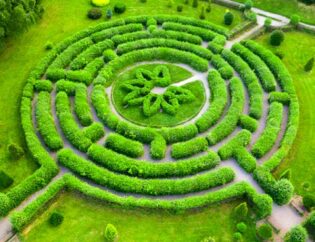
The foundation of any successful residential landscape design is structure. Before thinking about flowers or decorative features, consider the bones of your yard — the permanent elements that hold everything together when seasonal plants come and go. Evergreen shrubs, defined pathways, stone edging, and well-placed trees create a visual framework that keeps the yard looking intentional even in the middle of winter.
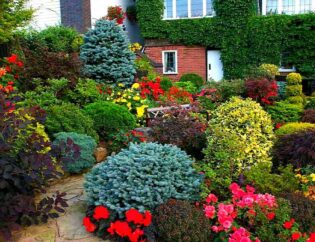
One of the most effective approaches in planting design is layering. Combine tall trees or large shrubs at the back, medium-height perennials in the middle, and low ground covers at the front. This creates depth and visual interest that shifts naturally with the seasons rather than disappearing when one plant finishes blooming.
Native plant garden design fits perfectly into this layered approach. Native plants are adapted to local conditions, which means they handle seasonal changes, drought periods, and temperature swings far better than many exotic species. They also support local wildlife, making your yard a natural habitat for birds and beneficial insects throughout the year.
Pollinator garden design is another layer worth adding. Planting a mix of species that bloom at different times — from early spring bulbs to late-season asters — keeps the garden alive with color and movement from March through November. This approach also reduces the pressure on any single plant to carry the whole visual weight of the yard.
For homeowners dealing with dry summers, drought tolerant garden design and xeriscape garden design offer practical solutions. Replacing thirsty lawn areas with gravel, decomposed granite, or drought-adapted plants dramatically reduces water use while keeping the yard looking polished. Water wise landscaping is not about sacrificing beauty — it is about choosing plants and materials that thrive with less.
Martin Palma, founder and CEO of Ecolandscape Studio, often points out that the biggest mistake homeowners make is designing only for peak season. In his experience working across different climate zones, yards that look stunning year-round almost always share one thing: they were planned with the off-season in mind first. Choosing plants with interesting bark, seed heads, or winter structure gives the landscape something to offer even when nothing is in bloom.
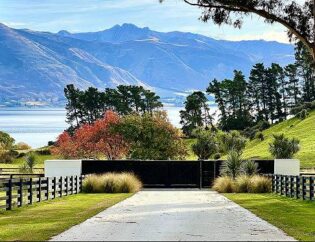
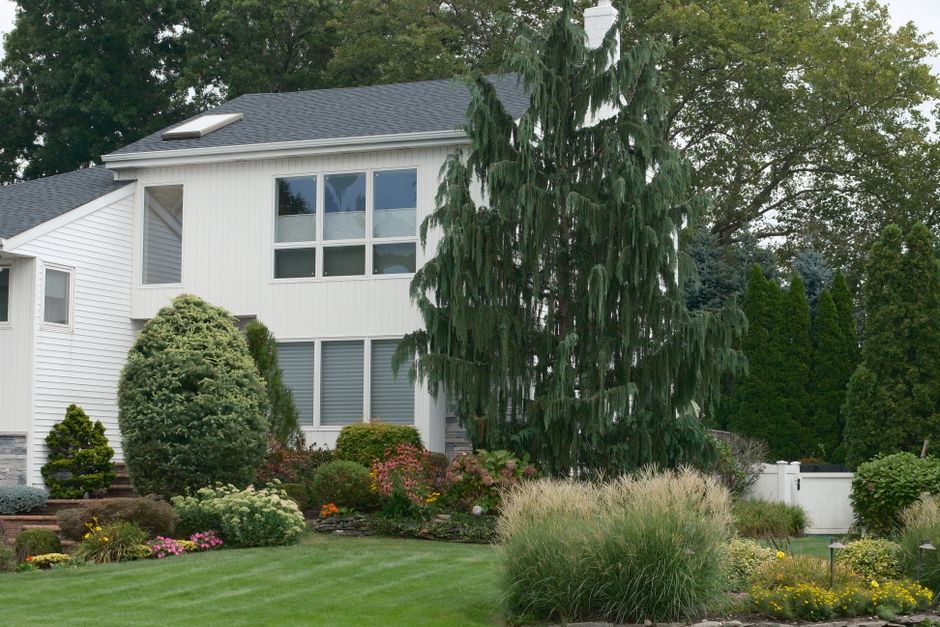
Front yard landscaping ideas tend to focus on curb appeal, but the best front yard designs also consider privacy landscaping, low maintenance garden design, and how the space connects to the street and entry. A mix of evergreen foundation plants, seasonal color, and clean garden edging ideas creates a front yard that looks cared for without requiring daily attention.
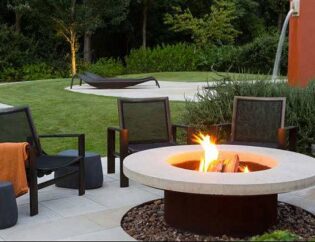
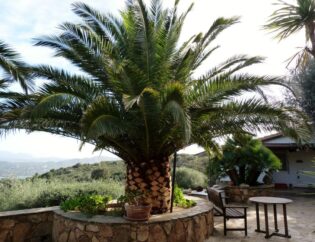
In the backyard, outdoor living space design becomes the priority. A well-designed patio with comfortable seating, surrounded by layered planting beds and softened with landscape lighting ideas, transforms a plain backyard into a space people actually want to spend time in. Patio landscaping ideas work best when the hardscape and planting areas are balanced — too much paving feels harsh, while too much planting without structure can feel overgrown.
Small backyard design requires extra attention to scale. Choosing compact plants, using vertical elements like trellises or tall grasses, and keeping pathways clear makes a small space feel organized and intentional rather than cramped. Lawn alternatives such as creeping thyme, clover, or ornamental gravel work especially well in tight spaces where a traditional lawn would be difficult to maintain.
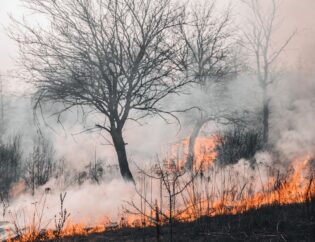
Rain garden design is worth considering for yards with drainage challenges. A shallow planted depression that collects and filters runoff can solve a practical problem while adding a beautiful naturalistic feature to the landscape. Combined with fire resistant landscaping choices in areas prone to wildfire risk, these functional design decisions make the yard safer and more resilient.
Landscape lighting ideas deserve more attention than they usually get. Lighting extends the usability of outdoor spaces into the evening, highlights key plants or architectural features, and adds a layer of security. Path lights, uplighting on trees, and soft ambient lighting around a seating area can completely change how a yard feels after dark.
Modern garden design trends are moving toward yards that feel like natural extensions of the home rather than separate decorative spaces. Clean lines, a restrained plant palette, sustainable materials, and a focus on outdoor living comfort are all shaping how homeowners and designers approach yard landscaping design today.
The most practical takeaway from all of these ideas is simple: plan for the whole year, not just the season when you are doing the planting. Choose plants with multiple seasons of interest, invest in good structure and edging, and think about how the yard will look and function in winter as much as in summer. A yard that is designed with that kind of long-term thinking will reward you with consistent beauty and far less maintenance over time.