Rock gardens are becoming increasingly popular among gardeners and designers. They create a unique atmosphere, add texture and depth, and seamlessly fit into any landscape. At Ecolandscape Studio, we often use rocks to transform spaces, making them more harmonious and natural. In this article, we’ll explain how to design a rock garden, what materials and plants to choose, and provide maintenance recommendations for this beautiful and functional landscape element.
Why Rocks? The Benefits of Rock Gardens
A rock garden is the perfect solution for those who want to create a stylish and low-maintenance landscape. Rocks can serve both decorative and functional purposes. They help organize the space, highlight different zones, improve drainage, and reduce the need for lawn care.
Martin Palma, founder and CEO of Ecolandscape Studio, explains: «Rocks help us create landscapes that are not only beautiful but also practical. This material allows us to combine aesthetics and functionality while creating design elements that highlight the natural beauty of your site.»
Getting Started: Planning Your Rock Garden
Before you start creating your rock garden, it’s important to carefully plan the project. This will help avoid mistakes and ensure a harmonious design. Here are a few key steps to consider:
First, assess the site. Determine where your rock garden will be located, taking into account factors such as sunlight, soil type, moisture levels, and plant requirements. Rock gardens look particularly good in sunny areas, but some plant species thrive in the shade as well.
Next, do some research. By browsing photos of rock gardens online, visiting local gardens, or creating a mood board, you can collect ideas for your future project and better understand what elements and styles you prefer.
Once you have solid ideas, it’s time to develop the design. Create a sketch or a plan to visualize where the rocks and plants will be placed. If the project is more complex or involves large rocks, we recommend consulting with experienced professionals who can help you consider all the details.
Choosing Rocks: How and Which Ones to Use
Rocks play a central role in the design of a rock garden, and their selection should be well thought out. It’s important to consider not only their size but also their shape, texture, and color to ensure they fit harmoniously into the overall landscape. At Ecolandscape Studio, we recommend following several basic principles when selecting rocks for your garden.
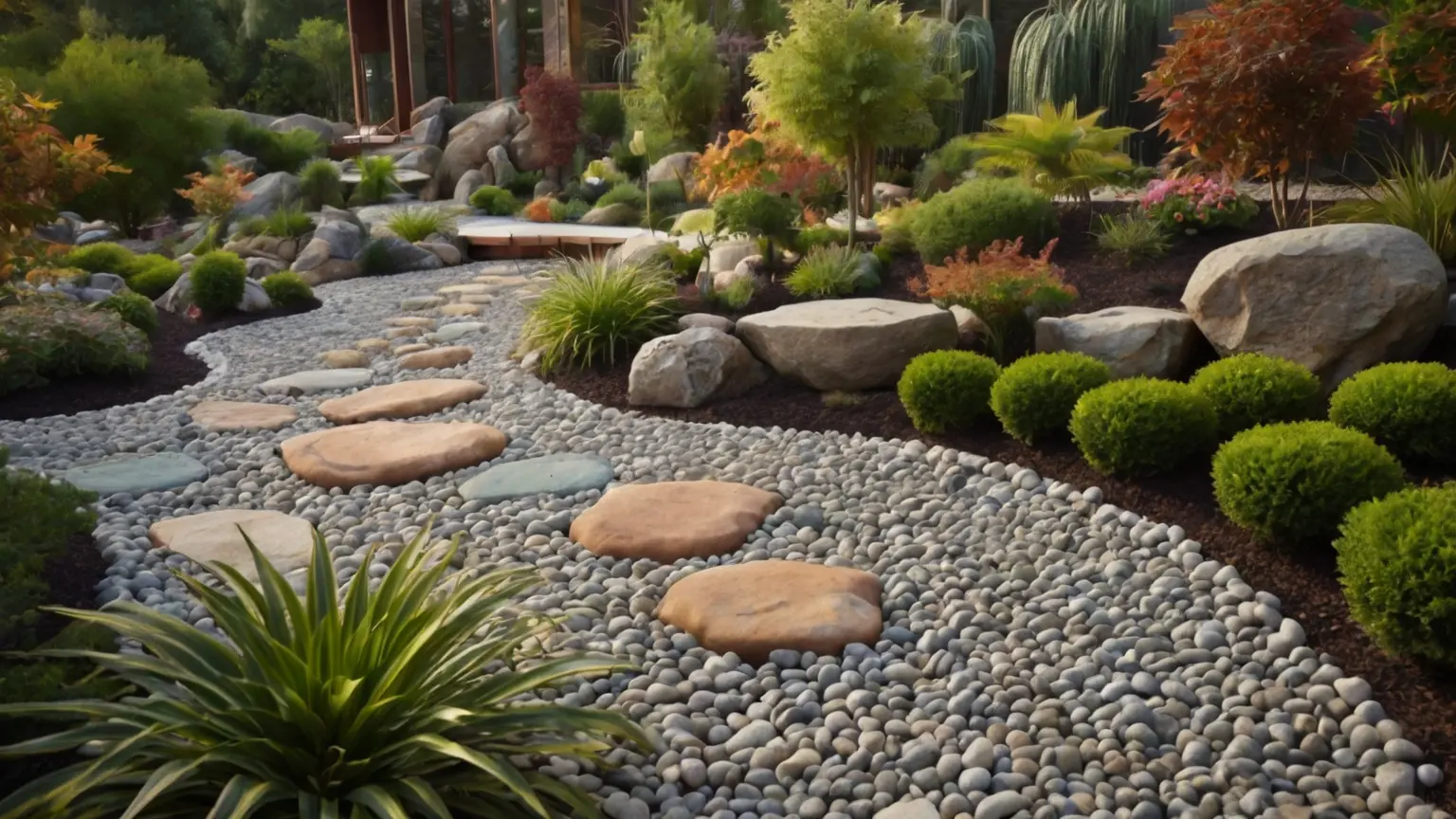
To make the garden look interesting and layered, use rocks of different shapes and sizes. Large rocks can serve as focal points, while smaller ones are perfect for filling spaces and creating contrast, especially in areas between larger rocks.
The color palette of rocks is also very important. Light-colored rocks will give the garden a sense of lightness and airiness, while dark rocks will add contrast and drama. It’s crucial that the rocks harmonize with the surrounding landscape and selected plants to create a balanced look.
When it comes to materials, we recommend choosing natural stones such as granite, sandstone, or limestone. These materials are not only beautiful but also durable, which is important for creating gardens that will remain visually appealing for many years. Additionally, gravel and pebbles are often used to create soft transitions between different areas of the landscape and add extra texture.
Choosing Plants for a Rock Garden
Plants are just as important as rocks in a rock garden. To create a harmonious composition, it’s essential to choose plants that will not only complement the rocks but also take into account the climate conditions of your region.
If you want to ensure low maintenance for your garden, we at Ecolandscape Studio recommend using drought-tolerant plants such as alpine species, succulents, and thyme. These plants adapt well to the conditions of rock gardens because they require minimal watering and thrive in dry, hot conditions.
To keep your garden green year-round, opt for perennials and groundcovers. Plants such as phlox, carnations, aubrieta, and dwarf conifers are perfect for providing consistent greenery in a rock garden.
If there are shaded areas on your site, it’s important to choose plants that thrive in low light conditions. Ferns, hostas, and hellebores are ideal for these spots. These plants not only thrive in the shade but also add special texture and a green hue to the garden.
Martin Palma states: «The right choice of plants and rocks is the foundation for creating a sustainable and beautiful garden. We always help our clients select plants that will harmonize with the surrounding landscape and climate conditions.»
Maintenance of a Rock Garden
While rock gardens require minimal maintenance, there are still several key aspects to pay attention to:
- Watering: Rocks absorb heat, especially on hot days, which causes the soil to dry out quickly. Be sure to water your plants, particularly during the summer, when they may experience water shortages.
- Fertilizing: Some plants, like succulents and alpine species, need little to no fertilizing. However, plants like hostas and ferns can benefit from extra nutrients, especially during active growth periods.
- Weeding: A rock garden with gravel and small stones serves as a natural weed barrier, but weeds may still appear over time. Be sure to remove them regularly to prevent them from taking nutrients and water from your plants.
- Pruning: Periodic pruning of dead or faded plants helps stimulate new growth and keep the garden looking neat.
Creating a rock garden is a wonderful way to add natural beauty to your landscape. Rocks and plants can work together to create stunning compositions that will please the eye and serve functional purposes throughout the year.
If you want to create a rock garden that reflects your personality and fits seamlessly into your landscape, get in touch with us. We are ready to assist you in designing and implementing this beautiful garden feature.