When landscaping your plot, not only plants play a crucial role but also elements like natural stones. These materials help create a harmonious atmosphere, adding natural beauty and durability to the landscape. One of the most popular ways to use stones in landscape design is in alpine rockeries, unique stone compositions that can be easily integrated into any garden. At Ecolandscape Studio, we believe that the right selection of stones can not only serve as the foundation for creating beautiful rockeries but also solve practical problems, such as improving drainage or concealing uneven areas of the plot.
In this article, we will share how to choose stones for an alpine rockery, which plants are ideal for such a landscape element, and provide many useful tips on how to create your own rockery for your plot. By following these recommendations, you’ll be able to create a harmonious space that will delight the eye for many years.
What’s Special About an Alpine Rockery?
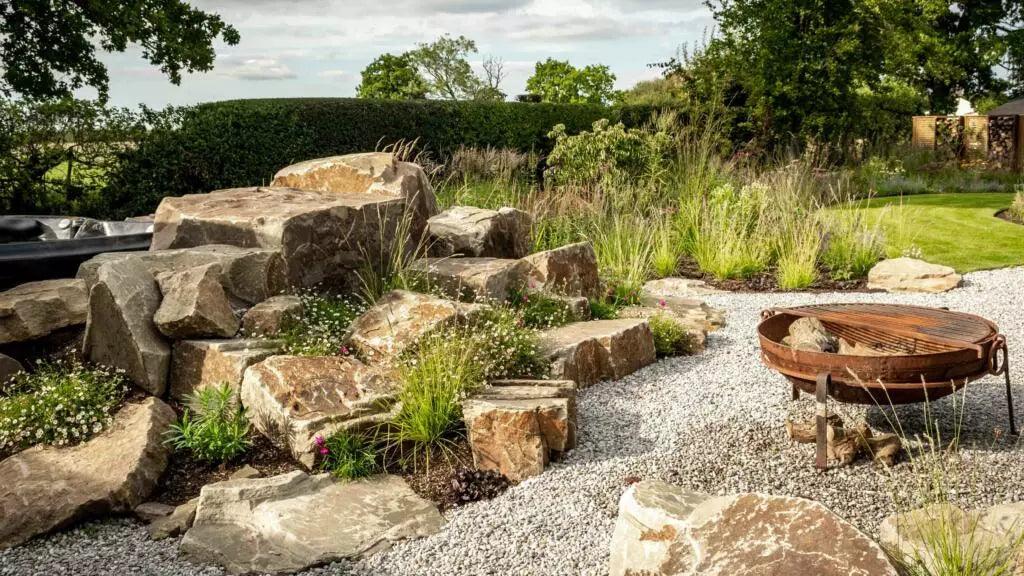
An alpine rockery is a miniature version of a mountainous landscape, consisting of stones, plants, and decorative elements that together create a unique space. This landscape design element is popular for its versatility and ease of maintenance. At Ecolandscape Studio, we always recommend using an alpine rockery for landscaping plots with height variations or to beautify empty or neglected corners of the garden.
According to Martin Palma, founder and CEO of Ecolandscape Studio, «An alpine rockery is not just a decorative solution. It’s a way to integrate stones and plants into a harmonious composition that will delight you all year round. It helps solve problems with height variations, conceals landscape defects, and makes the plot more lively and diverse.»
How to Choose Stones for an Alpine Rockery?
Stones are the foundation of any alpine rockery, and their choice affects not only the appearance but also the durability of the composition. It’s essential to consider not just the aesthetic qualities of the stone but also its resistance to external conditions. For strong and durable rockeries, granite, limestone, and sandstone are perfect options. It’s also important to consider how each stone will blend with the other landscape elements to create a cohesive and harmonious composition.
- Granite: One of the most durable and long-lasting stones, ideal for large boulders and retaining walls. It’s resistant to weather conditions, moisture, and temperature fluctuations. Granite stones also look aesthetically pleasing and blend well into the landscape.
- Limestone: With its soft texture, limestone allows for the creation of elegant terraced compositions. Its light or dark hues make it a versatile material for any garden type. Limestone harmonizes beautifully with plants, creating a natural and soft look.
- Sandstone: A warm and pleasant stone, it works well in sunny spots. It is perfect for creating soft, natural compositions, especially when combined with grasses and low-growing shrubs.
According to research presented on landscapingnetwork.com, it’s essential to choose stones that can withstand local climate conditions. For regions with harsh winters, granite is the best option, while sandstone is better suited for warmer climates.
Which Plants Are Best for an Alpine Rockery?
When creating an alpine rockery, plants play as crucial a role as the stones. The plants for such compositions should be drought-resistant and well-suited to rocky soils. It’s important to select plants that are not only decorative but also functional. Alpine plants, unlike other garden plants, require minimal care and can thrive even in limited spaces.
- Echinacea: A vibrant perennial with attractive flowers, Echinacea looks beautiful against the backdrop of stones, adding liveliness to the composition. It’s drought-tolerant and doesn’t need much water.
- Alpine Violet: A low-growing plant that adds softness and delicacy to the rockery. Its small flowers blend harmoniously with the stones without obscuring them.
- Lavender: This aromatic plant gives the alpine rockery not only a beautiful appearance but also a pleasant fragrance. Lavender is drought-tolerant and requires little maintenance. It will bloom throughout the season and creates a natural atmosphere in the garden due to its unique scent.
Additionally, consider dwarf coniferous trees such as mountain pine or Canadian hemlock. These plants will add greenery during the winter and serve as focal points, especially against the backdrop of snow. Including coniferous trees in the alpine rockery provides an interesting visual contrast that remains even in winter.
How to Create an Alpine Rockery Yourself?
Creating an alpine rockery is an exciting process that requires attention and care at every stage. Before starting, it’s essential to understand the goals you want to achieve and which elements to use.
Site Preparation: Before creating the alpine rockery, choose a spot with good sunlight and quality drainage. The soil should be well-ventilated to avoid water stagnation. If your plot has height variations, you can use these as a natural base for the rockery.
Stone Selection and Placement: Stones should be arranged in multiple layers, creating height variations. Start with large stones that will form the base of the composition, and add smaller stones for decoration. It’s important not to place the stones too close to each other to allow plants to grow and develop. Proper placement of the stones helps not only to create a beautiful composition but also solves drainage and moisture retention issues.
Planting: Position plants in such a way that they highlight the shape of the stones and don’t obscure them. Use plants of varying types and heights to create a multi-layered composition. When planting, make sure to leave enough space for each plant to grow and consider how well they will combine with each other. A mix of different heights and textures of plants allows for a dynamic and vibrant composition.
Rockery Maintenance: Once the rockery is complete, regularly check the condition of the plants and stones. Remove weeds, trim dry or damaged branches, and ensure the soil doesn’t dry out. Occasionally, you may need to add a new layer of stones or refresh the soil to maintain the appearance of the composition.
An alpine rockery is not just a beautiful landscape design element but also an effective solution for your garden. It helps address issues with height variations, improves drainage, and creates interesting levels. Furthermore, such a composition requires minimal care, making it perfect for busy people. It’s crucial to choose the right stones and plants to create a harmonious and long-lasting composition that will delight you for many years.
At Ecolandscape Studio, we are always ready to help you create a unique landscape that perfectly suits your plot.