Ornamental shrubs are one of the most important elements of landscape design, helping to create not only a beautiful but also a functional space. These plants serve many purposes, from forming hedges to zoning the area and adding bright accents. At Ecolandscape Studio, we place great emphasis on selecting the right shrubs for your garden. In this article, we share expert recommendations that will help you create a harmonious and attractive landscape with ornamental shrubs.
What Are Ornamental Shrubs and Why Are They Important in the Garden?
Ornamental shrubs are perennial plants that, unlike trees, do not have a main trunk. They can be coniferous, deciduous, fruit-bearing, or flowering, and all these types perfectly complement the landscape of your garden. Their main advantage is their compactness, making them ideal for greening areas of different sizes. They add depth, texture, and color to your garden, as well as serving functional roles.
For example, coniferous shrubs like juniper and cypress are ideal for creating green hedges that help divide space. Deciduous shrubs such as dogwood or lilac add color accents and fragrances, while fruit-bearing shrubs (e.g., raspberry and viburnum) can be not only decorative but also useful, producing fruit.
Key Functions of Ornamental Shrubs in Landscape Design
Ornamental shrubs serve several important functions in the garden.
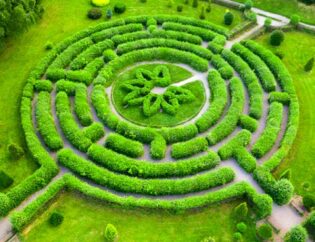
Creating Living Hedges and Zoning: Shrubs with dense foliage, like barberry and white dogwood, are great for forming dense hedges that can hide undesirable landscape elements, protect from wind, or provide a secluded space for relaxation.
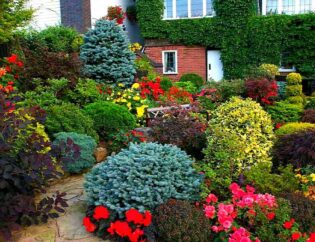
Color Accents and Textural Elements: Shrubs with vibrant colors, like lilac or forsythia, draw attention and liven up any area. They can be used in compositions to create contrast with green plants and add bright touches to the landscape.
Functional Roles: Some species, such as snowberry and viburnum, help protect the garden from excess noise and dust, and can also act as living barriers or decorative accents that conceal less attractive elements of the garden, such as fences or utility buildings.
How to Choose the Right Ornamental Shrubs for Your Garden
When choosing ornamental shrubs, several factors need to be considered. First, you should clearly understand what role the plants will play in your garden.
- Hedges: Shrubs with dense foliage, like barberry or dogwood, are ideal as they grow quickly and are easy to prune.
- Color Accents: For bright accents, choose plants with striking flowers, such as lilac, jasmine, or forsythia.
It is also crucial to consider the climatic conditions. For colder regions, frost-resistant plants like snowberry or viburnum are perfect as they can tolerate cold and temperature fluctuations. Pay attention to the soil type on your plot. For clay soils, plants like spirea and snowberry are suitable, while for sandy soils, juniper and dogwood are better options.
It’s also worth remembering that ornamental shrubs can be not only beautiful but also useful. For instance, fruit-bearing shrubs (such as viburnum and honeysuckle) can not only decorate the garden but also produce fruits that can be used in cooking.
Caring for Ornamental Shrubs
Proper care for ornamental shrubs will ensure their long lifespan and beautiful appearance. One key aspect is watering. These plants need regular watering, especially during the summer, but it’s important not to allow water to stagnate, as this can lead to root rot. Good drainage should always be provided.
In addition, ornamental shrubs require pruning. This is necessary to maintain their shape and prevent excessive growth. It’s best to prune them in the spring when the plants begin to actively grow. This way, the shrubs will not only look beautiful but also stay healthy.
As Martin Palma, the founder and CEO of Ecolandscape Studio, notes, «When we design a garden, we always pay attention to how the plants will interact with each other. Shrubs are not just decorative elements; they also serve important functions such as zoning and protection. If you choose and place the right shrubs, they can radically transform the garden, making it cozier and more functional. I always advise my clients to consider the climatic features and soil type to ensure that the plants are not only beautiful but also easy to care for.»
How to Combine Ornamental Shrubs in the Garden
When combining ornamental shrubs in the garden, it is important to consider not only their height but also the texture of their foliage and their color. For example, tall shrubs, such as juniper or dogwood, can be placed in the background so they don’t overshadow smaller plants. At the same time, low-growing shrubs like barberry or ninebark should be planted in the foreground to create bright accents.
It is also important to remember that ornamental shrubs can be not just decorations but also vital functional elements. Lilac and honeysuckle, for example, will give the garden not only vibrant accents but also a fragrance that will be noticeable throughout the year.
Ornamental shrubs are not only decorative elements of the garden but also essential plants that perform various functional tasks. Choose shrubs that suit the climatic conditions of your region, soil type, and the goals of your garden. As Martin Palma emphasized, «The right choice of ornamental shrubs is the foundation for creating a beautiful and functional garden that will delight you for many years.»