In landscape design, the importance of harmony between plants cannot be overstated. Using plants with different textures and colors helps create not only an attractive appearance but also a deep, layered landscape. Harmony in plant combinations is what distinguishes a beautiful, professionally designed garden from simple landscaping. In this article, we will explain how to properly combine plants with various textures and colors to create elegant and balanced compositions.
Why Is Combining Textures and Colors So Important in Landscape Design?
Landscape planning is not just about choosing plants but creating a harmonious and natural composition where each element plays its part. Combining plants with different textures and colors not only draws attention but also enhances the visual interest of the garden. Contrasts and smooth transitions between plants help create depth and dynamism.
Properly selected textures and shades can lead to the creation of a garden that is not only aesthetically pleasing but also lively and vibrant. Plant textures influence the perception of space: coarse, large leaves give a sense of structure, while smaller, softer-leaved plants bring lightness and airiness. At Ecolandscape Studio, we pay attention to these nuances to create a space that will delight the eye year-round.
Mixed Borders: The Art of Combining Plants from Different Corners of Nature
Mixed borders are one of the oldest and most effective methods of landscape design. The history of their use dates back to the 18th century when English gardeners began moving away from strict geometric forms and transitioning to more natural, free-flowing compositions. This became the foundation of a landscaping style that uses plants with varying textures, sizes, and colors to create smooth, harmonious transitions between garden elements.
As Martin Palma, the founder of Ecolandscape Studio, states: «Mixed borders are not just plants. They are a story you tell through plants. It is their interaction and the ability to work in ensemble to emphasize each other’s virtues.»
Mixed borders are an ideal way to create a garden that will change over time, whether in different seasons or as the plants grow. They easily combine both perennials and annuals, shrubs, and ornamental grasses, which helps maintain dynamism and interest in the garden throughout the year.
How to Combine Plants with Different Textures and Colors?
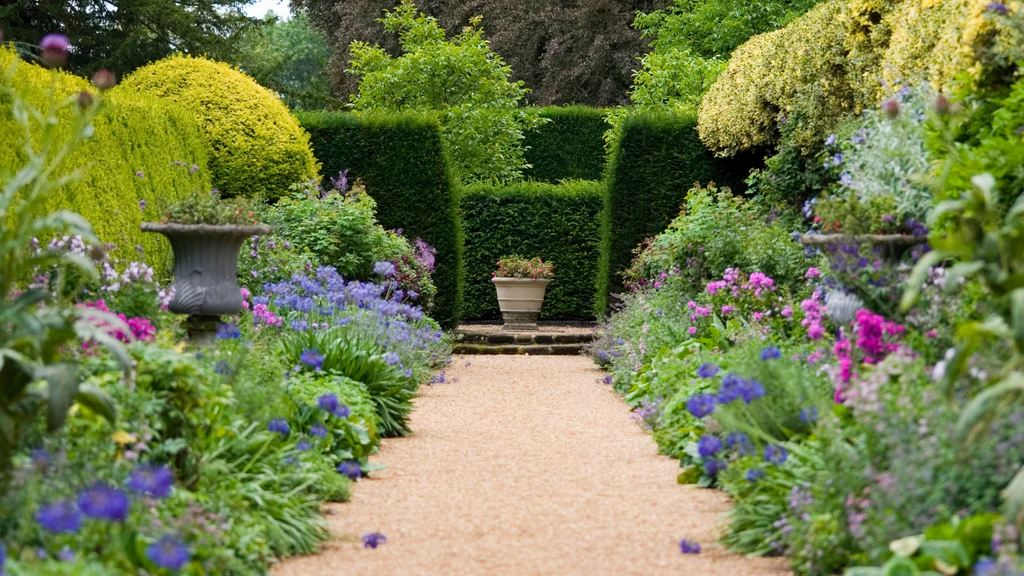
Combining plants with different textures is one of the easiest ways to add interest and volume to your garden. For example, the coarse, large leaves of agave, juniper, or barberry look great against the backdrop of softer, more delicate plants such as ferns, lavender bushes, or grasses. Such combinations create deep contrasts without overwhelming the eye. It is important to remember that plants with different textures should not only look harmonious but also complement each other, creating layers.
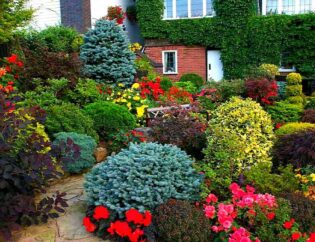
Color plays just as important a role in landscape design. Plants with different shades of blue, purple, and green blend well together, transitioning smoothly from one to the other, creating a calming atmosphere. However, bright contrasts, such as red and yellow, can serve as accents, but in such cases, it’s crucial to balance them with neutral and calming colors. At Ecolandscape Studio, we often use color combinations like red accents surrounded by soft green grasses or lavender blooms to create a dynamic yet unburdened design.
When combining plants, it’s also important to consider their sizes and shapes. For instance, tall plants, such as ornamental grasses or shrubs, create the backdrop for a composition, while low-growing plants, such as alpine violets or moss, beautifully highlight the foreground. It is important that plants of different forms and sizes work together to create visual depth and interest without overwhelming any of the elements. Keep in mind that plants with large, round leaves, like hostas, can be harmoniously complemented by narrower, longer leaves such as grasses or irises.
Decorative plants with unusual foliage, such as caladiums, peperomias, or succulents, can become striking accents in the garden. These plants not only attract attention due to their unusual shape and texture but also blend well into the landscape when placed among plants with simpler and more ordinary leaves. Such accents add diversity and freshness to the overall composition.
Equally important is the element of seasonality. When designing a landscape, it’s important to remember that plants can change their appearance depending on the season. For example, in winter, evergreen plants or ornamental shrubs with red foliage or berries will retain their decorative value, while in summer, bright perennials will bloom, creating dynamic movement. Thus, combining seasonal plants helps create long-term visual interest and maintain harmony throughout the year.
Mistakes When Combining Plants and How to Avoid Them
One of the major mistakes in creating landscape compositions is choosing plants with different requirements for growth conditions. For example, drought-resistant plants like lavender or sage won’t thrive next to moisture-loving plants like irises or begonias. It is important to consider the light, water, and soil type needs of each plant.
It is also advisable to avoid overly bright contrasts that may «compete» for attention. When using bright colors, it’s important not to overwhelm the composition by balancing the accents with neutral or softer shades. Remember, plants should complement each other, not compete.
Martin Palma, the founder and CEO of Ecolandscape Studio, asserts: «In landscape design, every element we add to the project matters. We aim to create spaces where each element not only looks beautiful but also performs its role, creating harmony and functionality.»
Combining plants with different textures and colors is an art that requires attention and understanding of the interactions between elements. It’s important not only to create a beautiful picture but also to ensure the longevity and sustainability of your garden or yard. At Ecolandscape Studio, we always consider all these nuances in our projects to create harmonious and functional landscapes that will delight you every day.