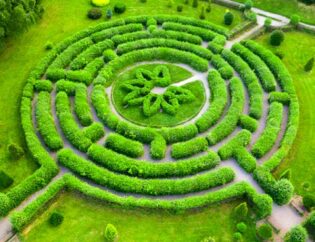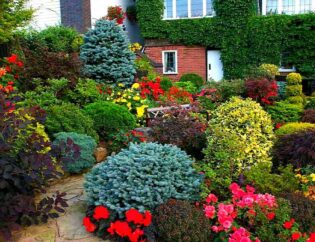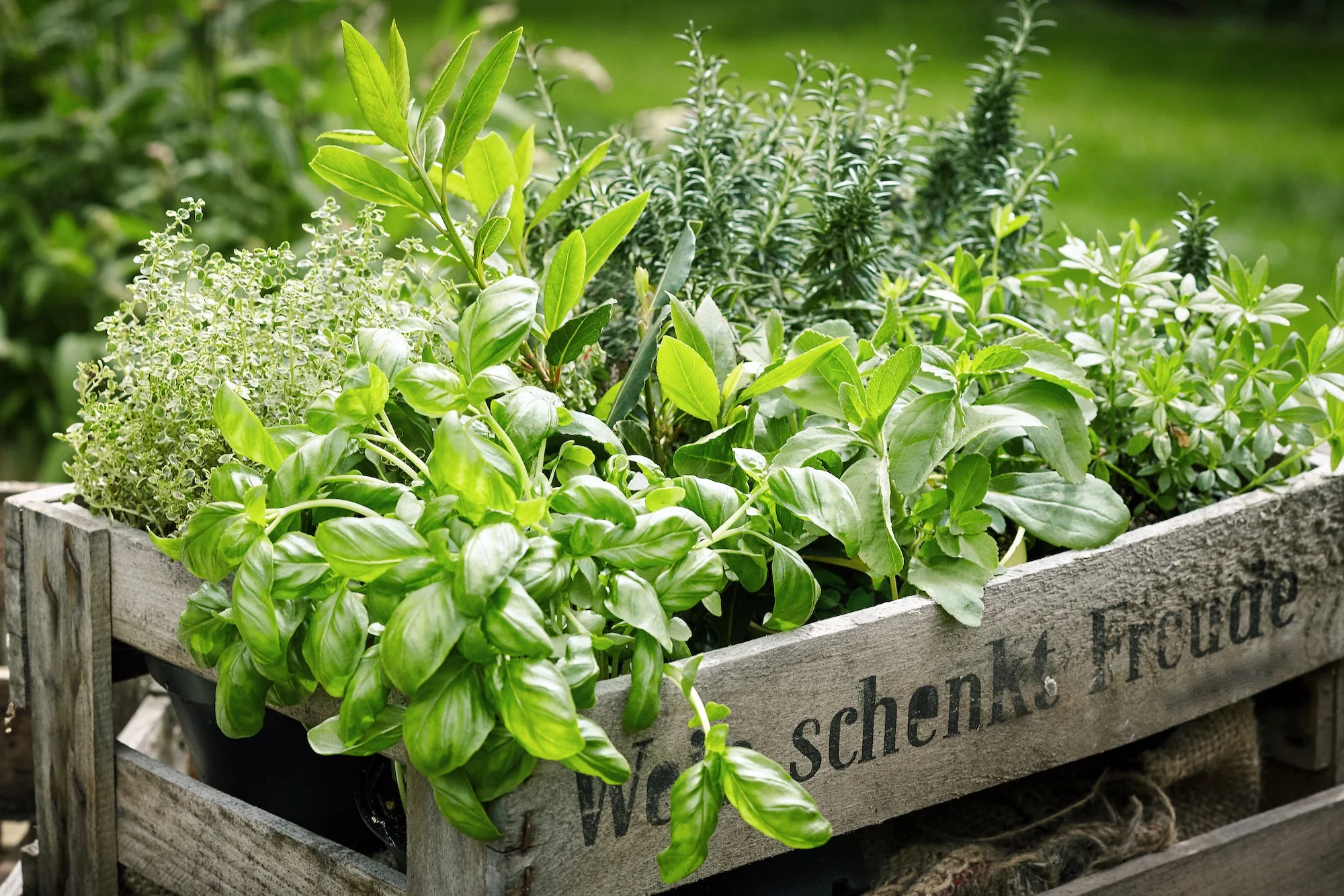
A garden can be more than just a source of beauty and comfort it can also become a true kitchen right under the open sky. Edible herbs and spices are a great addition to any landscape design, providing fresh and aromatic ingredients for your dishes. At Ecolandscape Studio, we are confident that growing such plants in your garden is not only beneficial for your health but also adds uniqueness to your space. In this article, we’ll talk about the most popular edible herbs and spices that can become the foundation of your garden garden.
Why Grow Edible Herbs and Spices in the Garden?
Edible plants offer many benefits. Not only do they beautify your site, but they also provide access to natural ingredients for cooking. Many of these plants are easy to grow and require little maintenance. For example, herbs such as rosemary, mint, or basil can be used in cooking to enhance flavor and also to create aromatic teas and infusions. At Ecolandscape Studio, we see this as not only a way to improve the appearance of your garden but also an opportunity to make the most of your space.
Edible plants can form the basis of small garden plots within your landscape design. They allow you to control the quality of your products, eliminate the need to buy many spices and herbs from the store, and also help maintain the ecosystem on your site.
Top Edible Herbs and Spices for Your Garden
- Basil
Basil is one of the most popular edible herbs, which is easy to grow at home. It requires a sunny location and regular watering, but overall, it is quite undemanding. In cooking, basil is used for making sauces, pizza, pasta, and salads. At Ecolandscape Studio, we recommend growing it not only for the kitchen but also to create beautiful green accents in your garden. - Mint
Mint is an aromatic herb that not only adds freshness to drinks and desserts but also helps repel some pests in the garden. Mint grows well in partial shade, doesn’t need frequent watering, and will keep its green foliage from early spring to autumn. At Ecolandscape Studio, we often recommend using mint as a decorative element to create pleasant aromatic corners in the garden. - Rosemary
Rosemary is an aromatic herb with a woody scent, perfect for preparing meat, fish, potatoes, and sauces. It requires a sunny spot and well-drained soil. Rosemary not only serves as a useful herb in the kitchen but also as a wonderful decorative element in your garden, adding greenery and structure. - Lavender
Lavender is not only a beautiful but also a useful plant. In addition to pleasing the eye with its bright purple color, its leaves and flowers can be used for aromatherapy, tea, and as a spice. Lavender requires a sunny location and good drainage and fits perfectly into landscape design, creating accents and highlighting other plants. - Garlic
Garlic is not only an essential ingredient for cooking but also a powerful natural pest repellent. Garlic can be grown in garden beds or containers, and it requires little care. It will add a piquant flavor to your dishes, and its smell can deter insects like ants and aphids. - Sage
Sage is an excellent herb for roasting, casseroles, and other meat dishes. It requires a sunny location and well-drained soil. It has many beneficial properties, including antiseptic and anti-inflammatory effects, and can become not only a useful plant but also a beautiful element in your garden.
Benefits of Growing Edible Herbs and Spices
Growing edible plants not only enhances the flavor of food but also brings many other benefits. These plants:
- Enrich your diet with vitamins and minerals.
- Help reduce stress and improve emotional well-being (for example, the aroma of lavender or mint has a calming effect).
- Improve the garden’s ecosystem by attracting beneficial insects like bees and butterflies.
- Contribute to better air quality and maintain biodiversity in your garden.
As our founder and CEO Martin Palma pointed out, «Every garden is not just a place to relax but also a source of food when planned properly. Growing edible plants is not just a way to improve the aesthetics of your garden but also an important step toward a sustainable and healthy lifestyle.»
How to Incorporate Edible Plants into Landscape Design?
At Ecolandscape Studio, we recommend starting with small areas that can be integrated into the overall landscape design. For example, create small zones for growing herbs near your home or in garden terraces. It’s important not only to choose the right plants but also to integrate them harmoniously with other garden elements.
We always approach each project individually, taking into account the characteristics of the site, climatic conditions, and the client’s preferences. Our specialists will help you select plants that will be not only useful but also blend seamlessly into your landscape.
Recommendations from Ecolandscape Studio
Growing edible herbs and spices is not just a convenient way to enhance your diet but also an excellent opportunity to diversify your landscape design. These plants can serve both practical and decorative functions in your garden. At Ecolandscape Studio, we are confident that the right plants not only transform your space but also make your garden more sustainable and functional.
If you want to create a garden that is not only beautiful but also useful, we are ready to help you develop the perfect design. We always approach every project with attention to detail and are prepared to offer you the best solutions for your plot.