Creating a harmonious landscape design is impossible without careful planning of paths and routes throughout the garden. The path that a person takes shapes their perception of space, influencing how we perceive the garden and its elements. Pedestrian walkways, paths, steps, and other routes must not only serve their functional role but also be part of the overall aesthetic design of the site. In this article, we at Ecolandscape Studio will explain how to properly design garden routes so that they harmoniously blend with the surrounding nature and create a convenient, pleasant space for walking.
How Do Routes and Transitions in the Garden Affect the Perception of Space?
Every route in the garden plays an important role, not only from a convenience standpoint but also as a means of shaping the emotional perception of the space. When a person moves through the site, they are not just transitioning from one zone to another; they interact with nature, discover new views and perspectives, and feel the harmony between architecture and vegetation.
Well-thought-out transitions help not only to divide the garden into functional zones but also to improve the overall atmosphere of the site. It is important that the routes do not create a sense of excessive straightness; on the contrary, they should be interesting, change depending on the angle of view, and contribute to the creation of secluded spots for relaxation.
Aesthetic Appeal of Paths and Walkways
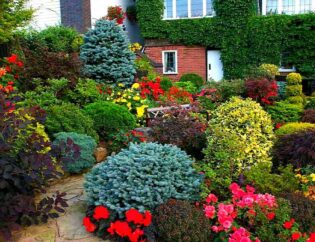
Paths are not just a practical element of landscape design. Ideally, they should be as beautiful as the rest of the garden, blending seamlessly with its style and vegetation. To create beautiful and comfortable walkways, it is essential to choose materials that are not only durable but also fit into the overall style of the site.
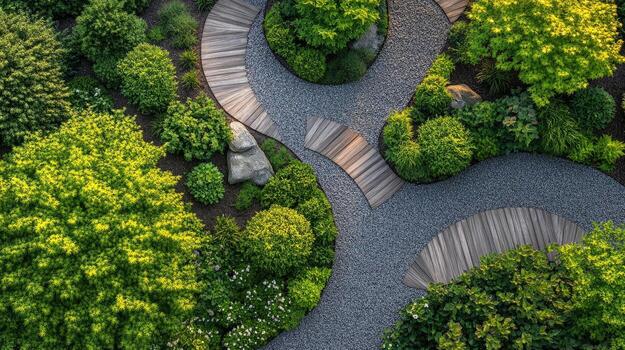
In many of our projects, we use natural stone, gravel, brick pavers, or wooden decks to create striking transitions. For example, stone paths that gently curve through the garden emphasize the natural harmony, while wooden walkways can create a cozy atmosphere in a relaxation area, flowing smoothly into the green part of the site. All of this allows us to connect zones harmoniously and make the garden more expressive.
Thoughtful Routes: How to Guide a Person Through the Site
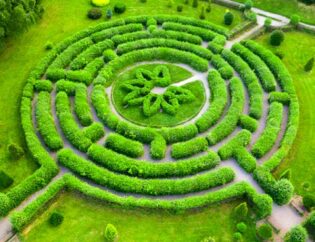
Proper distribution of paths and routes helps not only to improve the garden’s functionality but also to create interesting perspectives. It is important to understand that routes in the garden should not be straight, like those on a highway. They should be winding and unexpected so that a person can discover new corners of the garden.
For instance, if the site has several levels, steps, rises, and descents can be used to diversify the route and add an element of surprise. In this case, it is important to consider not only practicality (ensuring that the steps and descents are comfortable) but also the aesthetic aspect, such as adding plants along the sides or selecting interesting materials for the steps.
One of the techniques we often use in our designs is creating “secret” passages or hidden corners. These could be small paths that lead to secluded spots for relaxation. This approach encourages a deeper connection with nature and provides a sense of solitude and peace.
Transitions Over Water Features: Creating Smooth Connections with Nature
If your site has a water feature—a pond, fountain, or stream—it is important to think about how to make it a part of the route, creating a smooth transition from one garden zone to another. Bridges, wooden walkways, or railings can not only help safely cross the water but also become a striking design element.
For one of our projects, we designed a bridge that connects two parts of the garden across a small pond. This not only created a convenient transition but also became a bold architectural accent in the landscape design. The water flowing gently beneath the bridge adds a soundscape, enhancing the atmosphere of tranquility and harmony.
Lighting Paths and Routes
Paths and walkways should not only be functional during the day. In the evening, the garden transforms into a new world, where lighting plays a key role in creating coziness and safety. Illuminated walkways and steps not only help with navigation at night but also create a magical atmosphere. Proper lighting accentuates key elements of the garden, making it more expressive.
We recommend using soft lighting for pathways to create a cozy and safe environment. Lights embedded in the ground or placed along the paths gently illuminate the route and make it more inviting. Decorative lights can also highlight individual plants or landscape features, thus creating a sense of warmth and calm.
Mobile Elements and Relaxation Zones
One of the key aspects of a thoughtful route is the creation of relaxation zones. These spots should be conveniently located along the paths so that people can comfortably stop, enjoy the view, or simply rest. Placing benches, chairs, or decorative elements in spots with a good view or cozy shelter helps make the garden more welcoming.
In one of our projects, we designed several such zones that allowed people to enjoy different parts of the garden. Each zone had its own style—ranging from quiet corners with benches to spaces with fireplaces and chairs for family gatherings. All of these elements were connected by well-planned routes, creating comfortable and cozy spaces for rest.
Well-thought-out routes and transitions in the garden are not just about convenience but also an important element in creating atmosphere. Through properly organized paths and walkways, a person not only moves through the site but also interacts with nature, discovering new corners of the garden. To achieve this, it is essential to use a variety of materials, plants, and architectural solutions so that every route is not only functional but also beautiful.
As Martin Palma, founder of Ecolandscape Studio, noted: «Routes and transitions in the garden are not just paths from one zone to another; they are an opportunity to create a unique atmosphere where every element of the garden works for your comfort and aesthetic perception.»