Designing a yard that is both comfortable and safe for pets is an important task for every pet owner. At Ecolandscape Studio, we place great emphasis on creating spaces that meet the needs of all family members, including pets. In this blog, we share recommendations on how to design a yard that will be safe and comfortable for your furry friends. Insights from our founder and CEO, Martin Palma, help understand how to approach this task from a landscape design perspective.
How to Ensure Pet Safety in Your Yard
One of the most crucial steps in designing a pet-friendly yard is choosing safe plants. Many ornamental plants can be toxic to animals, so it’s important to avoid using them in your garden. For example, boxwood, sago palms, rhododendrons, and oleander contain substances that are dangerous for dogs and cats. Lilies, despite their beauty, are extremely harmful to cats, and apple trees, peach trees, and avocados can cause poisoning in dogs. To ensure pet safety, always check the list of toxic plants published by the ASPCA (American Society for the Prevention of Cruelty to Animals). This will help you avoid using plants that are harmful to pets.
«We always recommend our clients use only pet-safe plant species that won’t pose a threat to their pets’ health,» emphasizes Martin Palma. He adds that in their projects, they always carefully choose plants that blend harmoniously into the landscape without posing any risk to animals.
Reliable Fencing for Pets
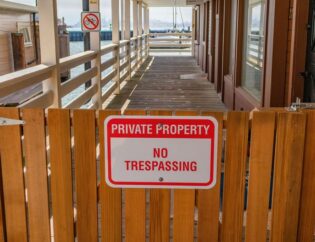
A fence is a key part of a safe yard for pets. It should be tall enough to prevent pets from jumping over and strong enough to prevent escapes. This is particularly important for dogs, who can be very active and may attempt to escape if the fence is not secure enough. We recommend fences that are at least 1.5–2 meters high. It’s also important to avoid fences with large gaps or weak structures through which pets can squeeze. The best options are metal or wooden fences, which not only provide security but also blend well with the landscape.
Expert advice from Ecolandscape Studio: «The fence should not only be beautiful but also functional. We always choose materials and designs that ensure pet safety and match the overall aesthetic of the property.»
Chemicals and Pet Safety
Many pesticides, herbicides, and chemical fertilizers can be harmful to pets. Pets can ingest or come into contact with these substances, which may cause poisoning. We strongly recommend avoiding the use of chemicals on your property if possible. If their use is necessary, choose organic plant protection and fertilizers that are safe for pets. It is also essential to allow chemicals to dry or fully absorb into the soil before letting pets out onto treated areas.
How to Protect Your Garden from Pets
Lawns often suffer from active pets who dig holes, jump around, and relieve themselves on the grass. To minimize damage, we recommend choosing grass varieties that are more resilient to wear and tear, such as ryegrass or zoysia. These grass species can recover even after heavy use. Another solution could be using artificial turf or gravel. These materials are not only pet-safe but are also easy to clean and require little maintenance.
«If your pet frequently uses the lawn, artificial turf or gravel coverings are great solutions. They’re practical, safe, and eliminate maintenance headaches,» says Martin Palma.
To protect the lawn from pet waste, consider designating a specific toilet area for them. This can be a patch with artificial turf, mulch, or special gravel. The key is to get pets used to using this designated area. Toilet zones should be located away from relaxation or garden areas to minimize contact with other parts of the yard. It’s also important to regularly clean these areas with pet-safe disinfectants.
Creating a Comfortable Environment for Pets
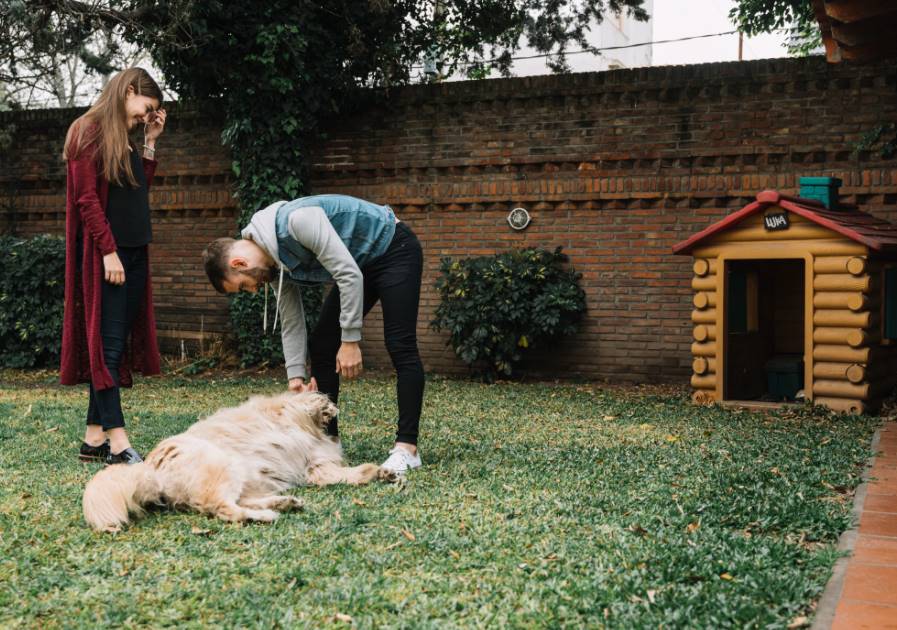
To ensure pets are comfortable outdoors during hot summer days or rainy weather, it is essential to provide shelter from the sun and rain. Trees are a great way to create natural shade, but if your property lacks enough trees, you can install artificial shelters like awnings or dog houses. This will provide pets with a safe place to rest while they wait out the heat or rain.
«Shade and shelters are vital elements of a pet-friendly yard design. We always incorporate them into our projects to ensure pets can relax outside in any weather,» shares Martin Palma.
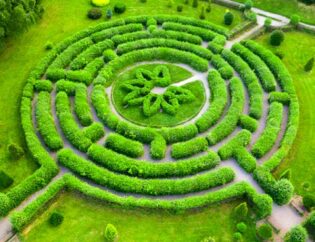
Dogs need space for active play to avoid stress and stay healthy. To preserve the lawn and plants, create designated play zones. For example, a circular running track or a specific play area will help pets entertain themselves and burn energy without damaging the yard. These areas can be used for pet physical activity while keeping them separate from the main parts of the garden.
Designing a yard for pets is not only about aesthetics but also about ensuring safety and comfort. At Ecolandscape Studio, we understand that a yard should be not only beautiful but also functional to provide maximum safety and convenience for pets. We always consider all the details so our clients can enjoy not only the appearance of their garden but also the peace of mind knowing their pets are safe.
«Creating a safe and comfortable yard for pets requires attention and responsibility. At Ecolandscape Studio, we approach each project with care and dedication to ensure your pets can enjoy every moment outdoors,» concludes Martin Palma.