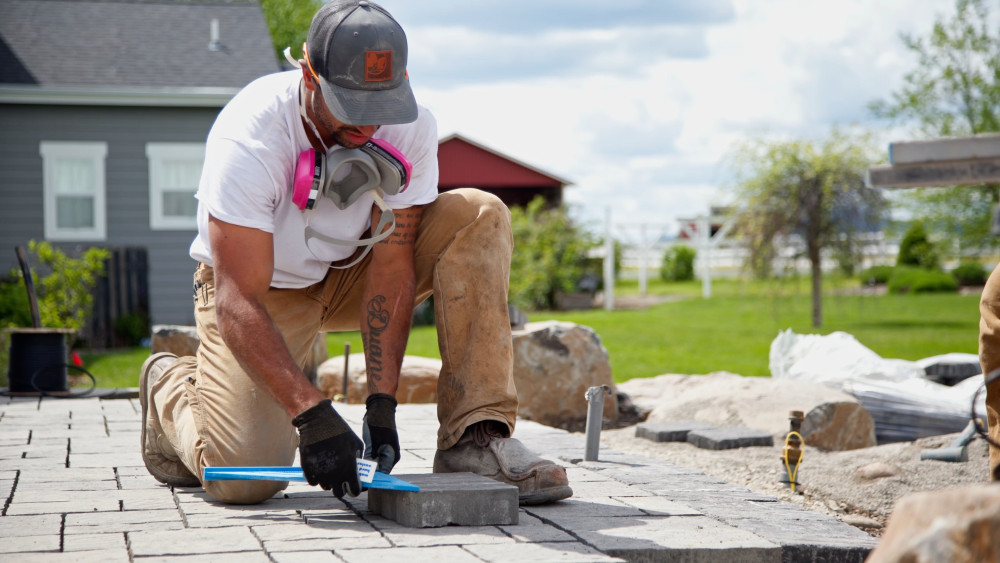
The process of creating a landscape design always requires a certain level of flexibility. During the design phase, we strive to accommodate all of the client’s wishes, but, like any other creative process, changes can arise during implementation. At Ecolandscape Studio, we understand that every detail is important and we are ready to adapt the project to meet the client’s expectations while maintaining overall balance and functionality. But how can we handle these changes correctly to avoid unexpected problems or additional costs? Let’s break it down.
When Changes Are Inevitable
Changes in a landscape design project can arise for various reasons. This may include improvements the client decides to make during the course of the work, new ideas, or the need to adapt to the actual conditions of the site. However, despite the inevitability of changes, it is important to approach them carefully. The sooner you recognize the need for changes, the easier it will be to adapt the project without increasing costs.
It’s important to remember that flexibility and prompt decision-making help our clients avoid unpleasant surprises. It’s crucial to work not only with ready-made solutions but also to be open to new ideas proposed by the contractor.
Working with the Contractor: Communication and Trust
The key to any project is the interaction with the contractor. Maintaining open channels of communication and discussing potential changes at an early stage of construction will help you avoid many unpleasant surprises later on. A positive relationship with the contractor is the foundation of effective project management.
When a contractor offers solutions that may affect the final appearance or cost of the project, it’s important to assess them in terms of both functionality and aesthetics. Proper communication allows for timely project adjustments, ensuring that changes don’t result in significant costs. This approach helps create a balance between the client’s desires and the contractor’s capabilities, ensuring an optimal outcome.
How Changes in Materials and Plants Can Affect the Project
The need to replace materials or plants is a common reason for adjustments during construction. We recommend discussing all options with the contractor in advance and making the final selection of materials before work begins. This will minimize potential changes and provide an accurate cost estimate for the project. Sometimes, the replacement of materials or plants may occur due to their unavailability, climate conditions, or even budget constraints. It’s important to remember that this approach should always focus on maintaining the overall style and functionality.
If the selected materials turn out to be too expensive or unavailable, you can work with the contractor to find more suitable alternatives that fit your budget while not changing the project’s aesthetic appearance. It’s essential that these changes do not affect the overall style of the landscape design.
Replacing plants is another aspect that may come up during the execution of the work. If the plants specified in the project are unavailable, there is no need to worry. You can choose alternative species that will thrive in local conditions. The contractor will help you find ideal plants that not only harmonize with the design but will also grow well on your site.
How to Avoid Issues with Permits
Sometimes changes in the project may require obtaining permits, especially if they involve altering the landscape or adding new elements like water features or additional structures. To avoid delays, always agree in advance with the contractor on who will handle the necessary paperwork. Sometimes, it’s easier to make small adjustments to the project to avoid the need for permits than to spend time and money obtaining them. This will help you avoid delays and reduce the project’s timeline.
Updating the Project Documentation
When significant changes occur during the implementation of the project, it’s important to document all adjustments in the project documentation. This ensures that all project participants clearly understand what changes were made and how they affect the final result. Although updating the project drawings is not always necessary, in the case of major changes, it helps prevent misunderstandings and ensures the accuracy of all actions.
At Ecolandscape Studio, we are always happy to provide free updates to the project documentation if changes need to be made during construction to ensure maximum accuracy and consistency.
Considering Changes During Installation
Some changes, unfortunately, cannot be predicted at the design stage and may arise during the installation process. This could be due to changing site conditions, discovering hidden issues, or the need to adapt the project to new circumstances. It’s important to stay in contact with the contractor so they can reach out to you for additional recommendations and solutions.
To minimize potential problems, it’s essential to discuss with the contractor how these changes will affect the project and what additional costs may arise. It’s important to remember that a good contractor will always suggest solutions that help avoid major budget overruns.
Changes in a landscape project are a natural part of the process and should not be seen as problems. It’s important to understand that flexibility and communication with the contractor help avoid unpleasant surprises and make the construction process more effective and enjoyable. The key is to identify the need for changes early on and make timely adjustments so that the project remains within budget and the required timeframes.
As Martin Palma, founder and CEO of Ecolandscape Studio, stated, «The landscape design process is always open to adjustments. We help our clients not only realize their dreams but also adapt the design to real-world conditions so that the result fully meets their expectations.»









