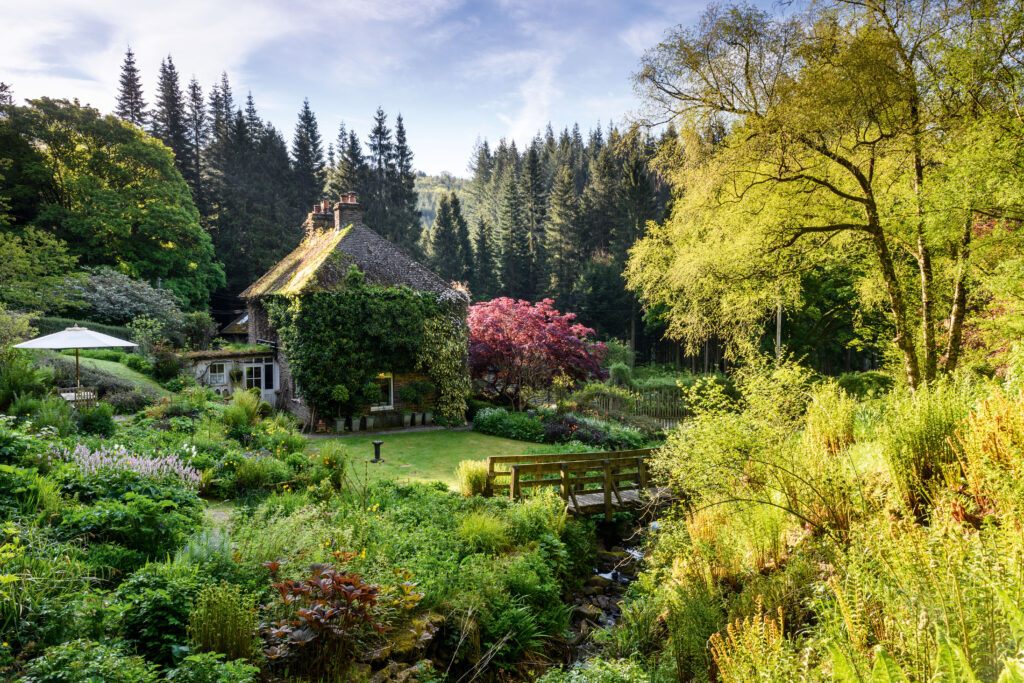
A natural garden is a living space that develops in harmony with nature. Creating such a garden requires a special approach, using local plants and natural materials, with minimal human intervention. At Ecolandscape Studio, we believe that nature itself is the best designer, and our task is to create conditions for interaction with it. In this article, we share recommendations for creating a natural-style garden that will delight the eye and require minimal maintenance.
Natural Style: Key Principles
Designing a natural-style garden begins with understanding that nature already offers the perfect landscape. The main principle of this style is minimal intervention, maintaining natural balance, and using materials that harmonize with the surrounding environment.
The first thing to consider when designing a natural garden is the use of the existing features of the site. By working with natural elements such as relief, soil, and climate, a sustainable ecosystem can be created that develops without constant human intervention. The second principle is the use of native plants. These plants adapt better to the climatic conditions, require less care, and help maintain ecological balance. This contributes to preserving biodiversity and the natural order of the site.
Key Steps for Creating a Natural-Style Garden
Initially, it is important to analyze the site. Instead of altering it, one should understand its characteristics and use them in the design. This approach preserves the balance of the ecosystem and helps avoid unnecessary costs. We always start with site analysis to understand which elements can be preserved and which should be emphasized.
One of the most important aspects of a natural garden is the use of native plants. These plant species are perfectly adapted to the climatic conditions and require minimal care. They are resistant to pests and diseases, as well as supporting ecological balance by creating a self-regulating ecosystem.
A natural garden requires the rejection of chemical fertilizers and pesticides. Instead, organic methods of soil improvement, such as composting and mulching, should be used. These methods are safe for the ecosystem and help maintain the health of the soil and plants for many years.
An important part of the design of a natural garden is the use of natural materials such as stone, wood, gravel, and mulch. These materials help maintain proper drainage, strengthen the structure of the soil, and create harmony with nature. We always choose materials that are not only aesthetically pleasing but also functional, helping to create durable and environmentally safe elements for the garden.
Garden Element Design
For a natural garden, it is important to use coverings that harmonize with the landscape. Instead of asphalt or concrete, it is better to choose stone, gravel, or bark. These materials create natural transitions between different zones and do not disrupt the site’s relief. They also promote proper drainage, preventing water stagnation.
The color palette of a natural-style garden should be restrained and natural. Dominant colors should include greens, browns, golden, and gray shades, which will not contrast with the surrounding nature. Bright and saturated colors are better left for individual accents, and the main color of the garden should be those that harmonize with the landscape.
Creating smooth transitions between garden zones is an important design element in a natural style. Each zone should flow into the next, creating smooth lines and ensuring natural harmony. Sharp boundaries and symmetry are not welcome in this style. The natural garden is built on asymmetry and random, yet harmonious combinations.
Lawns and Water Features in a Natural Garden
In a natural-style garden, lawns should not be the central element. Instead of creating a traditional flat lawn, it is better to opt for a Moorish lawn or leave an area with native grasses that look natural and require minimal care. Such lawns fit into the overall concept of the garden and do not distract from the main elements.
Water features in a natural garden should be as natural as possible. Geometrically correct shapes or artificial structures such as fountains are not suitable for such a garden. It is best to choose a water feature with uneven shores, natural transitions, and living plants that create a sense of naturalness. The water feature should be part of the ecosystem, not just a decorative element.
Benefits of a Natural-Style Garden
A natural-style garden is beautiful and beneficial. It requires minimal care and adapts better to weather changes. Here are a few key benefits of such a garden:
- Less Maintenance: A natural garden does not require frequent watering, mowing, or pest control. This reduces expenses and effort for maintenance.
- Sustainability: Native plants used in a natural garden are resistant to climate changes and external factors such as drought or frost.
- Ecological Sustainability: A natural garden supports biodiversity, improves soil quality, and helps restore natural ecosystems.
A natural-style garden is a way to create a sustainable, beautiful, and environmentally friendly space that will bring you joy for many years. At Ecolandscape Studio, we will help you design a garden that will harmoniously blend into nature and support its balance. By creating a natural-style garden, you are not just creating a space for relaxation, but an entire ecosystem that will delight you throughout the year and require minimal maintenance.









