In today’s world, where constant stress, information overload, and the fast pace of life have become inseparable parts of everyday life, creating spaces for emotional healing is gaining increasing significance. Landscape design, which was once viewed purely as an aesthetic arrangement, is now seen as a powerful tool for maintaining psycho-emotional health. At Ecolandscape Studio, we believe that a well-designed garden or courtyard not only pleases the eye but also positively influences emotional well-being. In this article, we will share how landscape design can be the key to harmony, relaxation, and recovery.
Why is Emotional Healing through Landscape Design Important?
Numerous studies show that spending time in green spaces and connecting with nature have a profound impact on our psycho-emotional state. For example, research by the American Psychological Association (APA) highlights that walks in natural areas can reduce stress levels, decrease anxiety, and improve mood. These findings emphasize the importance of creating a favorable environment not only in residential spaces but also in garden areas, yards, and courtyards. While artificially created relaxation zones help unwind, it is nature that can offer deeper harmony and the restoration of inner balance.
Martin Palma, founder and CEO of Ecolandscape Studio, always emphasizes the importance of this approach: «We don’t just create beautiful gardens. We design spaces that help people recharge, find harmony with themselves, and find peace with nature.» Natural elements in landscape design are not just decorations, but tools for emotional healing.
How Landscape Design Helps Create Spaces for Emotional Healing
To create a space that fosters emotional healing, it’s essential to carefully select materials, plants, and forms. Landscape design should not only be visually appealing but should also provide a sense of calm, comfort, and harmony. At Ecolandscape Studio, we always pay attention to how each tree, shrub, flower, and landscape element can influence the internal perception of the space. Let’s look at a few key aspects that help us create such environments.
Natural materials like stone, wood, and water play an important role in creating harmony. For instance, stone paths, ponds, or streams integrated into the garden are not only visually attractive but also contribute to creating an atmosphere of tranquility. Water, especially the sound of a fountain or a stream, helps reduce stress levels and promotes relaxation. We always choose natural elements to ensure our garden becomes part of the natural surroundings, not a separate feature.
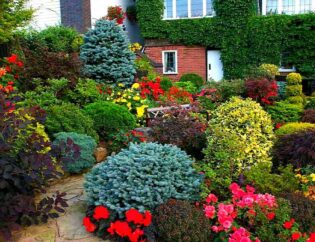
Color is another crucial element in landscape design. Soothing shades of green, blue, or gray create a sense of comfort, calm, and relaxation. Bright accents, such as orange and yellow plants, can add joy and enliven the space, but it’s important to use them sparingly to avoid overwhelming the perception. We always carefully select the colors of plants to create a balance between calm and bright tones, which fosters harmony and inner equilibrium.
In addition to colors, fragrant plants like lavender, rosemary, and jasmine are key landscape elements. Their scents not only make the space more pleasant but also have a beneficial impact on psycho-emotional health by reducing stress and enhancing mood. Aromatherapy is a powerful tool for restoring internal balance, and we often include such plants in our designs to improve well-being.
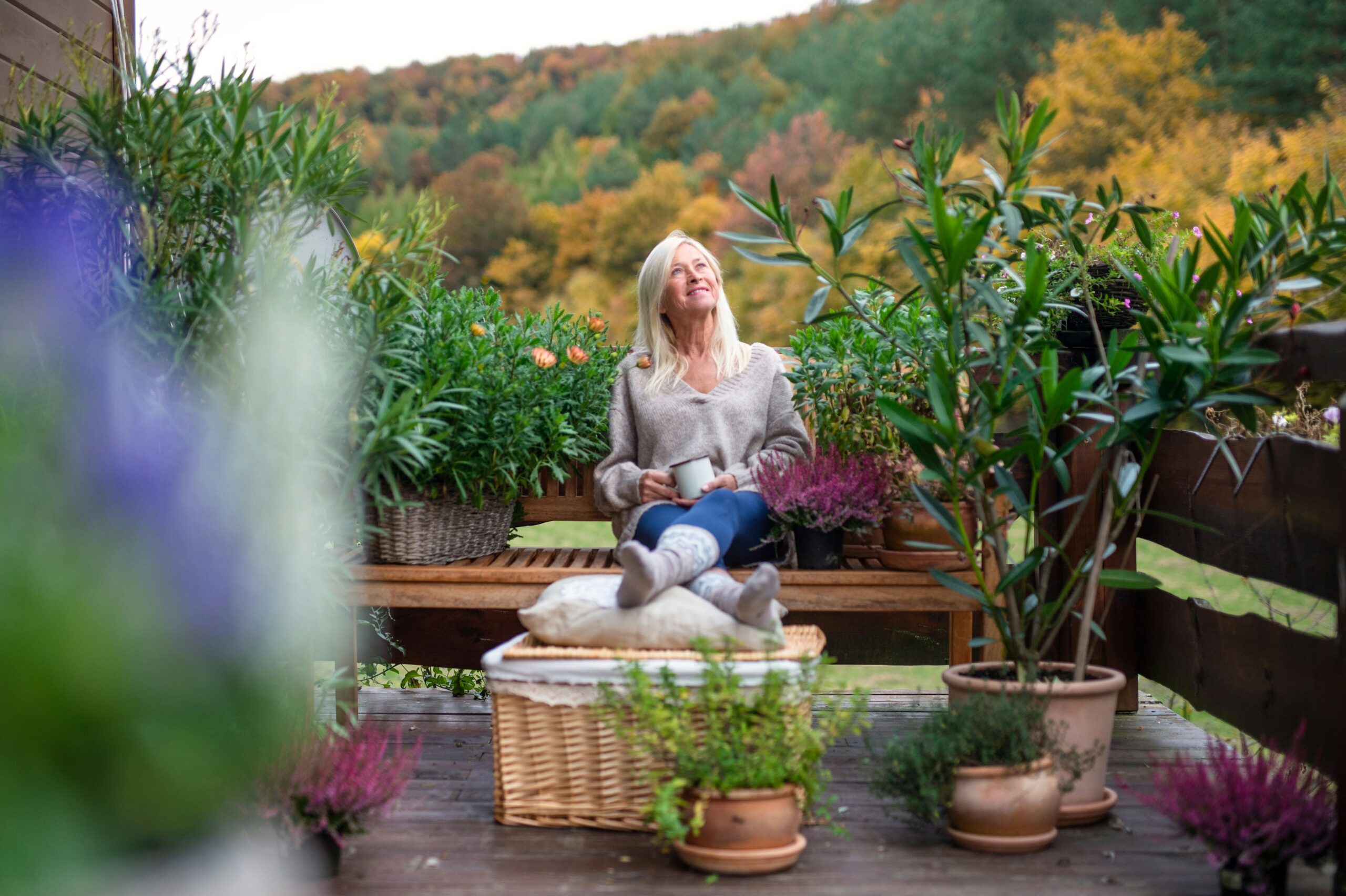
An equally important element is the creation of private corners. Psychologists have long proven that personal spaces for relaxation and recovery are essential for emotional health. In our approach to landscape design, we always incorporate quiet zones that allow individuals to be alone, unwind, and recharge. These areas may be equipped with comfortable chairs surrounded by plants, or they may be hidden from view for maximum privacy.
The Impact of Water Elements on Emotional Health
The influence of water in landscape design should not be underestimated. Numerous studies confirm that water features in gardens help reduce stress and improve psycho-emotional well-being. The sounds of water — whether it’s the babbling of a stream, the rustling of fountains, or the gentle waves of a pond — have a calming and relaxing effect. Including water elements in the landscape not only enhances its appearance but also creates an atmosphere of tranquility, which is an important aspect of emotional healing.
Why it’s Important to Choose the Right Plants
Greenery in landscape design plays a key role not only in terms of aesthetics but also in emotional impact. Plants with soothing scents and textures, such as lavender, mint, or rosemary, can significantly improve mood and promote a sense of well-being. They not only purify the air but also help people relax, reduce anxiety, and stress. We always recommend using native plants, as they are better adapted to the climate and create a natural atmosphere that fosters inner harmony.
Recommendations from the Experts at Ecolandscape Studio
- Create relaxation and private spaces: Rest and meditation corners help recharge and enjoy time in nature. They reduce stress and contribute to emotional healing.
- Use natural materials: Stone, wood, and other natural materials create harmony with the surrounding landscape and help establish a cozy space for relaxation.
- Add water features: The sound of water helps relax and improve emotional well-being.
- Choose fragrant plants: Lavender, rosemary, and jasmine have a calming effect and help create a relaxing atmosphere.
Landscape design aimed at emotional healing is becoming an important part of creating comfortable and harmonious spaces. It is important to remember that every element — whether it’s a plant, a path, or a water feature — should be chosen with its impact on our psycho-emotional state in mind. At Ecolandscape Studio, we are convinced that the right design approach can make your garden not only beautiful but also a place for recovery, harmony, and inner peace. By creating such spaces, we aim not only to improve the appearance of your property but also to help you feel better by taking care of your well-being.