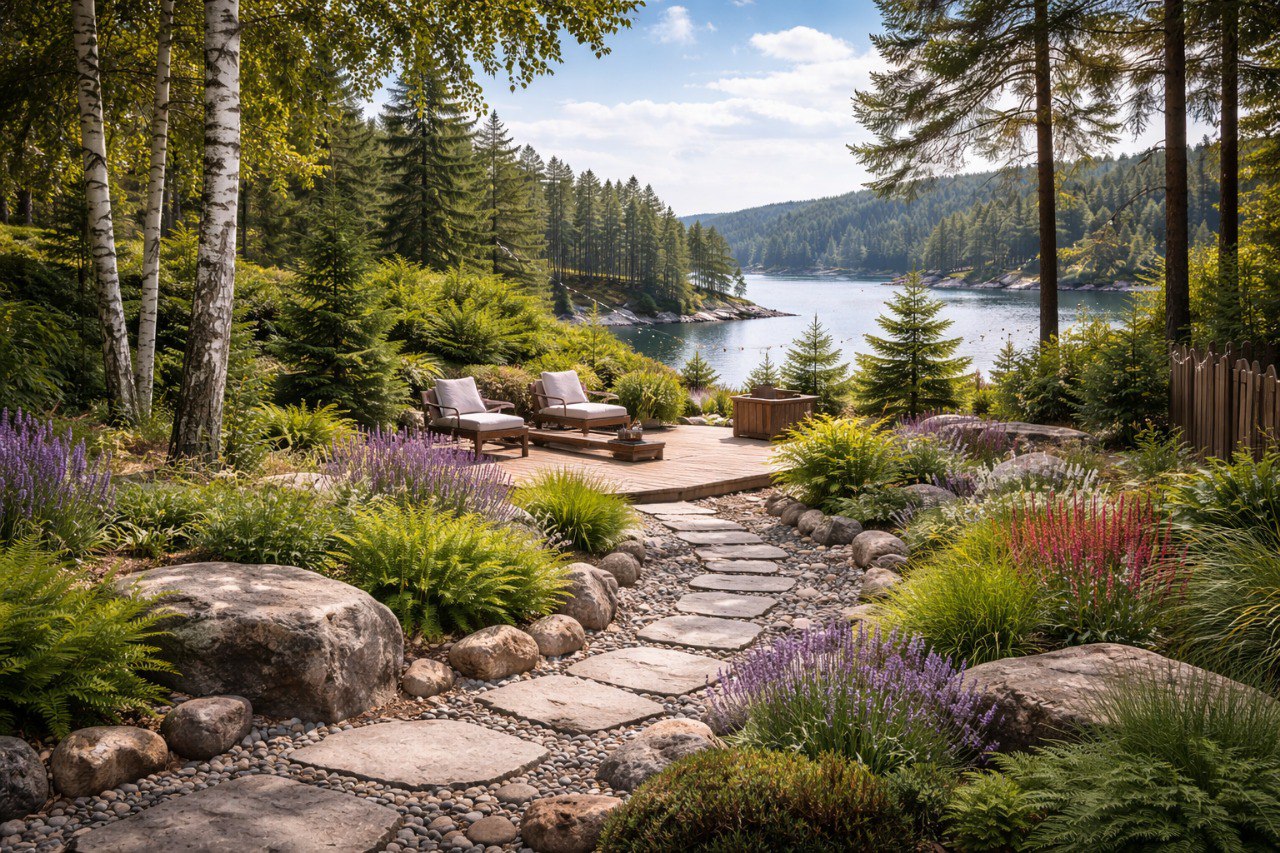
Scandinavian style in landscape design combines minimalism, functionality, and closeness to nature. It is perfect for arranging and greening your property, creating a harmonious and cozy space in your yard. At the Ecolandscape Studio blog, we share practical recommendations and tips to help you create a Scandinavian garden with a thoughtful yard design and beautiful landscaping.
Natural Harmony and Functionality
The main principle of a Scandinavian landscape is harmony with nature and functionality. Every element of the garden should be practical and organically fit into the overall layout of the property. Scandinavian style values minimalism: there are no unnecessary decorative details, but there is a strong focus on practicality and comfort.
Martin Palma, founder and CEO of Ecolandscape Studio, emphasizes: “Scandinavian style is a philosophy where the beauty of the garden is combined with its functionality. It is important that every element of the landscape design serves a practical purpose and creates a harmonious living space.”
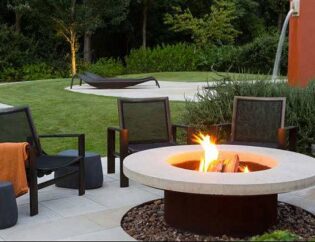
Arranging a property in Scandinavian style involves creating relaxation zones, pathways, and greenery that make the yard design both convenient and aesthetically appealing.
Plants for a Scandinavian Landscape
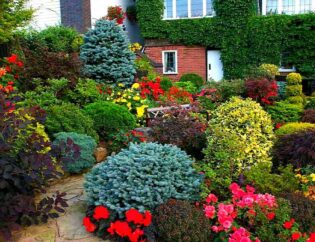
Scandinavian landscape design focuses on plants that thrive in cold climates and endure long winters. Coniferous trees such as pine, spruce, and thuja form the foundation of the garden and maintain their decorative appearance year-round. These plants protect the property from wind, provide a natural backdrop, and support the overall harmony of the landscape.
Perennials and ornamental grasses, including lavender, irises, and various grasses, add texture and color, adapt easily to climate changes, and complement the property’s greenery. Ferns and astilbes are ideal for shaded areas, creating the effect of a forest nook in your yard.
Deciduous trees, such as birch or aspen, and shrubs like juniper and blueberry add variety in shapes and shades. They organically fit into the Scandinavian yard design, creating a harmonious combination of coniferous and deciduous plants. At Ecolandscape Studio, we recommend a carefully planned mix of plants to create a visually attractive and low-maintenance garden.
Natural Materials in a Scandinavian Garden
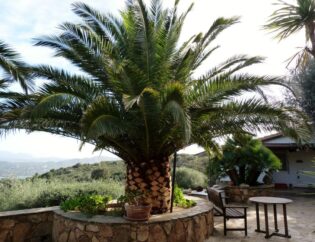
The use of natural materials is an important part of Scandinavian landscape design. Stone, wood, and gravel blend harmoniously with the natural environment and create a cozy atmosphere. Stone pathways and borders are not only beautiful but also durable. Gravel helps with drainage, prevents soil erosion, and decoratively outlines planting areas.
Wooden elements, such as benches, pergolas, and fences, add warmth and comfort to the yard design. When choosing wood and stone for landscaping, it is important to consider not only appearance but also the durability of the materials. In the Ecolandscape Studio blog, we share tips on selecting materials to balance practicality and aesthetics.
Principles of Creating a Scandinavian Garden
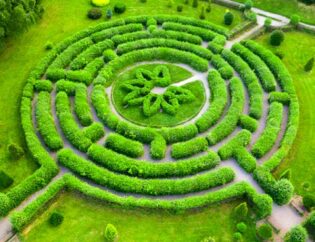
When creating a Scandinavian garden, it is important to follow three main principles: minimalism, functionality, and sustainability. Minimalism preserves open spaces and avoids overloading the property with decorative elements. Functionality involves thoughtful planning of every zone: pathways are convenient for movement, and relaxation areas are comfortable for family and guests.
Sustainability includes choosing plants and materials that can withstand the climate of your region. This makes the garden not only beautiful but also long-lasting. Landscaping becomes easier and requires less maintenance, which is especially important for owners of country homes.
How to Implement Scandinavian Garden Ideas
To create a Scandinavian landscape, start by selecting plants suitable for your climate. Coniferous trees form the foundation, perennials and ornamental grasses add color and texture, and deciduous trees and shrubs create a variety of shapes and shades.
Natural materials, such as stone, gravel, and wood, will help make pathways, relaxation areas, and small architectural elements durable and harmonious. When planning, consider functional zones for relaxation, gardening, and landscaping, leaving enough open space for sunlight.
It is important to maintain simplicity and order in the landscape design so that your Scandinavian garden looks spacious, harmonious, and cozy.
Scandinavian style in landscape design combines beauty, functionality, and natural harmony. It is suitable for any property, from small cottages to large country homes. Using natural materials and climate-resilient plants allows you to create a garden that brings joy year-round and requires minimal maintenance.
Martin Palma, founder and CEO of Ecolandscape Studio, notes: “The main goal of Scandinavian design is to create a space that brings joy, calm, and harmony with nature. Every element of the garden should be alive, functional, and beautiful.”
At the Ecolandscape Studio blog, we share expert advice on landscape design, property arrangement, landscaping, and yard design. By following our recommendations, you can create a unique Scandinavian garden that reflects your lifestyle and love of nature.