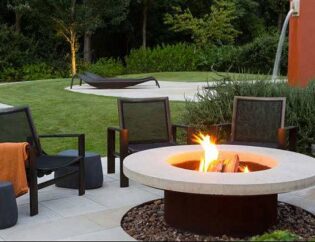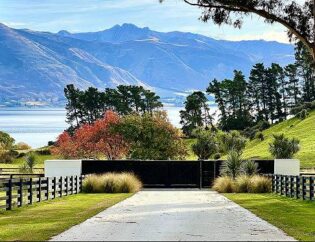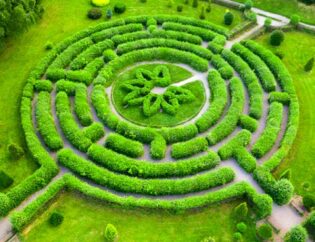
In landscape design, harmony between all elements whether plants, stones, or other natural materials is crucial. Stones, with their versatility and natural beauty, play a key role in creating landscape compositions. When combined with flowers and shrubs, stones not only create visually appealing transitions but also improve the functionality of the garden, highlighting its natural charm.
As Martin Palma, the founder and CEO of Ecolandscape Studio, mentioned, “Stones in landscape design are not just decorative elements. They become an integral part of the landscape, blending harmoniously with nature, creating transitions, and helping maintain the garden’s ecosystem.”
The Role of Stones in Landscape Design
Stones serve several purposes in landscape design. Beyond their aesthetic value, they play an important role in structuring space and helping regulate the garden’s microclimate. Stones are used to create terraces, retaining walls, as well as forming paths and driveway breaks.
Stones also help maintain soil structure, improving drainage, preventing erosion, and supporting healthier soil. Additionally, they provide shelter for various animals and insects, which contributes to preserving the garden’s ecosystem.
How Stones Help Create Smooth Transitions
One of the main aspects of working with stones in landscape design is their ability to create smooth transitions between different garden zones. When placed correctly, stones can connect areas that would otherwise appear disconnected.
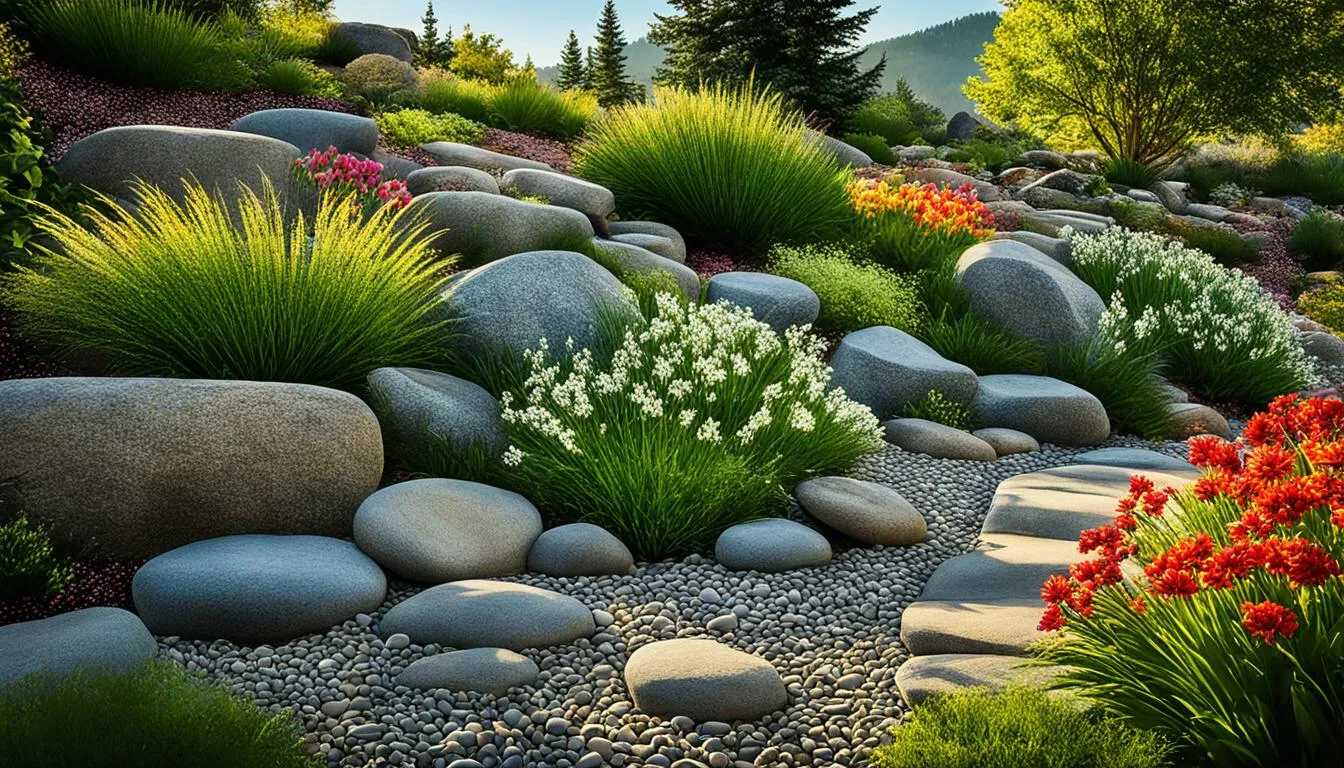
The use of stones in compositions helps form natural boundaries between flower beds, lawns, and other garden areas. Stones can be large boulders or fine gravel, but the key is their free and organic placement so that they blend seamlessly with plants and do not disrupt the garden’s natural rhythm.
Stones and Landscape Design Style
The choice of stones and plants depends on the landscape design style you prefer. Stones can be used in various styles, from Japanese gardens to more modern minimalist solutions.
In Japanese gardens, stones symbolize mountains, islands, or other natural elements. They can be arranged to create harmony and tranquility. In country-style gardens, stones are often used to form paths and create natural barriers that blend with flowering plants.
In modern landscape design, stones are used to create clean, geometric shapes that emphasize minimalism and simplicity. These elements may include straight path lines, framing for flower beds, or even accent stones that highlight important garden areas.
Environmental Sustainability of Stones
When it comes to landscape design, it is important to consider environmental sustainability. The use of stones in gardens helps improve soil structure and enhances drainage, which is vital for maintaining plant health. Stones not only prevent erosion but also help retain moisture in the soil, which is especially important for arid regions.
Furthermore, stones help create a sustainable ecosystem. They provide shelter for small animals and insects, creating space for the development of beneficial microorganisms that improve soil quality. Stones also help regulate the microclimate, providing plants with more stable growing conditions.
Stones and Landscape Maintenance
For floral compositions with stones and plants to look natural and attractive, proper maintenance is essential. Stones should be cleaned from dirt and moss, especially if used in water features or wet areas. Maintaining their cleanliness will preserve their appearance and prevent excess moisture from accumulating.
The plants in such compositions require regular care to prevent them from «covering» the stones or disrupting their harmonious arrangement. Some plants, such as ground covers or low-growing varieties, are ideal for stone compositions as they do not overshadow landscape elements but rather highlight their natural beauty.
Practical Tips from Ecolandscape Studio
At Ecolandscape Studio, we always pay attention to every element of the landscape. Creating floral compositions with stones is not only an art but also a process that requires attention to detail. Here are some of our recommendations:
- Choose stones that match your garden’s style. Stones should harmonize with the plants and accentuate their beauty, not distract from them.
- Don’t overload the composition. Use stones to create accents, but don’t saturate the area with them. It’s important that each element has its place.
- Consider climatic conditions. For hot and arid regions, choose stones that retain heat, as well as drought-tolerant plants.
Create smooth transitions. Stones and plants should flow into one another, forming natural lines and curves. Avoid harsh, straight lines unless they are part of your design.
Flower arrangements with stones are a powerful tool for creating beautiful and functional landscape solutions. Stones, along with plants, help create smooth transitions, improve soil structure, and add natural accents to the garden. It is important to remember that stones and plants must work in harmony, complementing each other to create a unified space.
As Martin Palma said, “Stones are not just decorative elements; they form the foundation for creating a sustainable, eco-friendly, and aesthetically pleasing garden. Proper use of stones in landscape design helps create a space that will be a delight to the eye for many years.”
At Ecolandscape Studio, we are ready to help you create a garden that is not only beautiful but also functional. We offer customized solutions to help you achieve harmony between all elements of your landscape.