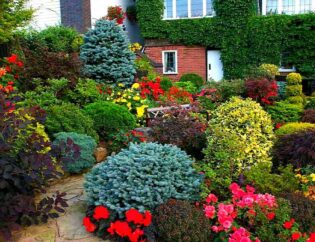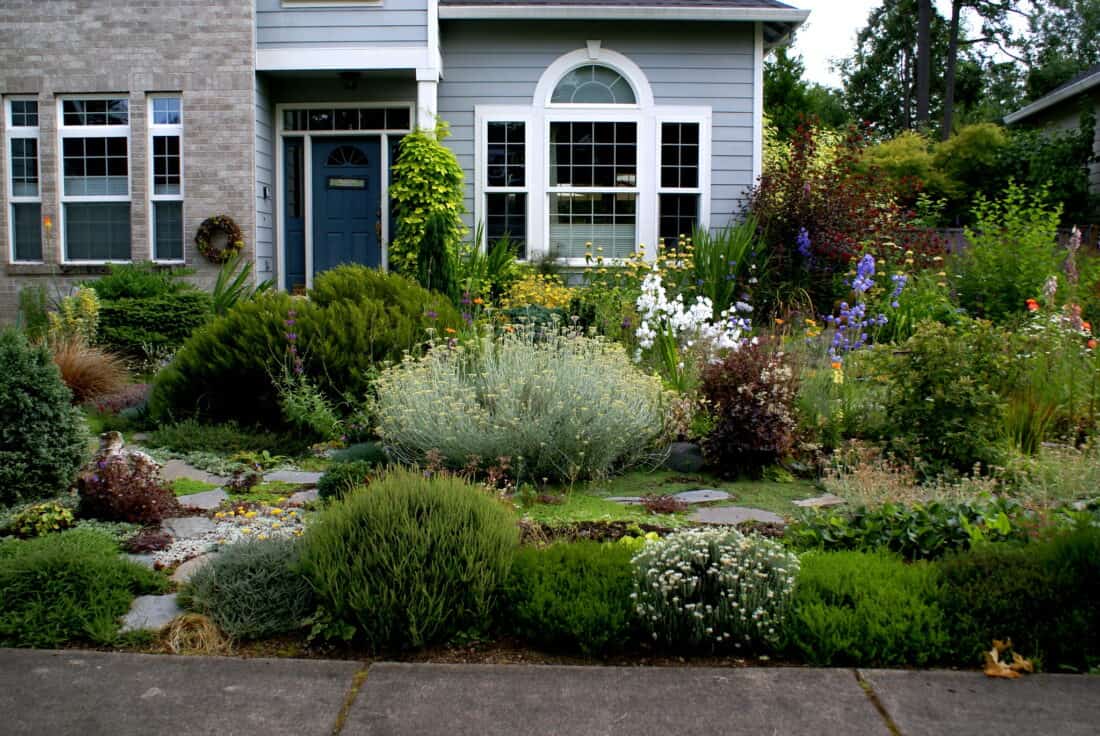
Every year, more and more people are choosing to give up artificial lawns in favor of more sustainable and eco-friendly solutions, such as textured gardens. This trend in landscape design not only meets current environmental requirements but also allows the creation of unique spaces that blend harmoniously with the natural surroundings. At Ecolandscape Studio, we firmly believe that textured gardens are the future of sustainable landscape design, and we are happy to share our recommendations with you.
Why You Should Give Up Traditional Lawns
Artificial lawns may be attractive and easy to maintain, but they have many ecological drawbacks. These coverings do not allow air and water to pass through, disrupting natural soil processes, which deteriorates its structure and prevents proper water exchange. In contrast, textured gardens promote soil restoration, improve its water retention capacity, and prevent erosion. Native plants often used in such gardens play a key role in restoring ecosystems by enhancing soil quality and supporting its health. They also create a more diverse environment for various plant and animal species.
Moreover, textured gardens significantly reduce water consumption, which is particularly important in the face of global climate change. Lawns require frequent watering, especially during summer months, leading to significant water waste. In textured gardens, drought-resistant plants can be used, which adapt well to local conditions. The use of organic materials such as wood chips or gravel helps retain moisture in the soil, reducing the need for watering. This is not only an environmentally friendly solution but also helps homeowners save on operational costs.
In addition, textured gardens offer far more aesthetic possibilities than traditional lawns. While lawns can be beautiful, they often look monotonous and require regular care, making them less attractive in the long run. Textured gardens, on the other hand, provide a rich variety of textures, colors, and shapes, creating more interesting and dynamic landscape compositions. The use of tall ornamental grasses, shrubs, ground cover plants, and stones allows for the creation of layered structures that change with the seasons, adding diversity and vibrancy to the landscape.
How to Create a Textured Garden without an Artificial Lawn?
One of the most important aspects of designing a textured garden is choosing native plants that are naturally adapted to your region’s climate and soil. These plants require minimal care and contribute to ecosystem restoration. Native species have excellent self-regulating abilities, which reduces the need for chemical fertilizers and pesticides. It is essential to choose plants that will thrive in your region’s conditions, such as lavender, thyme, or sage, as they are not only beautiful but also attract pollinators like bees and butterflies, helping to support biodiversity.
Ground cover plants are often used to replace lawns, as they quickly fill in the space and help prevent weed growth. These can include periwinkle, fescue, or lungwort, which are not only aesthetically pleasing but also help retain moisture in the soil, improve its structure, and prevent erosion. These plants can be effectively combined with other species, creating a living natural fabric that will delight the eye all year round.
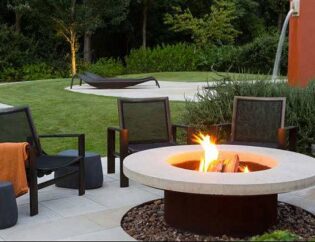
The use of natural materials in landscape design also plays an important role in creating textured gardens. Stones, gravel, wood chips, and other natural elements help add texture and depth to the garden while solving practical tasks. Stone paths and borders not only enhance the appearance of the garden but also contribute to proper water drainage, preventing waterlogging. Such materials can be used for zoning, creating accents, or organizing convenient pathways. This improves both the aesthetic and functional aspects of the design.
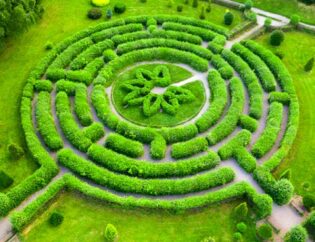
Special attention should be paid to layered compositions, which add visual depth and dynamism. For example, combining tall ornamental grasses with low ground-cover plants creates an interesting contrast and gives the garden a multi-dimensional quality. Combining various textures and forms of plants, such as decorative shrubs and perennials, allows for the creation of a harmonious and lively space that will change with each season. At Ecolandscape Studio, we use this principle to create unique gardens that look appealing all year round, thanks to the constant changes in textures and forms.
Personal Opinion of Martin Palma, Founder of Ecolandscape Studio
«When I first started working in landscape design, I actively used artificial lawns, thinking they were convenient and versatile. However, as I gained experience and became more aware of environmental issues, I realized that traditional lawns have many disadvantages, especially in terms of sustainability and impact on nature. We began to implement textured gardens, which are not only aesthetically pleasing but also support natural biodiversity, reduce the need for chemicals and water. Today, we at Ecolandscape Studio are proud to offer our clients solutions that align with the principles of sustainable development and environmental awareness.»
Advantages of Textured Gardens
One of the key benefits of textured gardens is their minimal maintenance. Unlike lawns, which require regular mowing, watering, and fertilizing, textured gardens are much less demanding. The use of perennial plants such as grasses, shrubs, and vines creates a self-sustaining ecosystem that significantly reduces the need for constant maintenance. This makes them not only more eco-friendly but also economically advantageous in the long term.
Textured gardens also help maintain healthy biodiversity. Unlike uniform lawns that do not support wildlife, these gardens create optimal conditions for local species, such as bees, butterflies, and small animals that find shelter in these gardens. This contributes to ecosystem restoration and the maintenance of the natural balance.
Moreover, textured gardens look far more attractive and vibrant than traditional lawns. They allow for the creation of dynamic landscapes that change with each season while retaining their beauty and interest. This approach to landscape design helps homeowners create unique and natural spaces that will delight the eye at any time of year.
The refusal of traditional lawns in favor of textured gardens is not only a trend but a necessity driven by current ecological challenges. At Ecolandscape Studio, we are convinced that textured gardens are the future of landscape design, helping to create sustainable and beautiful spaces. If you want to transform your plot into an eco-friendly, beautiful, and easy-to-maintain garden, contact us. We will be happy to offer you the best solutions for your landscape that will meet all your needs and desires.