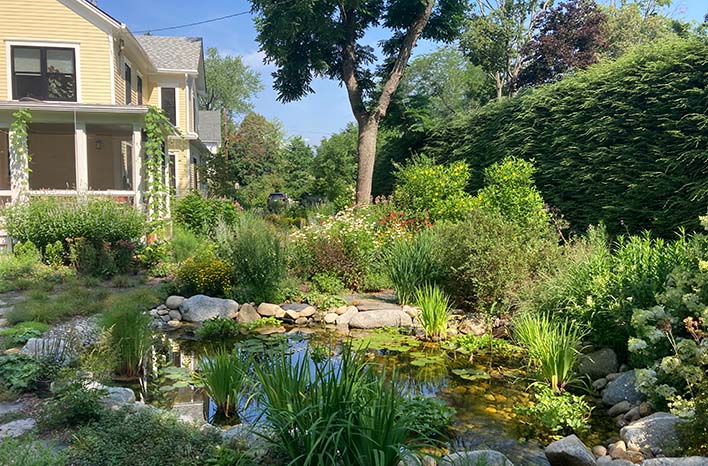
At Ecolandscape Studio, we view the garden as a living space that must work in harmony with the surrounding nature. Landscape design focused on ecological sustainability and adaptation to local conditions has become a necessity. This approach helps conserve natural resources and creates harmonious and resilient spaces that maintain a balance with the ecosystem. In this article, we will share how to adapt a garden project to geographical features, based on professional recommendations and the latest research in ecological landscape design.
Martin Palma, Founder and CEO of Ecolandscape Studio, notes: “Every project starts with understanding how it will interact with the natural environment. We always consider the climate, soil, terrain, and other factors to create a sustainable space that brings benefit and enjoyment, while maintaining harmony with the surrounding world.”
Geographical Adaptation in Landscape Design: The Impact of Natural Conditions
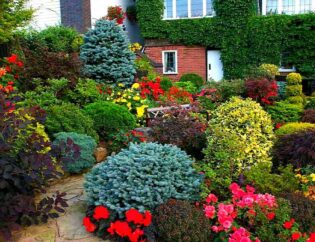
The foundation of a successful landscape project lies in the correct understanding and use of the natural conditions of the site. This includes analyzing climate factors, soil type, and terrain, which directly affect plant selection and structural elements. It is important to remember that every site is unique, and creating a resilient garden requires an individual approach. For example, climate conditions play a key role in plant selection: in colder regions, frost-resistant plants such as conifers and hardy shrubs are preferred, as they can withstand sharp temperature fluctuations typical of the winter period.
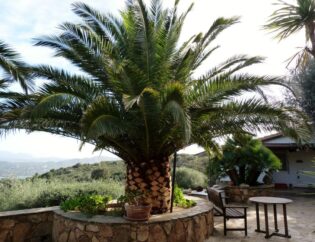
For warmer and drier climates, drought-resistant plants such as lavender, agaves, cacti, and other succulents are ideal. These plants have a unique ability to store moisture in their tissues and can withstand long periods without rain, reducing the need for irrigation and maintenance. Research shows that using such plants in landscape design can reduce water consumption by up to 70%, which is an important factor for garden sustainability in the context of global climate change.
Soil type is also significant when designing a garden. In areas with clay soils, which poorly drain water, plants that thrive in high moisture conditions should be used. Species like irises, astilbes, and lobelias are perfect for such sites. In contrast, sandy soils, which lose moisture quickly, require plants with deep root systems, such as conifers and perennials like echinacea or sage. Selecting the right plants for a specific soil type helps minimize the need for fertilizers and increases the overall resilience of the garden to external impacts.
The terrain of the site also has a significant impact on creating a sustainable garden. Areas with elevation changes require special attention to drainage and water diversion. Improper drainage can lead to soil erosion and flooding, so it is important to design systems for retaining and redistributing water. The creation of cascading ponds, terraces, and special drainage channels helps preserve natural processes and prevents water from flooding plants. On sites with low water levels, aquatic plants such as reed and sedge should be used, which not only beautify the garden but also help clean the water, aiding in the restoration of the ecosystem.
Why It’s Important to Use Native Plants
Native plant species are the foundation of sustainable landscape design, as they are best adapted to the climate, soil, and ecosystem of the region. Unlike invasive species, which can threaten local biodiversity, native plants support natural cycles, creating conditions for local animals and insects to thrive. They require minimal maintenance and also have natural resistance to diseases and pests, reducing the need for pesticides and chemical fertilizers.
Using native plants not only helps preserve the natural balance but also aids in ecosystem restoration. Many plant species attract insects and birds, which play a key role in pollination, thus increasing yields and maintaining the diversity of flora and fauna. In many regions, native species are used to create natural protective zones, such as living hedges, which not only limit access to the garden but also protect it from winds and other climatic factors.
This is particularly important when creating water-efficient and drought-resistant gardens. In the face of global climate change, when many regions are experiencing water shortages, using drought-resistant plants such as cacti, succulents, and lavender can significantly reduce water consumption. It also helps preserve natural water bodies and reduces the load on irrigation systems.
Ecological Benefits of a Sustainable Garden
By designing a garden with consideration for geographical conditions and the ecosystem, one can not only create an attractive space but also make a significant contribution to nature conservation. Sustainable gardens help improve air and water quality and support the preservation of biodiversity. Such gardens require fewer chemical fertilizers and less water, which reduces the burden on the environment and promotes the protection of ecosystems.
Moreover, sustainable gardens help reduce the carbon footprint. When designing a sustainable landscape, it is important to use eco-friendly materials and technologies. For example, using compost instead of chemical fertilizers, installing solar panels for garden lighting, and implementing rainwater harvesting systems for irrigation help reduce carbon emissions and increase ecological efficiency.
Creating a garden using native plant species also helps preserve natural species, many of which are endangered. Native plants typically support healthy soil and ecosystems, attracting local animals and insects, thus contributing to the restoration of natural cycles and maintaining biodiversity.
Martin Palma’s Opinion on the Importance of Ecological Adaptation in Gardens
Martin Palma, Founder of Ecolandscape Studio, emphasizes: “Every project requires a thoughtful approach and customization to integrate the garden into the ecosystem and minimize its impact on nature. We understand that sustainability is a necessity. Our projects are always aimed at creating spaces that not only provide aesthetic enjoyment but also maintain the natural balance.”
Creating a garden that harmoniously integrates with nature requires considering many factors: climate conditions, soil type, terrain, and plant selection. It is important to approach garden design with ecological sustainability in mind, choosing native plants, minimizing water and chemical fertilizer usage, and taking into account natural processes such as water exchange and biodiversity conservation.
At Ecolandscape Studio, we are always ready to provide expert recommendations on creating sustainable landscape solutions that will enhance your property and work in harmony with nature.