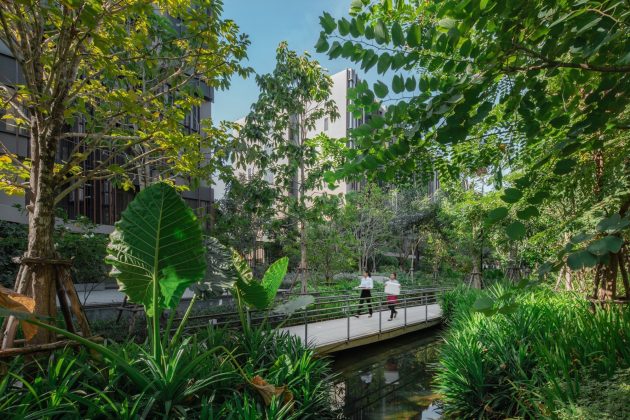
Modern cities are facing the challenge of a lack of green spaces where people can relax, recharge, and find inner peace. In the context of the fast-paced urban life, it is important to create not only aesthetically pleasing but also psychologically beneficial spaces. At Ecolandscape Studio, we believe that landscape design should not only be beautiful but also contribute to psychosocial health. In this article, we will explain how to properly design public parks that can positively influence the mental and emotional well-being of urban dwellers and share our experience and recommendations.
The Impact of Landscape Design on Psychosocial Health
Natural elements have a powerful influence on human perception. Spending time in green spaces helps reduce stress, improve mood, and restore energy. According to research in ecopsychology, natural landscapes can become a powerful tool for restoring emotional balance and combating anxiety. At Ecolandscape Studio, we actively apply this principle in our work, designing parks that not only beautify the city but also positively affect the mental and emotional state of residents.
Public spaces should be thoughtfully planned to combine functionality with natural elements. This creates not only a beautiful environment but also a beneficial atmosphere for recovery. It is important to remember that the correct use of greenery, water features, materials, and space zoning can significantly impact the quality of life in a city.
How to Create Public Parks That Promote Restoration
Designing psychosocially beneficial public spaces requires attention to detail and care for every element. Here are a few key aspects to consider when designing such parks.
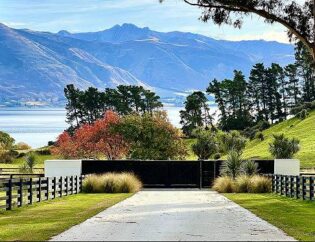
Plants are one of the most important elements of landscape design when it comes to creating harmony and psychological comfort. The use of trees, shrubs, and flowers helps create spaces that are not only pleasing to the eye but also have a calming effect on the mind. Natural zones with greenery contribute to stress reduction and mood enhancement.
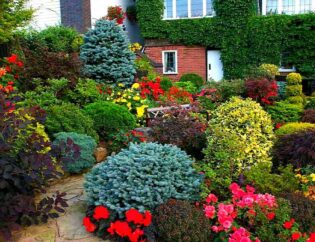
For example, trees with dense foliage, such as maples, oaks, and linden, provide shade and shield from city noise, creating quiet spots for solitude. Aromatic shrubs and flowers, such as lavender and jasmine, not only delight with their scents but also help to relax and relieve tension. Greenery plays a vital role in creating a peaceful and harmonious atmosphere that positively affects psychosocial health.
Equally important elements are water features. The sound of water has a unique ability to reduce stress and create a cozy, calming atmosphere. Water features like fountains, waterfalls, or ponds not only decorate the park but also provide a sound backdrop that promotes relaxation.
Water features have therapeutic effects on the psyche, especially when complemented by relaxation zones, such as benches or walking paths along the water. These elements create spaces for peaceful rest and restorative walks, helping people relax and recharge.
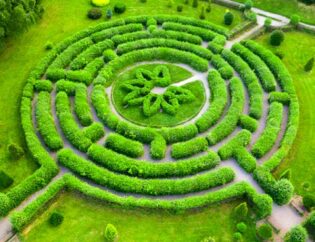
Creating different zones within the park is another important aspect that helps meet the diverse needs of urban residents. It is essential that the park caters to those seeking solitude and peace, as well as those who prefer more active recreation. Zoning allows the park to serve multiple purposes, ensuring that everyone finds something suitable for themselves.
For those who prefer peaceful walks and meditation, secluded corners with shaded alleys or small gardens can be designated. For those looking to spend time with friends or family, picnic areas, sports grounds, or spaces for cultural events can be provided. This will allow the park to serve various functions and appeal to different groups of users.
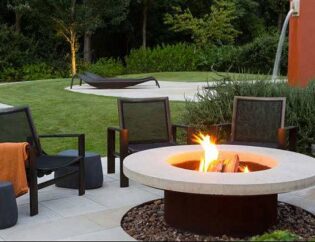
When designing such spaces, it is essential to use natural materials, such as wood, stone, gravel, or sand. These materials give the park an organic and cozy look while contributing to the creation of an atmosphere that harmonizes with nature. For example, wooden benches and paths add warmth and naturalness to the space, while stone paths or small architectural elements provide a solid foundation and a sense of stability.
At Ecolandscape Studio, we always emphasize the importance of natural materials that blend harmoniously with the surrounding environment and provide aesthetic pleasure. It is crucial that the park not only attracts visually but also creates an atmosphere where people feel comfortable and at ease.
Creating eco-friendly and sustainable park zones is another key point that we actively incorporate into our projects. This is not only a way to help nature but also to care for the future of urban residents. For instance, implementing a rainwater harvesting system allows for water conservation and ensures irrigation for plants during dry seasons. Using solar panels for park lighting or installing energy-efficient technologies also helps reduce the environmental impact and promotes ecological well-being.
Expert Opinion from Martin Palma, Founder of Ecolandscape Studio
As Martin Palma, the founder and CEO of Ecolandscape Studio, noted: «Our projects are always aimed at creating spaces that are not only beautiful but also beneficial to people. Landscape design is not just decoration; it is a tool capable of improving the quality of life in the city. We always strive to consider the needs of people and create spaces that contribute to their psychological and physical well-being.»
Properly designed public parks and green spaces are essential components of urban environments that can significantly affect the psychosocial health of residents. The use of greenery, water features, thoughtful zoning, and the choice of natural materials are the foundations that help create spaces for recovery and harmony.
As demonstrated by successful projects such as «Park in the Sky» in Los Angeles, the integration of nature into urban spaces greatly enhances the quality of life. At Ecolandscape Studio, we are confident that such parks and public spaces can create a more comfortable and healthy urban environment for everyone.