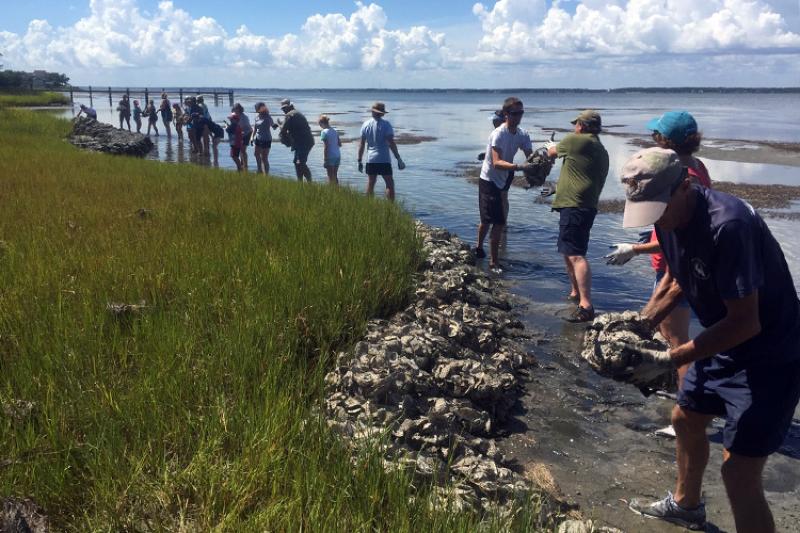
Coastal areas are unique ecosystems that play a crucial role in maintaining the natural balance of the planet. These zones protect inland areas from ocean waves, provide a home for many species of flora and fauna, and significantly influence the climate. However, in recent decades, coastal ecosystems have been facing threats such as erosion and the loss of biodiversity. Global climate change and urbanization are increasing the pressure on these areas, making them more vulnerable.
At Ecolandscape Studio, specializing in landscape design for coastal areas, we believe that eco-friendly and well-planned landscape solutions can significantly enhance the resilience of coastal zones, prevent erosion, and restore lost ecosystems. In this article, we will explore how landscape design can help protect coastlines and restore biodiversity, discuss successful examples like the Coastal Restoration project in Australia, and share useful tips.
Why Do Coastal Zones Need Protection?
Coastal ecosystems serve several important functions: they protect against powerful ocean waves, filter water, and create habitats for various species. However, with the development of urbanization and climate change, these areas have become more vulnerable. For example, the rising sea level is accelerating erosion by 1-2 meters per year in some regions, which has a destructive impact on ecosystems and threatens the lives of people who depend on these areas.
Protecting the coastline from erosion and restoring biodiversity have become urgent tasks for landscape designers. It is essential to remember that a well-thought-out landscape approach can prevent the destruction of ecosystems and contribute to biodiversity restoration.
How Does Landscape Design Help Combat Erosion?
One of the most effective methods for coastal protection is the restoration of natural barriers, such as mangrove forests and salt marshes. These ecosystems strengthen the shoreline and slow down the process of erosion. Mangrove forests, for example, have the ability to retain sediment and reinforce shorelines, preventing their destruction and creating a natural barrier that reduces the impact of storm waves. The Coastal Restoration project in Australia actively uses mangrove forests for coastline protection, which not only strengthens the shorelines but also helps restore flora and fauna.
Salt marshes and coastal grasses also play an important role in protecting the coastline. These ecosystems help retain water and sediment, preventing soil washout and reducing the rate of erosion. Restoring such ecosystems significantly increases the resilience of coastlines to external forces, such as storms and flooding. It is important to note that using native plants, which are better adapted to coastal conditions, is the most effective way to combat erosion.
As Martin Palma, founder and CEO of Ecolandscape Studio, stated: «Restoring ecosystems and designing natural solutions for coastal areas requires a comprehensive approach. We see how projects like Coastal Restoration have proven their effectiveness in protecting coastlines and restoring ecosystems. We always strive to use methods that benefit both nature and people, creating sustainable and harmonious ecosystems capable of adapting to environmental changes.»
The Role of Biodiversity in Protecting Coastal Areas
Restoring coastal ecosystems is important not only for preventing erosion but also for maintaining biodiversity. For instance, mangrove forests and salt marshes serve as habitats for various marine animals, such as fish, mollusks, and seabirds. These ecosystems help maintain the balance of nature and provide essential ecological functions, such as water filtration and quality improvement.
When coastal ecosystems are restored, it improves conditions for fishing and other forms of economic activity, which is crucial for local communities. It is important to consider that restoring biodiversity not only improves the ecological state but also supports the long-term resilience of ecosystems, making them more resistant to climate change.
Practical Tips for Implementing Natural Solutions in Landscape Projects
When designing the landscaping of coastal areas, it is essential to use native plants, such as mangrove and wetland species. These species are best adapted to coastal conditions and are effective in combating erosion. Instead of using invasive species, which can disrupt the balance of ecosystems, preference should be given to vegetation that naturally grows in the area.
Additionally, it is necessary to create water-retaining systems. This will help prevent water from accumulating on the site and preserve the soil, preventing its washout. The water drainage system should be designed to maintain soil health and prevent flooding, which is especially important for coastal areas.
Including coastal ecosystems, such as mangrove forests or grasslands, in the project will help improve water quality, create safe conditions for fishing, and support other forms of economic activity. Involving ecologists in the development of sustainable projects is also crucial, as specialists will help consider all ecological aspects and ensure the long-term sustainability of ecosystems.
Benefits of Natural Solutions for Coastlines
Restoring coastal ecosystems offers numerous benefits, such as increased resilience to climate change. Restored ecosystems help minimize the effects of climate change, stabilize coastlines, and reduce erosion rates.
Additionally, restoring mangrove forests and salt marshes contributes to the return of lost species and strengthens ecological balance. Natural solutions are also economically effective: they can significantly reduce the costs of restoring coastal areas and protecting them from storms and floods.
Finally, restored coastal ecosystems create convenient and safe areas for recreation and tourism, which promotes sustainable tourism development and improves the quality of life for local communities.
Restoring ecosystems and combating erosion are vital steps in creating sustainable and safe conditions for both people and nature. Landscape solutions, such as the restoration of mangrove forests and salt marshes, significantly reduce the risks associated with erosion and help bring back lost species.
The Coastal Restoration project has demonstrated how natural solutions can improve the condition of coastal areas, and at Ecolandscape Studio, we are confident that thoughtful landscape design can provide long-term resilience to coastal ecosystems, preserving them for future generations.









