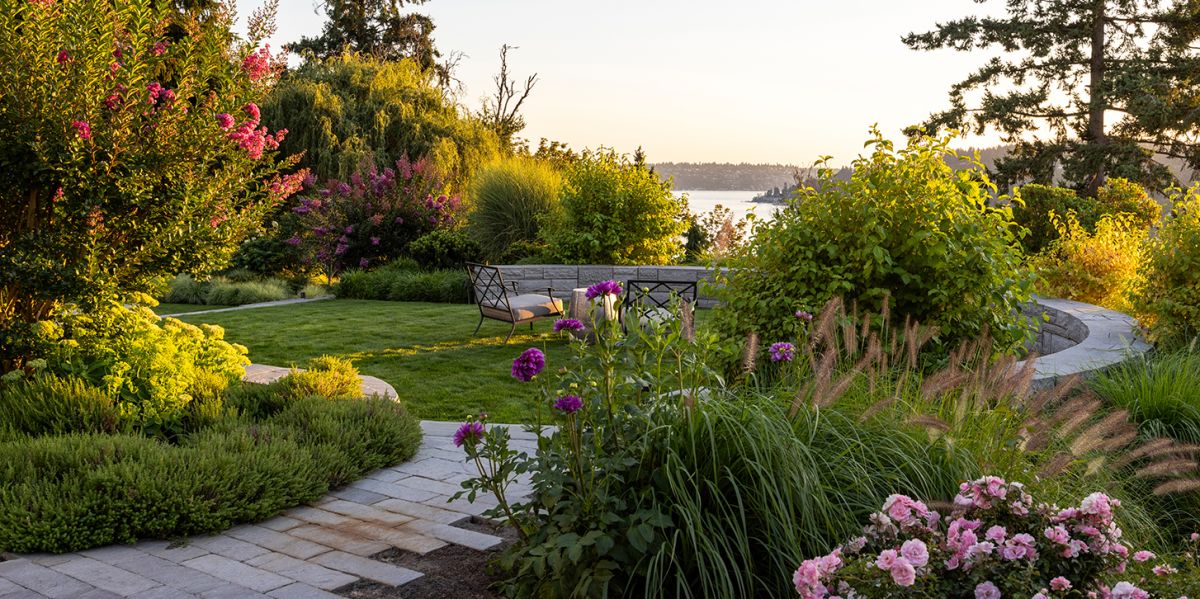
Landscape design is the art of creating a harmonious space that not only pleases the eye but also serves as a functional part of the surrounding environment. Each landscape style carries not only aesthetic qualities but also a certain philosophy that reflects cultural traditions, climatic features, and ideas embedded in it. In this article, Ecolandscape Studio will immerse you in the world of the most popular landscape styles: from the refined luxury of the Italian garden to the vibrant, organic beauty of the prairie landscape. You will learn what elements give each style its character and how to create a unique space that is not only beautiful but also harmonious.
Italian Garden: The Embodiment of Timeless Elegance
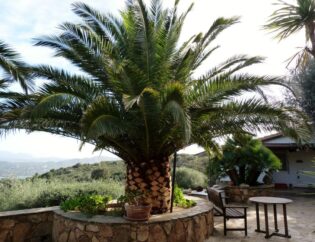
The Italian style of landscape design is a classic that has gained global recognition. Since its inception, this style has maintained elegance, symmetry, and attention to every detail. Its foundation is built on strict geometric forms that highlight the grandeur and order of the composition.
In the Italian garden, there is no room for randomness — every element is meticulously calculated. Pathways, alleys, pavilions, and terraces are created along strict geometric lines, creating an atmosphere of order and grandeur. Water elements also play an important role, serving both decorative and functional purposes. Cascading fountains, koi ponds, or small waterfalls become the centerpiece of the garden, adding dynamism and life. Stone elements, such as terracotta vases, statues, and sculptures, complete the composition and emphasize the formality of the style.
Tip from Martin Palma, founder of Ecolandscape Studio: «In an Italian garden, every element matters. Every plant, every stone, and every lighting fixture plays a role. To achieve true elegance, use plants that lend themselves to shaping, such as laurel, cypress, or roses. Don’t forget about intricate water compositions — they always add completion and harmony to the garden.»
To create an Italian garden, use clear lines and elements that can be easily positioned along them. Use natural stones for paths, and create terraces and alleys. Water elements, such as fountains or decorative ponds, will add dynamism and completeness. It is essential that the plants harmonize with the architecture: choose evergreen trees like cypress, and carefully select flowering shrubs for vibrant accents.
French Style: Refinement and Nobility
The French garden is a work of art, where every detail is designed to emphasize not only beauty but also grandeur. Inspired by the gardens of Versailles, the French style is known for its harmony, spaciousness, and elegance. The principle of this style is the fusion of natural elements with sophistication and luxury.
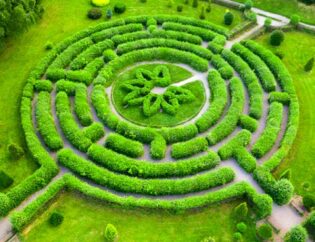
A French garden is associated with expansive areas and perfectly paved paths that lead to a central point, whether it’s a fountain or a sculpture. It organically combines paved areas with straight alleys and greenery, creating a balance between nature and architecture. Special attention is given to flowering plants such as roses, lilies, and jasmine, which provide rich colors and fragrances. Decorative elements — statues, arches, and lanterns — are an essential part of the French garden, further enhancing its elegance.
For a French garden, choose plants with vibrant colors and expressive forms, such as roses, lavender, or hydrangeas. Paved paths and straight alleys leading to the center of the garden will help organize the space, while decorative sculptures and lanterns add sophistication. It is important that the entire landscape is balanced: every detail must harmonize with the others.
Japanese Garden: Harmony and Minimalism
The Japanese style of landscape design embodies harmony with nature, where every plant, stone, and even water carries deep symbolism. Japanese gardens teach the art of creating solitude, serenity, and peace, making them an ideal choice for those seeking tranquility and balance in their surroundings.
The core principle of a Japanese garden is minimalism. There are no lush flowering plants; the focus is on composition. Stones symbolize mountains, water represents rivers and oceans, and plants like pines, bamboo, cherry blossoms, and moss create a calming atmosphere. Asymmetry plays an important role in the Japanese garden — each element must be placed in its harmonious spot, and the space should appear natural, as though created by nature itself.
At Ecolandscape Studio, we believe that the Japanese garden is a philosophy. To create a Japanese garden, it’s crucial to focus on details and use local materials. Stones, water, and plants should be arranged to create a sense of natural equilibrium. A small pond with koi fish or a bridge can be a beautiful element symbolizing the transition between worlds.
For a Japanese garden, elements of water and stones work well. A pond with koi or a decorative stream can become an excellent focal point. Use plants like bamboo and pines for vertical elements. Stones of various sizes should be placed to create the illusion of mountains and lakes, while maintaining the principle of asymmetry.
Prairie Style: Naturalness and Freedom
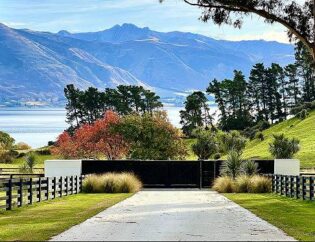
The prairie style of landscape design is inspired by the open spaces and natural landscapes of North America. This style values simplicity, as well as the natural freedom and beauty of the environment. It’s perfect for those who want their garden to be an organic part of the surrounding world, with minimal human intervention.
A prairie garden is created with minimal decorative elements. Local grasses, flowers, and shrubs that grow freely and form a lively picture play a significant role. In a prairie garden, freedom and naturalness reign — plants grow in their natural rhythm, and the space is open, not cluttered with decorative items.
To create a prairie garden, choose local plants such as echinacea, daisies, and wild grasses that are well-suited to your climate. It is essential that the plants grow freely and create natural «landscapes.» This style is for those who appreciate nature in its purest form and simplicity. Avoid overloading the space with decorative elements, leaving as many open areas as possible.
Each landscape style is a unique combination of plants and decorative elements, as well as a way to express one’s personality and relationship with nature. At Ecolandscape Studio, we believe that landscape design should be not only beautiful but also functional, taking into account the climatic features, needs, and desires of the owner.
Dive into this world, explore different styles, and find the one that best reflects your philosophy and the desired atmosphere in your space. It is important to remember that the ideal garden is one that brings harmony and joy to your life, and we are here to help you create such a garden that will delight you for many years to come.