Landscape design is a field that harmoniously blends art and science to create spaces that meet the needs of both humans and nature. In recent years, we have witnessed the rapid development of new technologies and methods that are changing the approach to designing gardens and yards. On the horizon is the evolution of landscape design, where the main priorities will be sustainability, innovation, and interaction with nature. In this article, we will look at the key trends that will shape the future of landscape design over the next decade.
Smart Gardens: Technologies Changing the Landscape
With each passing year, technology makes an increasingly significant contribution to the development of landscape design. Over the next decade, the integration of smart solutions will continue, significantly enhancing the convenience and efficiency of garden maintenance. Smart management systems, such as automated irrigation systems, lighting solutions with motion and temperature sensors, and plant condition monitoring systems, will become the foundation for optimizing spaces.
Ecolandscape Studio notes that smart irrigation systems equipped with humidity sensors and climate control systems will not only reduce water consumption but also provide precise watering tailored to the needs of each plant. This automation will minimize the time spent on gardening and reduce resource costs.
Furthermore, augmented reality (AR) and virtual reality (VR) technologies will be used to design landscapes with maximum accuracy. These tools will allow clients and designers to «walk» through the future garden during the planning stage, greatly enhancing the selection of plants, materials, and overall layout.
Marten Palma, founder and CEO of Ecolandscape Studio: «Technological innovations will undoubtedly change landscape design. We are moving towards creating more efficient and sustainable gardens that can autonomously adapt to environmental changes and optimize the use of resources such as water and energy.»
Vertical Gardens and Green Walls: Aesthetic and Functionality
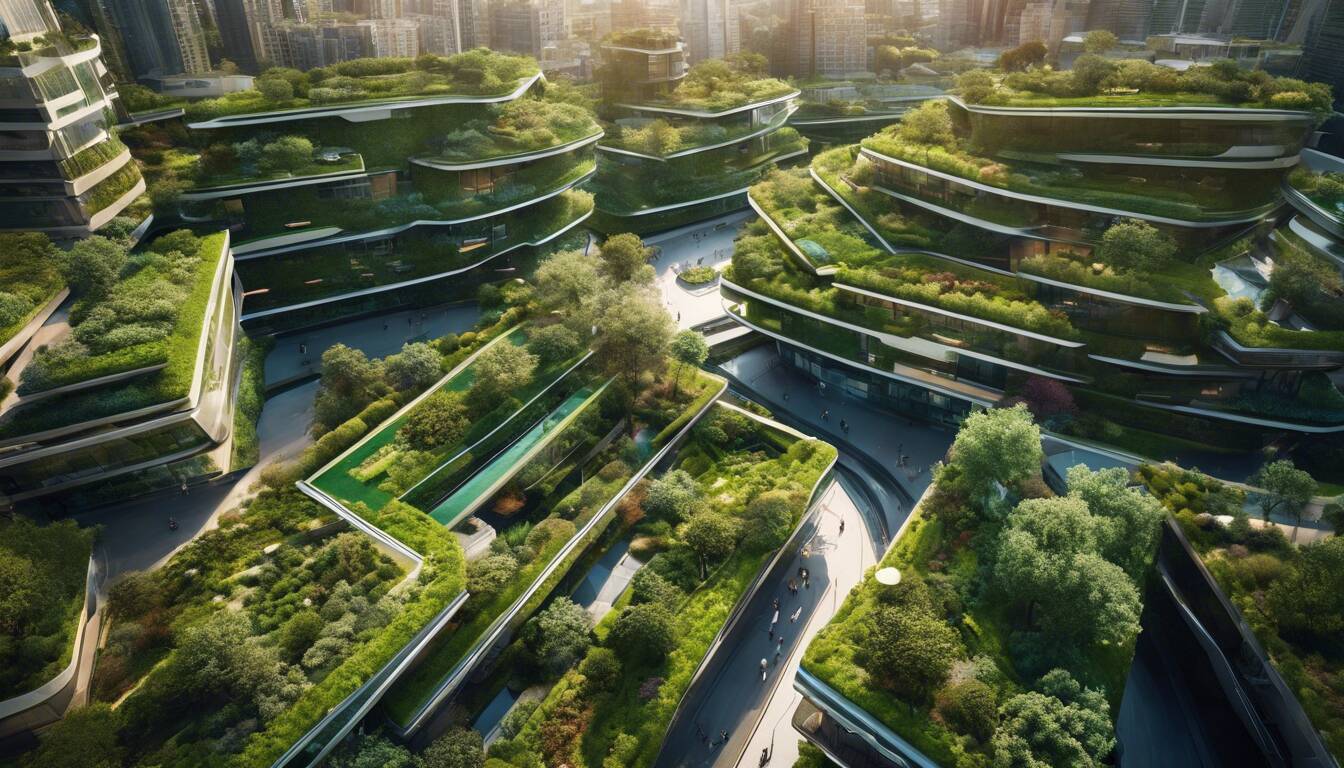
Urbanization and limited spaces require solutions that make effective use of every square meter. Vertical gardens and green walls have become essential components that transform dull concrete facades into living ecosystems.
Green walls can significantly improve air quality by filtering harmful substances and carbon dioxide. They also serve as insulation, reducing the need for air conditioning and heating, making buildings more energy-efficient.
On the other hand, vertical farms provide an opportunity to grow vegetables, herbs, and fruits even in limited spaces. In the coming years, these solutions will become popular both in private homes and commercial buildings, contributing not only to aesthetic greening but also to food independence.
Ecology as an Integral Part of Landscape Design
Sustainability and environmental care will define the approaches to landscape design in the future. New design standards will widely incorporate eco-friendly and resource-efficient solutions, significantly reducing the carbon footprint.
Rainwater harvesting is one such practice that will see active development. Using rainwater for irrigation not only cuts down on water supply costs but also helps maintain the balance of natural resources. This approach will become not only environmentally beneficial but also economically justified in the long term.
Energy-efficient technologies will also be widely used in design. Solar panels for lighting and powering garden equipment, as well as the use of new materials with high thermal insulation properties, will minimize energy costs and improve the ecological performance of the space.
Composting organic waste and using natural fertilizers will also play a key role in maintaining the garden’s ecosystem, reducing carbon dioxide emissions, and promoting the natural nourishment of plants.
Biophilic Design: Returning to Nature
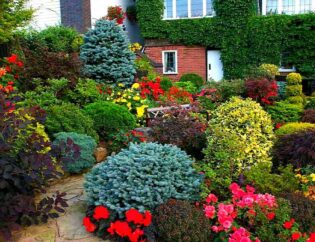
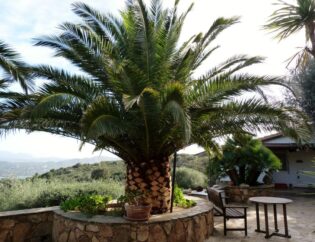
The concept of biophilic design will continue to evolve, focusing on creating environments that closely resemble natural ecosystems. Future gardens will emphasize the use of natural materials such as stone, wood, and water, as well as creating spaces that enhance psychological and physical well-being.
The integration of local plants adapted to the region’s conditions will create sustainable and easy-to-maintain ecosystems. These plants will not only be beautiful but also functional, supporting biodiversity by attracting beneficial insects, birds, and other members of flora and fauna.
In the coming years, there will be an increasing emphasis on creating gardens that require minimal chemical fertilizers and herbicides, functioning as closed ecosystems where all elements support each other.
Multi-functional Gardens: Space for Work and Relaxation
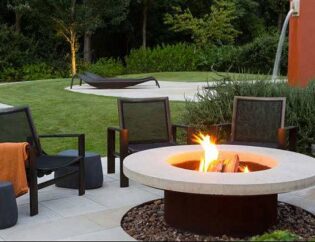
Modern trends in landscape design suggest the creation of multi-functional spaces that can be used for both relaxation and work. With the growing popularity of hybrid work models and people’s desire for a more balanced lifestyle, gardens are becoming not just zones for leisure but also fully functional work and social spaces.
Garden offices, meditation zones, gazebos, and barbecue areas all create a multi-functional environment that meets the needs of the modern individual. Multi-level structures, such as terraces and suspended platforms, will also help make the most efficient use of space.
The future of landscape design is inextricably linked to the introduction of innovations, sustainable solutions, and new technologies. The gardens of the future will combine aesthetic enjoyment, functionality, and responsibility toward nature.
With each passing year, the demand for eco-friendly and technologically advanced spaces will only grow. It is important to already take these trends into account to create not only beautiful but also sustainable landscapes that will last for years to come.
- Start by integrating rainwater harvesting systems to reduce irrigation costs.
- Use local plants and create natural ecosystems on your site.
- Design multi-functional areas for work and relaxation to make your garden a space for various activities.
Marten Palma’s Opinion: «Our projects are always aimed at creating sustainable and eco-friendly solutions that meet high standards of functionality and aesthetics. The future of landscape design lies in the integration of technology and nature, allowing us to create not only beautiful but also environmentally responsible spaces.»
The gardens of the future will be at the forefront of technological progress and environmental sustainability. The application of innovative technologies, biophilic solutions, and sustainable practices will make landscape design more flexible, efficient, and future-oriented. It is essential to begin creating these spaces today so that your garden will not only be an oasis of relaxation but also a model for future generations.