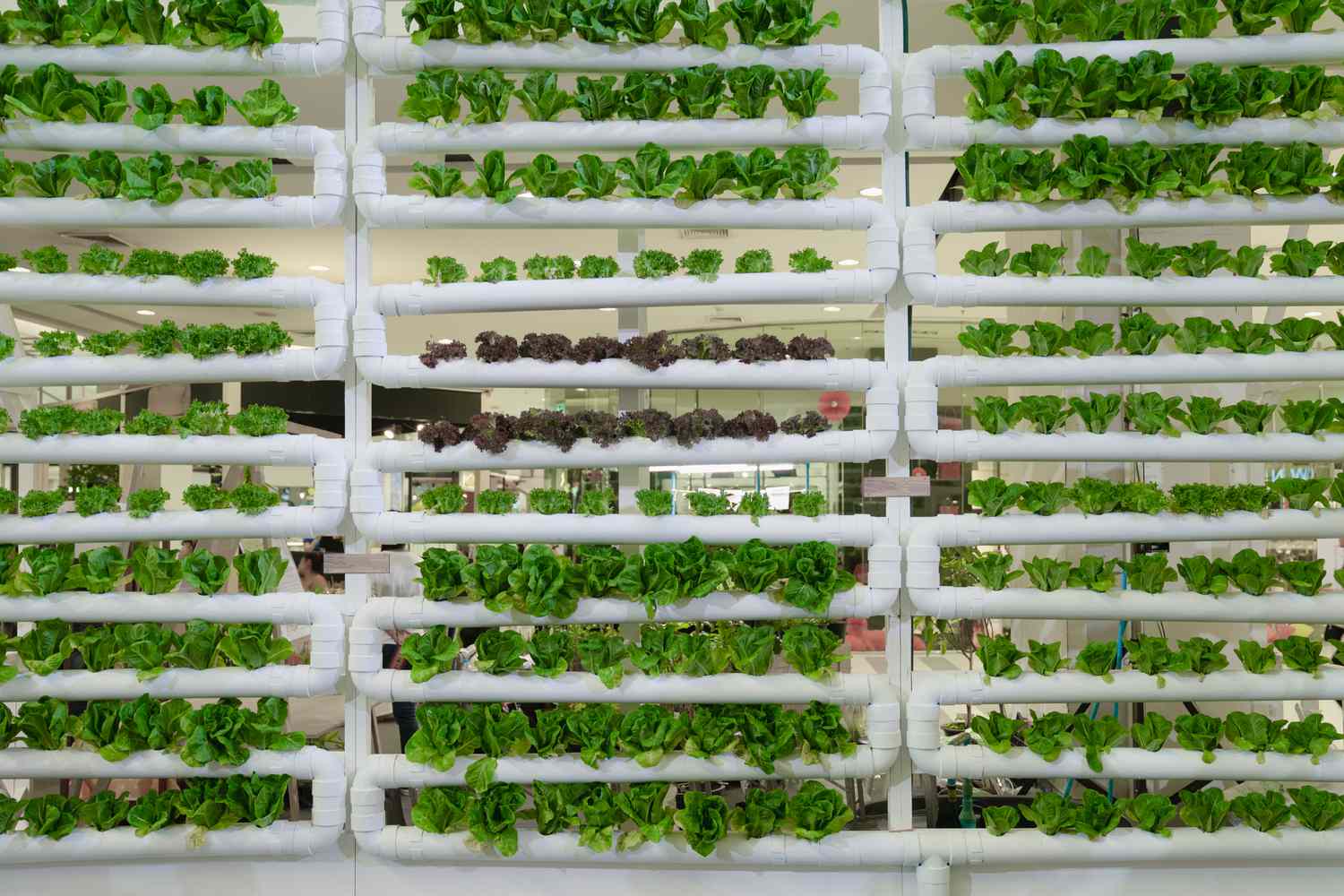
Vertical farms are increasingly discussed in the context of modern landscape design. In private gardens, the idea of a «vertical garden» is gaining attention: herbs and vegetables can be grown on walls, fences, or multi-tiered stands — both beautiful and functional. But how realistic is it to get a full harvest from such structures in your garden? We, the experts at Ecolandscape Studio, share our experience, the latest research findings, and recommendations for implementing vertical farms.
What is a Vertical Farm and Why is it Needed?
A vertical farm is a method of growing plants in multi-level modules or on walls rather than traditional garden beds. The main idea is to make the most of available space and integrate green areas directly into the structure of the garden. This approach is particularly relevant for small gardens, terraces, and urban courtyards, where every square meter is valuable.
Research shows that vertical farms can achieve high yields of leafy crops per unit area due to the multi-level arrangement of plants. This makes them an excellent solution for growing salads, herbs, and greens in limited spaces. In our projects, we advise considering vertical farms as an addition to traditional garden beds: they create decorative and productive zones without taking up space for larger plants.
Advantages of Vertical Farms
One of the main advantages of vertical farms is the ability to increase the yield of greens on limited land. Multi-tiered modules allow you to place more plants in spaces where regular beds wouldn’t fit, combining functionality with aesthetics.
Control of growing conditions is another important factor. Vertical farms allow you to regulate light, humidity, temperature, and ventilation, which is particularly useful during off-seasons. This reduces dependence on weather conditions and helps produce a harvest year-round.
Water conservation is also noticeable: hydroponic and aeroponic systems use nutrient solutions more efficiently than traditional gardening. In our projects, we often recommend integrating drip irrigation or automated hydroponic modules to provide plants with a stable supply of moisture and nutrients without daily care.
Limitations and Challenges of Vertical Gardening
Vertical farms come with their technical challenges. Walls with plants require proper lighting, ventilation, sturdy structures, and feeding systems. For successful growth, it’s important to understand the principles of hydroponics and monitor the microclimate.
Practice shows that these farms are better suited for greens, herbs, and small vegetables. Larger root vegetables, such as potatoes or carrots, and grains are still difficult to grow at home. High energy consumption and the need for artificial lighting also limit the possibilities for large, energy-intensive crops.
To get a variety of crops, it’s best to combine vertical structures with horizontal garden beds. This approach allows you to create living walls while still growing larger vegetables.
Practical Tips for Gardeners
- Watering and Lighting: Automated drip irrigation systems are essential for vertical farms, ensuring even distribution of water and nutrients. If there is insufficient natural light, LED grow lights should be used to ensure proper photosynthesis.
- Construction: Vertical farms can become heavy due to soil, water, and plants. It’s important to properly calculate the load and use reliable fastenings. Choose materials that are resistant to moisture and weather conditions for your garden.
- Choosing Crops: Opt for greens, salads, herbs, and compact vegetables, while reserving larger vegetables and root crops for traditional beds.
Our projects show that vertical farms can become a full-fledged functional zone in the garden, providing fresh greens and salads. Martin Palma, founder and CEO of Ecolandscape Studio, notes that vertical farms allow for maximum efficient use of garden space and a harmonious combination of decorative and productive areas. The combination of vertical and horizontal planting gives both aesthetic and practical results.
Vertical farms in a private garden are a modern and promising approach to landscape design. They help efficiently use space, create functional green zones, and produce a harvest where it was previously difficult. With proper planning, crop selection, and consideration of technical specifics, a vertical farm can become the jewel of your plot.
For the best results, we recommend combining vertical and horizontal beds. If you are planning to update your courtyard design or introduce living vertical zones, the team at Ecolandscape Studio is ready to develop a project that will be both beautiful and productive.









