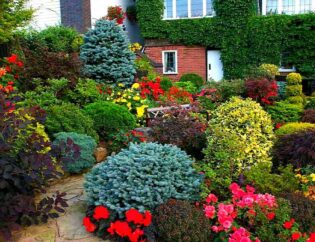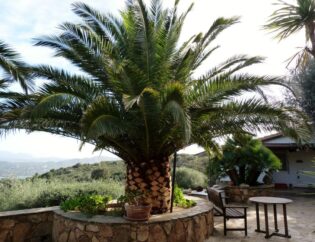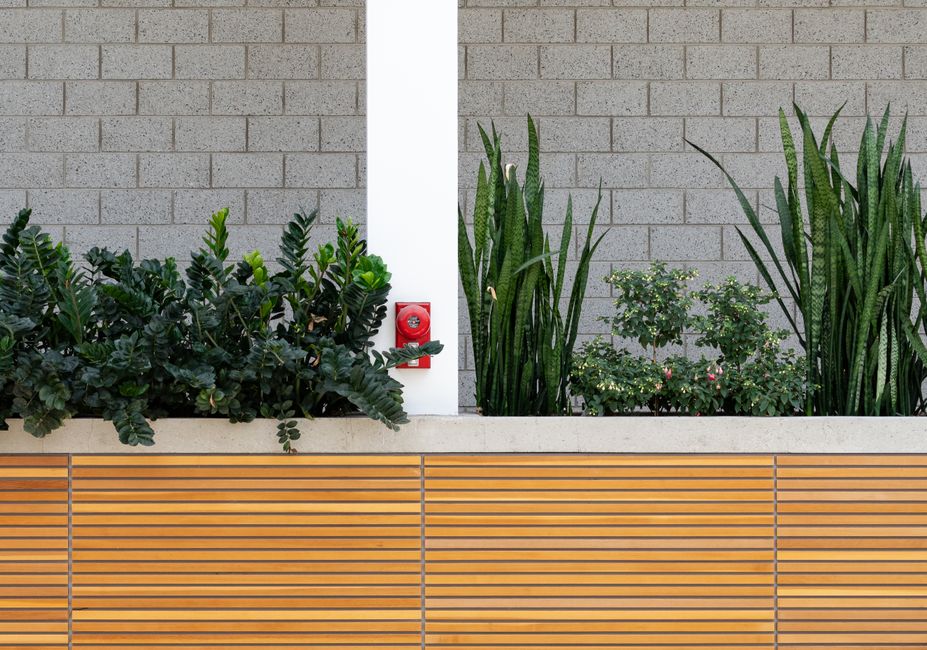
There is a quiet shift happening inside landscape architecture programs across the country, and it is starting to show up in real gardens and real yards. Over the past decade, many design schools have reduced the amount of time dedicated to plant education — botany, horticulture, plant identification, and planting design — in favor of digital tools, urban planning theory, and infrastructure-focused coursework. The result is a generation of designers who can produce stunning renderings but may struggle to choose the right plant for a specific soil type, climate zone, or drainage condition.
For homeowners investing in residential landscape design, backyard landscaping ideas, or a complete front yard landscaping overhaul, this gap has practical consequences. A beautiful plan on paper can fail in the ground if the plants selected are wrong for the site.
Planting design is not just about aesthetics. It is about understanding how plants grow, how they interact with soil and water, how they change through seasons, and how they support the broader ecosystem of a yard. When that knowledge is thin, the results often look fine at installation and then deteriorate within a few years.
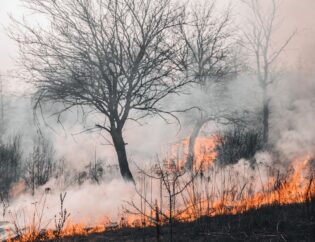
Drought tolerant garden design, native plant garden design, and pollinator garden design all depend heavily on a designer’s ability to read a site and match plants to conditions. A rain garden design, for example, requires knowing which species can handle both temporary flooding and dry periods between rain events. A fire resistant landscaping plan requires understanding plant moisture content, growth habits, and spacing — not just visual arrangement. These are not skills that come from software. They come from studying plants directly.
The same applies to low maintenance garden design. One of the most common complaints from homeowners is that their yard requires far more upkeep than they were told it would. Often, this happens because plants were selected for appearance rather than suitability. A plant placed in the wrong light condition, wrong soil, or wrong climate zone will always struggle — and a struggling plant always demands more attention.
Martin Palma, founder and CEO of Ecolandscape Studio, has seen this pattern play out repeatedly in practice. When reviewing projects that were designed elsewhere and brought to his team for renovation, the recurring issue is not the layout or the hardscape — it is the plant selection. Species that look great in a catalog but are completely wrong for the local conditions, or plants grouped together that have conflicting water needs. Getting planting design right requires time in the field, not just time at a screen.
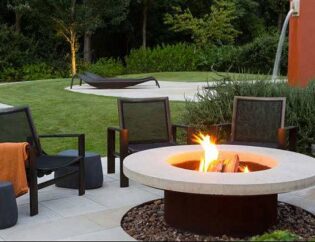
For anyone planning a yard landscaping design, a small backyard design, or an outdoor living space design, the practical takeaway is straightforward. Ask your designer about their plant knowledge before the project begins. A good landscape designer should be able to explain why each plant was chosen, what conditions it prefers, how large it will grow, and how it will perform across seasons.
Water wise landscaping and xeriscape garden design are growing in demand, and both require a deep understanding of plant physiology. You cannot design a water-efficient garden by simply picking plants labeled «drought tolerant» without understanding their root systems, establishment needs, and regional adaptability. The same applies to lawn alternatives — replacing turf with ground covers, ornamental grasses, or native plantings requires knowing how those plants spread, compete, and behave over time.
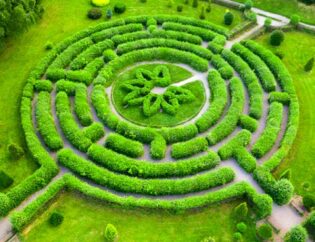
Privacy landscaping, garden edging ideas, and landscape lighting ideas all benefit from a solid planting plan underneath them. Structural plants that anchor a design, seasonal plants that add color and texture, and functional plants that provide shade or screening — all of these choices depend on plant knowledge that goes beyond what a trend board or a software library can provide.
Modern garden design continues to evolve, and the best residential landscape design work combines creative vision with genuine horticultural understanding. Homeowners deserve designers who know both. When schools reduce plant education, the profession loses something that cannot easily be replaced by technology or outsourced to a plant supplier.
The good news is that many experienced practitioners and studios are actively working to keep plant knowledge central to how they design. At Ecolandscape Studio, every planting plan is built around site-specific plant selection — considering soil, drainage, sun exposure, climate, and the long-term behavior of each species. That approach takes more time upfront, but it produces gardens that actually thrive.
If you are planning any kind of outdoor improvement, from a patio landscaping project to a full property landscaping redesign, look for a team that treats plant knowledge as a core skill, not an afterthought. The difference shows up not in the first season, but in every season after that.