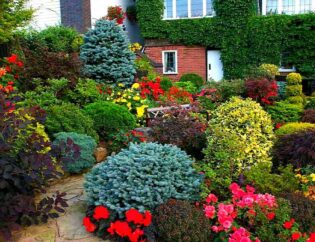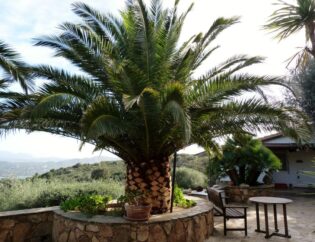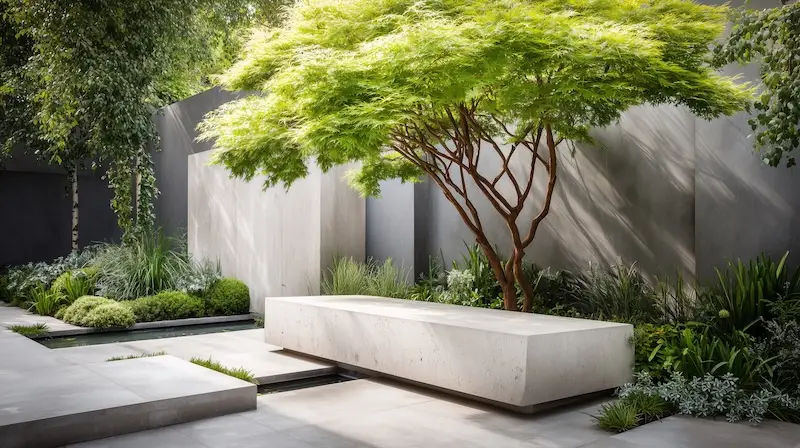
The world of landscape design is constantly evolving with new ideas, technologies, and concepts. In 2026, we expect significant changes aimed at improving the quality of life, reducing environmental impact, and creating more harmonious spaces. In this article, we at Ecolandscape Studio share with you the current trends and professional tips that will help transform your site into a true work of art that meets modern ecological and aesthetic requirements.
Sustainable Materials: How Component Choices Impact Landscape Design
More and more designers and clients are opting for eco-friendly materials that not only minimize environmental impact but also contribute to the creation of long-term landscape solutions. In 2026, the use of natural and recycled materials takes center stage. At Ecolandscape Studio, we actively integrate these solutions into our projects.
Recycled materials such as plastic, glass, and metal are widely used in landscape design. These materials help create unique elements like garden paths, fences, and garden furniture. Importantly, their use helps reduce waste and lower the carbon footprint.
Additionally, organic coverings for paths, such as gravel, wood chips, and crushed stone, will be used more frequently as they help naturally filter water and prevent soil erosion. This contributes to improving the water balance on the site and reduces the need for irrigation systems.
Martin Palma, founder and CEO of Ecolandscape Studio, notes: «Our goal is to use materials that will not harm the ecosystem in the long term. We strive to create projects that blend harmoniously with the environment and contribute to its restoration.»
Green Technologies: How Smart Systems and Ecosystems Are Changing Landscapes
In 2026, the use of smart technologies in landscape design will not just be a trend but a necessity. At Ecolandscape Studio, we are confident that integrating technologies that make garden maintenance more efficient and eco-friendly will become the standard.
One of the most exciting trends is smart water management systems. In the coming years, we will see the widespread adoption of automated irrigation systems that adapt to weather conditions and plant needs. These systems, controlled via mobile apps, ensure water savings and minimize unnecessary maintenance costs.
Another key aspect is intelligent lighting systems. These systems not only provide beautiful lighting at night but also help save energy by using motion sensors and LED technologies. Additionally, they can be programmed to highlight specific areas of the garden, such as water features or statues, emphasizing architectural elements.
Eco-Friendly Water Features: Not Just Beauty, But Functionality
Water features are not only beautiful additions but also an effective way to maintain ecosystem balance on the site. Ponds, fountains, and streams not only enhance the garden’s charm but also help regulate humidity, cool the air, and create relaxing areas for recreation. In 2026, the focus will be on creating eco-friendly water systems that require minimal water consumption.
A significant trend will be the use of natural water bodies with a closed water cycle. These systems use filtration through plant filters and biofilters, which reduces water consumption while supporting natural biodiversity. For example, such ponds may have aquatic plants that not only purify the water but also serve as homes for small wildlife frogs, aquatic insects, and even fish.
Additionally, there will be an increase in the popularity of mini-fountains and streams that can be integrated into smaller garden designs. These features not only add sound and visual variety but also effectively regulate air temperature, creating a comfortable atmosphere for relaxation.
Plants for Sustainable Gardens: Adapting Vegetation to Changing Climate
2026 will be the year of adapting plants to changing climate conditions. Given global climate changes, selecting resilient and low-maintenance plants that can survive extreme conditions ranging from drought to heavy rainfall will become particularly important.
Popular plants will include:
- Succulents and cacti, which are perfect for hot, dry conditions and help reduce the need for regular watering.
- Drought-resistant tree species, such as prickly juniper or the Arcadian oak, which are resilient to droughts and various weather anomalies.
- Lavender, sage, and other aromatic perennials, which are not only beautiful but also contribute to maintaining a healthy ecosystem by attracting pollinators.
Choosing such plants for your garden helps create a sustainable ecosystem that will thrive even in a changing climate, while reducing the need for frequent maintenance and watering.
Rest Areas and Personalized Spaces: How to Make Your Garden Unique
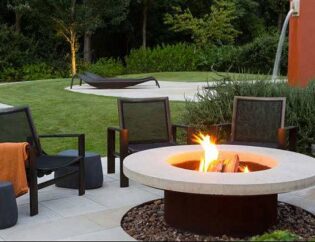
In 2026, the trend for creating personalized landscapes that cater not only to aesthetic preferences but also to the functional needs of the owners will continue. These might include rest zones, sports areas, or secluded corners for meditation.
Ecolandscape Studio is actively working on creating such custom solutions, which help our clients make the most of their space. An important element will be creating areas with minimal impact on the land. For example, hanging bridges, quiet corners with cushions for relaxation, or open platforms for yoga these elements help create cozy and functional spaces for rest and socializing.
Landscape design in 2026 will continue to evolve toward ecological sustainability, technological integration, and individuality. At Ecolandscape Studio, we are proud to offer our clients the latest solutions that not only contribute to the creation of beautiful and functional gardens but also help minimize their impact on the environment.
As Martin Palma emphasizes: «Our mission is to create projects that are sustainable and adapted to changing conditions. We continue to work ahead of the curve to offer our clients not only stylish but also eco-friendly solutions for their properties.»