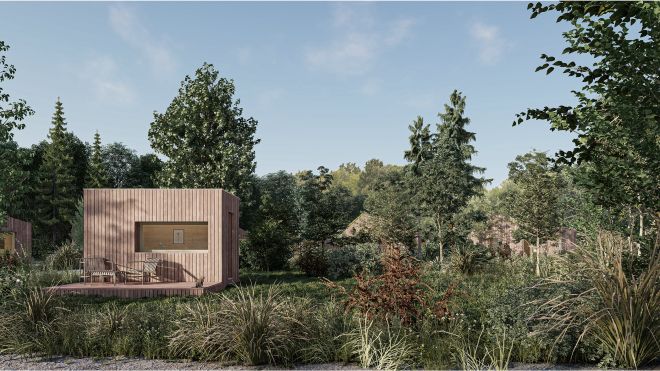
A modern garden cannot simply be called a collection of decorative plants. Trees act as vertical accents, creating natural “columns” and providing shade for relaxation areas. Shrubs form partitions, divide the space into functional zones, and protect against wind and noise. Low-growing flowering plants and ornamental grasses create visual spots, guide the eye, and form emotional highlights. Martin Palma, founder and CEO of Ecolandscape Studio, notes that a single well-chosen plant species can become the centerpiece of a composition, around which the entire garden is designed.
Multi-layering and Plant Layers
One of the key principles of professional landscape design is the use of layers. Low-growing plants form the visual foundation, mid-level shrubs create cozy corners and transitional spaces, while tall trees establish scale and perspective. It is important to consider plant seasonality so that the garden remains expressive year-round: spring brings attention-grabbing bulbs, summer showcases decorative foliage and shrubs, and autumn displays rich leaf colors and berry-bearing plants. This approach allows for a dynamic space that changes with nature and emotionally engages visitors.
Ecological Sustainability and Functionality
Modern gardens are not limited to aesthetics. Plants perform a wide range of ecosystem functions: regulating the microclimate, retaining moisture, reducing noise and dust, and supporting biodiversity. Using native plant species helps them adapt more easily to the climate and reduces the need for extra maintenance. At Ecolandscape Studio, we select flora to provide not only visual but also ecological benefits. Martin Palma emphasizes that the ecological integration of plants is an opportunity to create gardens that harmoniously blend with nature while remaining convenient for humans.
Emotional Impact and Interactivity
Plants create not only a visual but also an emotional atmosphere. Climbers and vines turn arches into green tunnels, fragrant herbs engage the sense of smell, and fruit-bearing shrubs attract birds and insects, creating the feeling of a living space. Interactive gardens are especially important in family plots and urban settings, offering areas for relaxation, play, and observation of nature.
Contrast, Texture, and Minimalism
Modern gardens are built on a balance of minimalism and contrast. Clean lawn lines and neatly organized geometric flower beds create order, while plants with diverse shapes, textures, and colors add depth and dynamism. Combining evergreen and seasonal plants maintains the garden’s expressiveness throughout the year, creating a lively and multi-layered composition.
Vertical Gardens and Urban Solutions
Vertical greening and integrating plants into urban environments are becoming increasingly popular. Vertical gardens and green facades are not only aesthetically pleasing but also perform important ecological functions: they purify the air, reduce noise, and create a comfortable microclimate. This approach is particularly relevant for urban plots with limited space, where vertical elements allow for increased greenery without expanding the area.
Conclusion and Professional Philosophy
A modern garden is a living, dynamic space where plants act as architects rather than mere decorative elements. They set the rhythm, divide space into zones, create emotional depth, and ensure ecological sustainability. The experience of Martin Palma and Ecolandscape Studio demonstrates that thoughtful plant integration allows for the creation of unique and harmonious gardens, where every element has a purpose. Proper species selection, placement, and attention to ecological considerations can turn any plot into a work of landscape art.
At Ecolandscape Studio, we believe the future of gardens belongs to those who see plants not only for their beauty but also for their architectural, ecological, and emotional potential. This approach allows for the creation of spaces that live, evolve, and delight throughout the year.









