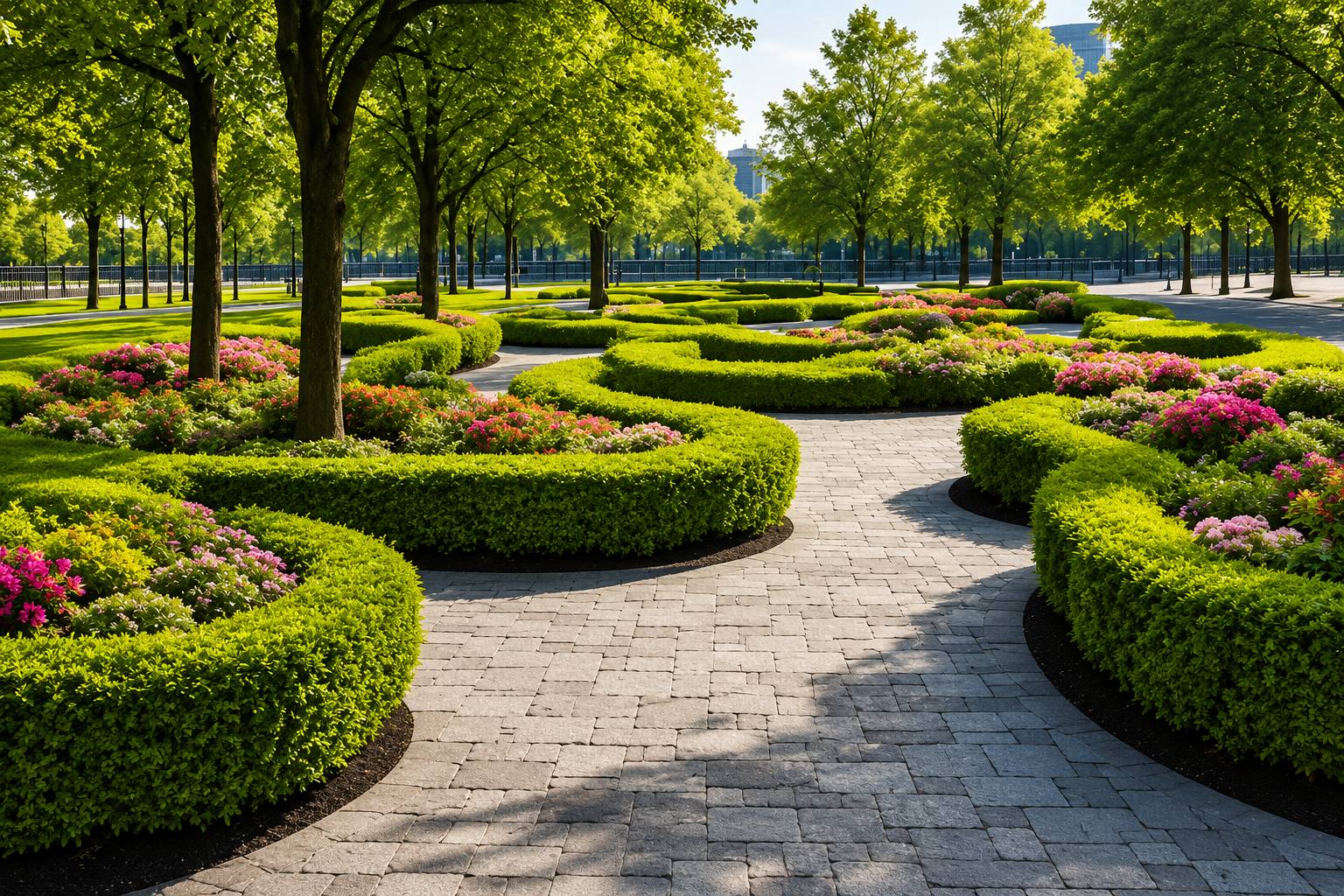
Modern cities are increasingly rethinking the role of public spaces in everyday life. While squares, parks, and recreational areas were once viewed primarily as supplementary elements of urban infrastructure, they are now becoming vital centers of social activity, interaction, and community identity. Martin Palma, founder and CEO of Ecolandscape Studio, emphasizes that a well-designed public space can transform not only the physical appearance of a city but also the behavioral patterns of its residents. As a result, landscape architecture is increasingly recognized as a strategic tool for urban development, influencing comfort, safety, and overall quality of life.
Changes in contemporary lifestyles are creating demand for new ways of using urban spaces. People increasingly seek opportunities to spend more time outdoors, participate in community activities, exercise, work in open-air environments, and engage with their surroundings in more flexible ways. Traditional public spaces are not always capable of meeting these evolving expectations. Specialists at Ecolandscape Studio believe that next-generation public spaces should be multifunctional and adaptable, allowing different groups of users to find comfortable environments for recreation, communication, and everyday activities. This approach helps create destinations that remain active and relevant throughout the day and across different seasons.
A particularly important aspect of landscape architecture is its ability to strengthen social connections within urban communities. Thoughtfully designed spaces create opportunities for spontaneous encounters, cultural events, educational initiatives, and public gatherings. As a result, residents become more engaged with one another, and the space itself evolves into an essential part of city life. We analyze leading international projects and observe that successful public spaces become far more than locations where people simply spend time. They serve as platforms for building local identity and fostering stronger relationships among diverse groups within the community.
Contemporary design approaches focus not only on visual appeal but also on functionality. Modern projects increasingly incorporate natural materials, diverse planting strategies, passive shading systems, water features, and flexible environments capable of supporting multiple activities. Specialists at Ecolandscape Studio note that such solutions help create more resilient public spaces that remain valuable and relevant despite changing urban trends and shifting social needs. The ability of a space to evolve alongside its users has become one of the defining characteristics of successful landscape architecture.
Safety and user comfort are equally important considerations. Modern landscape design takes into account the needs of various population groups, including children, older adults, and individuals with limited mobility. Thoughtfully planned lighting, intuitive navigation, clear sightlines, and well-organized functional zones contribute to creating spaces that are accessible and comfortable for everyday use. At Ecolandscape Studio, we believe that attention to these details is what ultimately encourages active participation in urban life and enhances residents’ overall satisfaction with their environment.
The emergence of next-generation public spaces reflects broader changes in the way cities are planned and developed. Today, urban quality is evaluated not only through transportation networks or development density but also through a city’s ability to support social interaction, health, and well-being. At Ecolandscape Studio, we see this as a significant direction in the evolution of modern landscape architecture, one that enables the creation of vibrant, dynamic, and sustainable spaces capable of adapting to the needs of society for many years to come.