Throughout the history of urban development, water has played a far greater role than simply serving as a source of essential resources. Rivers, lakes, canals, and waterfronts have shaped the character of cities, influenced architectural traditions, and contributed to the formation of local culture. Today, interest in water features within urban environments is growing once again, but they are now viewed not only as natural assets but also as powerful tools for creating high-quality public spaces. Martin Palma, founder and CEO of Ecolandscape Studio, believes that modern water elements can become a defining component of urban identity by combining environmental, aesthetic, and social functions within a unified vision of city development.
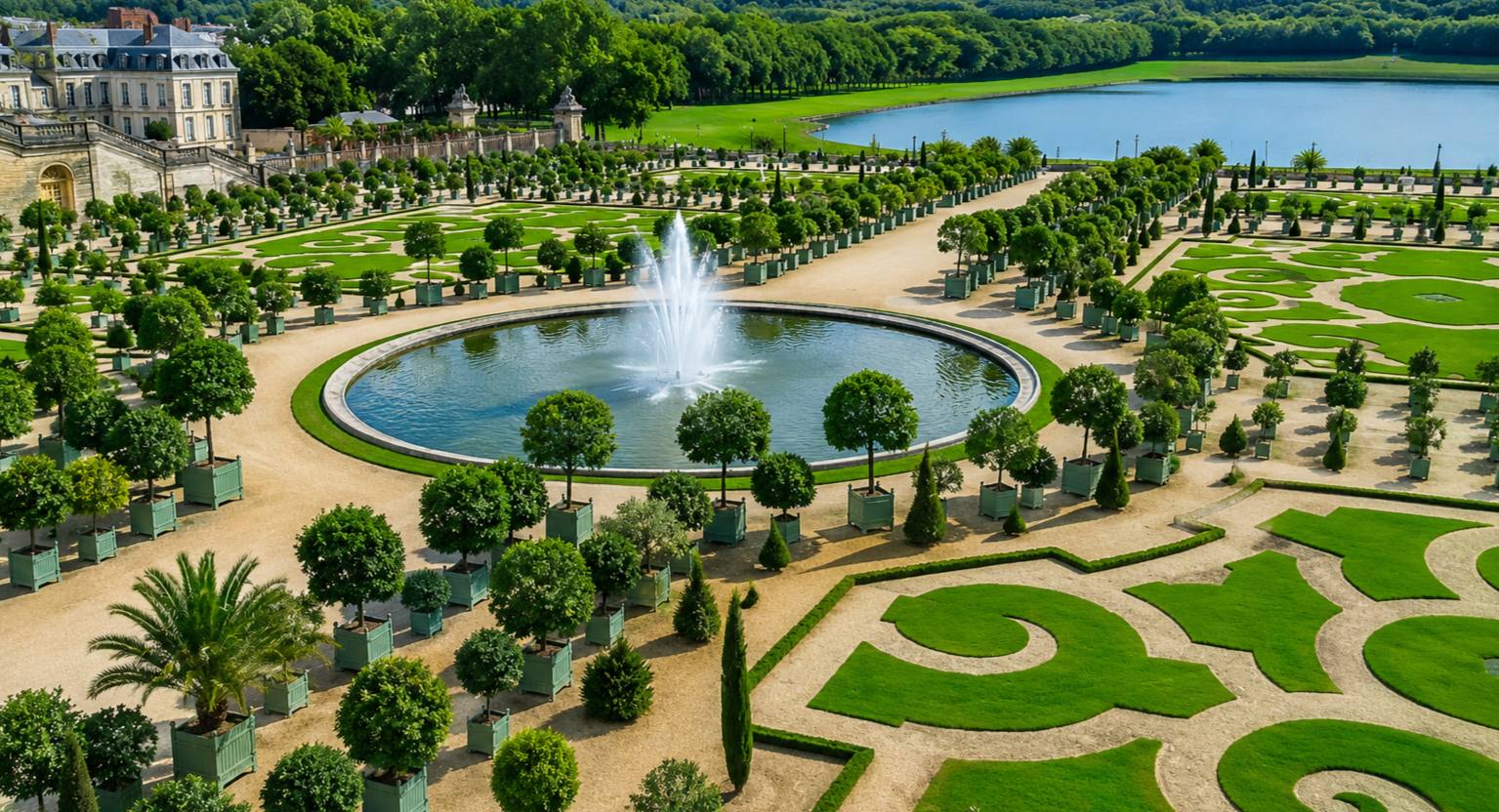
Contemporary landscape architecture increasingly uses water as a means of creating unique experiences for residents and visitors. While fountains and decorative ponds once served primarily visual purposes, they are now evolving into active centers of public engagement. Interactive water plazas, multifunctional fountains, adaptive water installations, and revitalized waterfront areas help create spaces that attract people of different ages and interests. Specialists believe that the opportunity to interact directly with the environment is what makes modern public spaces more dynamic, engaging, and relevant to contemporary urban lifestyles.
Water features are particularly valuable when it comes to improving urban comfort. As cities face rising temperatures and increasing development density, there is a growing need for solutions that can enhance the microclimate of public areas. Water elements contribute to natural cooling processes, reduce heat accumulation, and make outdoor environments more pleasant during warm seasons. At Ecolandscape Studio, we analyze international design practices and observe that thoughtfully integrated water features can significantly increase the attractiveness of public spaces without requiring extensive infrastructure modifications. Their ability to improve environmental conditions while enhancing visual quality makes them an increasingly important component of modern urban planning.
The emotional impact of water should not be underestimated. The presence of water within urban environments positively influences the perception of space and contributes to a calmer atmosphere. The sound of moving water, reflections of light on its surface, and the natural movement of water elements create a sense of balance and tranquility, even within highly urbanized districts. Specialists at Ecolandscape Studio note that these qualities help soften the visual rigidity often associated with dense urban environments and create more comfortable settings for relaxation, recreation, and recovery from daily stress.
Modern approaches increasingly integrate water features into broader ecological systems rather than treating them solely as decorative additions. Biofiltration ponds, rain gardens, and sustainable stormwater management solutions demonstrate how functionality can be combined with environmental responsibility. We believe that these strategies represent a new level of interaction between engineering infrastructure and landscape architecture. Water becomes an active participant within the urban ecosystem, fulfilling aesthetic, ecological, and practical roles simultaneously.
Cities of the future are increasingly focused on creating environments that provide high levels of comfort while establishing a distinctive urban character. Water remains one of the most versatile tools for achieving these goals. At Ecolandscape Studio, we see this as an opportunity to develop a new generation of public spaces where natural elements become an integral part of urban identity, strengthen residents’ connection with their surroundings, and contribute to the creation of more attractive, resilient, and sustainable cities.