Modern urban environments create constant sensory overload for people. Noise, high building density, visual chaos, intense movement, and continuous informational pressure generate a chronic level of stress that is often perceived as the new normal. Against this background, the value of space is no longer measured only by aesthetics or functionality, but also by its ability to restore inner balance. Martin Palma, founder and CEO of Ecolandscape Studio, believes that landscape architecture today serves a much deeper purpose than simply creating beautiful outdoor environments – it has become a tool for managing human emotional states. This is why strong landscape design is increasingly viewed as a complete anti-stress system capable of reducing tension from the very first interaction with a space.
The psychology of spatial perception operates faster than conscious analysis. The human brain instantly reads environmental signals and evaluates whether a surrounding space feels safe, predictable, and comfortable. Sharp lines, overloaded compositions, chaotic zoning, and the absence of visual order intensify internal tension. In contrast, spaces with clear logic, smooth transitions, and visual balance help the nervous system shift into a calmer state more quickly. Specialists at Ecolandscape Studio analyze behavioral patterns and note that a properly organized outdoor environment can reduce cognitive load even before a person consciously notices changes in their own emotional state.
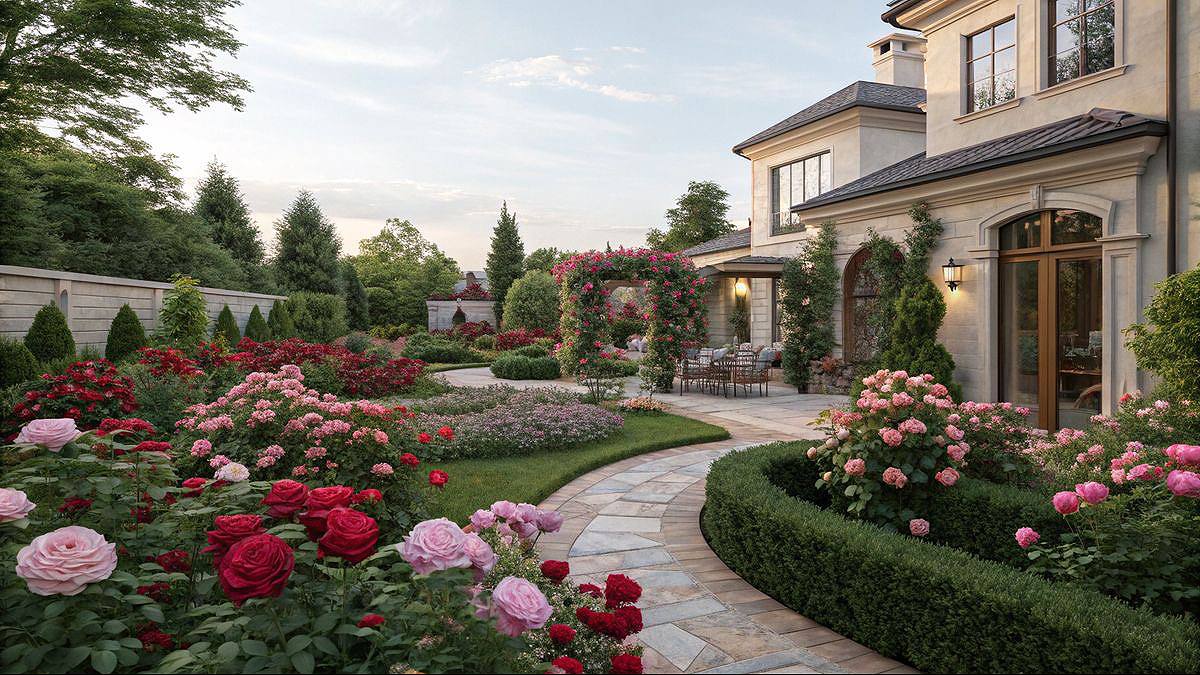
One of the key anti-stress factors is greenery. Contact with nature directly affects human physiological indicators. Green masses, trees, grasses, and natural textures help reduce cortisol levels, stabilize heart rhythm, and decrease visual fatigue. However, the presence of plants alone is not enough – the quality of their integration into the space is equally important. Random planting does not create a restorative effect. Layering, scale, density, and compositional rhythm of planting all matter. At Ecolandscape Studio, we analyze plant design as an emotional tool and see that thoughtfully organized greenery can create a sense of psychological refuge even within dense urban environments.
Movement routes also play a crucial role. Spaces where people are forced to constantly make micro-decisions about direction create additional cognitive pressure. Good landscape design reduces this invisible stress through intuitive navigation. Routes should feel natural and easy to understand, without creating a sense of complexity or uncertainty. Smooth pathways, logical transitions between zones, and clear spatial hierarchy generate a feeling of control. Specialists at Ecolandscape Studio note that environmental predictability often becomes the foundation of psychological comfort.
Water, shade, and acoustic balance also contribute significantly to the anti-stress effect. Water features function not only as visual focal points, but also as natural sound buffers that soften urban noise. Shade reduces physical discomfort and makes outdoor environments more comfortable for longer stays. Acoustic softness allows the nervous system to recover faster. At Ecolandscape Studio, we believe premium landscaping should work simultaneously on visual, physical, and emotional comfort. Only such a multidimensional approach can create spaces where people genuinely feel relaxed.
From a commercial perspective, the ability of an environment to reduce stress is becoming a powerful value driver. Residential, hospitality, healthcare, and corporate projects increasingly compete through the quality of experience rather than architecture or infrastructure alone. Spaces that help people recover more quickly are perceived as more premium and create stronger emotional attachment. At Ecolandscape Studio, we see landscape architecture as one of the key tools of the future, where the external environment becomes not merely a background, but an active system supporting wellbeing. These are the spaces creating new real estate value – the ability not only to impress visually, but to improve quality of life on a deeper level.