The understanding of value in modern real estate is rapidly evolving. While buyers once evaluated courtyards, terraces, and public spaces primarily through visual aesthetics, real usability and comfort now play a much greater role. One factor is becoming especially important – shade. In a world of increasingly hot urban climates, dense development, and overheating hard surfaces, shaded outdoor spaces are no longer just a pleasant addition, but a critical factor in quality of life. Martin Palma, founder and CEO of Ecolandscape Studio, believes that shade is becoming a new luxury resource in development – directly influencing how long people are willing to stay outdoors, use exterior amenities, and perceive a project as truly well designed.
Shade works on a much deeper level than visual comfort alone. It affects surface temperature, physical wellbeing, duration of outdoor use, and overall emotional perception of a property. A space may feature expensive materials, beautiful greenery, and refined design, yet without protection from overheating it quickly becomes a transit zone that people want to pass through as fast as possible. Specialists at Ecolandscape Studio analyze user scenarios and note that shaded zones often determine whether an outdoor environment becomes a living part of a project or remains merely a decorative rendering.
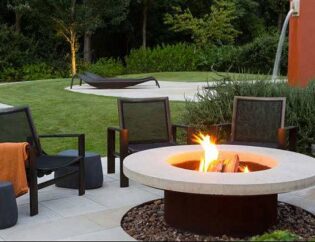
Shade is especially valuable in residential and hospitality projects, where outdoor experience is directly tied to daily comfort. Buyers evaluate not only whether a courtyard, terrace, or walking area exists, but whether it can actually be used comfortably throughout the day. If the environment overheats, lacks protected circulation routes, or places rest areas under direct sun, the value of the territory decreases significantly. At Ecolandscape Studio, we analyze shade strategy as part of a property’s product value and see that high-quality shade can transform external space into a true extension of residential or commercial experience.
Creating effective shade requires precise design thinking. It is not enough to simply add trees, pergolas, or canopies. Designers must consider site orientation, solar movement, seasonality, building heights, reflective surfaces, user routes, and zones of prolonged stay. Shade must appear exactly where it is needed most – along pedestrian paths, at entrance zones, in waiting areas, on terraces, around children’s spaces, and within relaxation areas. Specialists at Ecolandscape Studio note that premium shade design is built on a deep understanding of microclimate rather than random placement of isolated elements.
Trees deserve special attention as the most valuable tool for natural cooling. Unlike artificial structures, mature greenery not only creates shade but also improves microclimate, softens visual harshness, and makes a space feel emotionally calmer. However, poor plant selection or overly young planting often fails to deliver the required effect during the first years of operation. At Ecolandscape Studio, we believe shade planning must begin at the earliest conceptual stage, because strong shade never appears by accident – it is the result of deliberate work with vegetation, scale, and time.
From a commercial perspective, shaded outdoor spaces are becoming a powerful selling argument. They increase perceived value, extend the time people spend within a property, strengthen the sense of care, and make a project more competitive. At Ecolandscape Studio, we see shade not as a secondary landscaping element, but as a strategic tool for increasing real estate value. Projects where people can comfortably remain outdoors even on hot days are perceived as more mature, premium, and better adapted to real life. That is why expensive shade is becoming a new form of luxury – not demonstrative, but deeply practical.