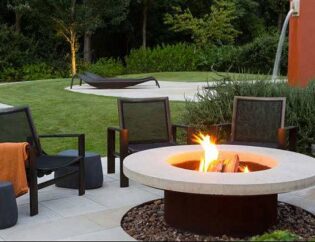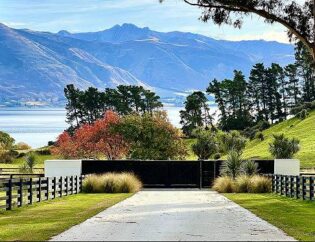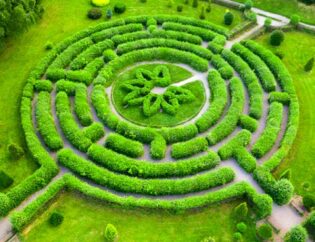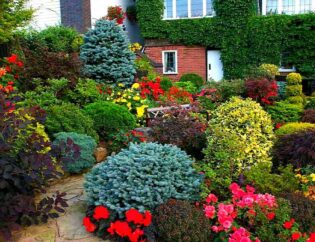
In modern development, advertising is no longer always the primary tool for convincing a client. Buyers increasingly trust not promises in presentations, but what they see and feel during their first interaction with a project. A territory can communicate the quality of a property faster than marketing copy, visual renderings, or commercial arguments. This is why landscape design is becoming a form of silent marketing – a subtle yet highly powerful way to sell a project through impression, trust, and emotional perception. Martin Palma, founder and CEO of Ecolandscape Studio, notes that a strong external environment works as nonverbal proof of development quality – it demonstrates the value of a project without needing verbal explanation.
Silent marketing begins with the first visual signal. A person has not yet studied layouts, pricing, materials, or infrastructure, yet already evaluates the property through the entrance zone, pathways, greenery, lighting, surface quality, and the overall atmosphere of the territory. If the environment feels thoughtful, well maintained, and cohesive, it instantly strengthens trust in the project. If the territory appears random or poorly executed, even strong architecture may lose part of its persuasive power. Specialists at Ecolandscape Studio analyze buyer perception and note that the external environment often creates the first emotional “yes” or “no” long before rational evaluation begins.
Landscape sells a project because it makes value visible. Many real estate advantages are difficult to explain with words alone – the feeling of calm, privacy, safety, premium quality, or thoughtful planning. But a well-designed territory allows people to feel these qualities immediately. Green zones, fluid circulation routes, shaded areas, water features, high-quality materials, and clear spatial hierarchy transform abstract brand promises into real experience. At Ecolandscape Studio, we analyze landscape design as the visual language of a project and see that a strong territory can communicate premium positioning more precisely than conventional advertising messages.
Photogenic quality has become especially important. In the era of social media, outdoor environments have become part of a project’s organic promotion. People naturally photograph beautiful courtyards, terraces, entrance zones, evening lighting, and details of landscaping, even without perceiving it as advertising. This gives a property additional visibility through natural content rather than direct marketing budgets. Specialists at Ecolandscape Studio note that photogenic landscapes should not feel artificially dramatic – they should create scenes that appear natural, refined, and emotionally attractive in everyday life.
Equally important is the territory’s ability to create trust. High-quality landscaping signals that a developer is thinking not only about selling square meters, but also about the long-term user experience. This is particularly critical in residential, hospitality, and mixed-use projects, where buyers evaluate not just the property itself, but the lifestyle it represents. At Ecolandscape Studio, we believe a territory should function as proof of quality – evidence of attention to detail, conceptual maturity, and high execution standards. Such an environment reduces buyer hesitation and makes decisions feel emotionally more secure.
From a commercial perspective, silent marketing strengthens a project’s market position without aggressive pressure on the client. The space does not persuade directly, yet creates a psychological state in which it becomes easier to believe in the property’s value. It increases perceived value, memorability, trust, and the desire to associate oneself with the project. At Ecolandscape Studio, we see landscape architecture as a powerful sales tool that works more quietly than advertising, yet often influences buyer decisions more deeply. When the territory itself communicates quality, status, and comfort, the project begins selling itself before a sales manager even delivers the first argument.