The traditional grass lawn has been a symbol of the well-kept American home for decades. But something is shifting. Across the country, homeowners are quietly reducing their turf areas, replacing grass with drought tolerant garden design, native plant garden design, and creative lawn alternatives that look just as polished — sometimes even better. If you have been wondering whether shrinking your lawn makes sense for your property, you are not alone.
The reasons behind this shift are practical. Grass lawns demand a significant amount of water, fertilizer, mowing time, and ongoing maintenance. For many households, that investment no longer feels worth it, especially in regions where water costs are rising and drought conditions are becoming more frequent. Low maintenance garden design has moved from a niche preference to a mainstream priority, and the lawn is often the first thing homeowners reconsider.
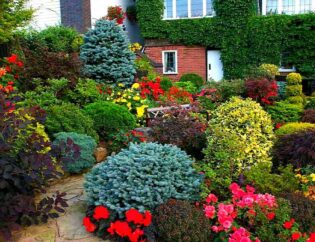
The good news is that reducing turf does not mean giving up a beautiful yard. There are genuinely attractive options that work well in both front yard landscaping ideas and backyard landscaping ideas. Ground covers like creeping thyme, clover, and ornamental grasses offer texture and color without the same water demands as traditional turf. Mulched planting beds with native shrubs and perennials create a layered, natural look that supports local wildlife and requires far less upkeep over time.
Pollinator garden design has become especially popular among homeowners who want their outdoor space to do more than just look neat. Replacing a section of lawn with flowering natives attracts bees, butterflies, and birds, turning a passive green carpet into an active, living part of the garden. Rain garden design is another option gaining traction, particularly in areas prone to runoff — these shallow planted depressions capture stormwater and filter it naturally while adding visual interest to the yard.
For those in drier climates, xeriscape garden design and water wise landscaping offer a structured approach to reducing turf. These methods use drought tolerant plants, efficient irrigation, and smart soil preparation to create landscapes that thrive with minimal water input. The result is a yard that looks intentional and well-designed rather than neglected.
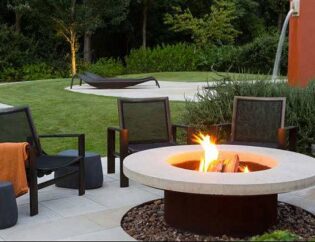
Hardscape elements also play a role in modern lawn reduction. Patio landscaping ideas, gravel paths, decomposed granite surfaces, and garden edging ideas can define spaces clearly and reduce the total area that needs regular maintenance. Landscape lighting ideas help extend the usability of these spaces into the evening, making the outdoor living space design feel complete and functional year-round.
Martin Palma, founder and CEO of Ecolandscape Studio, has seen this pattern play out consistently across residential projects. In his experience, homeowners who reduce their lawn by even 30 to 40% often report a noticeable drop in water bills and weekend maintenance time, while gaining planting areas that genuinely reflect their lifestyle. The key, he notes, is replacing turf with something that has a clear purpose — whether that is a seating area, a pollinator bed, or a drought tolerant border — rather than simply removing grass and leaving bare soil.
Before pulling out the sod, it helps to think about how your yard is actually used. If children or pets need open space for play, keeping a smaller, well-maintained turf area makes sense. The goal is not to eliminate grass entirely but to right-size it. Residential landscape design works best when it reflects real habits and needs rather than following a trend for its own sake.
Privacy landscaping is another factor worth considering during this process. Replacing lawn edges with taller native shrubs or ornamental grasses can create natural screening along property lines, improving both the look and the feel of the outdoor space without adding fencing. This approach works particularly well in small backyard design, where every planting decision carries more visual weight.
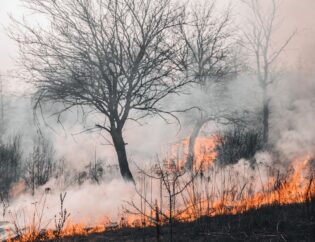
Fire resistant landscaping is a growing concern in many parts of the country. Replacing dry, dormant grass with low-growing succulents, stone mulch, and fire-adapted native plants reduces fuel load around the home and can improve safety without sacrificing curb appeal.
The shift away from traditional turf is not a passing trend. It reflects a broader change in how homeowners think about their outdoor spaces — as places that should be beautiful, functional, and manageable. Whether you are drawn to native plant garden design, a simple patio expansion, or a full xeriscape transformation, the process starts with one honest question: how much of your lawn are you actually using, and what could that space become instead?
At Ecolandscape Studio, we work with homeowners to answer exactly that question, helping translate practical goals into yard landscaping design that fits the property, the climate, and the people who live there.