When a major university decides to rethink how its outdoor spaces use water, the lessons reach far beyond campus grounds. The University of Utah has been using summer months to expand its xeriscaping program, replacing traditional turf and thirsty plantings with drought tolerant garden design that holds up beautifully in the region’s dry climate. For homeowners thinking about their own yard landscaping design, this kind of institutional shift offers a clear and practical signal: water-wise landscaping is no longer a niche choice — it’s becoming the standard.
Xeriscaping is a landscape design approach built around reducing or eliminating the need for supplemental irrigation. The word comes from the Greek «xeros,» meaning dry, and the core idea is simple: choose plants, materials, and layout strategies that work with your local climate rather than against it. At the University of Utah, this means swapping out large sections of conventional lawn for native plant garden design, gravel mulch, and low water perennials that thrive in Utah’s semi-arid conditions.
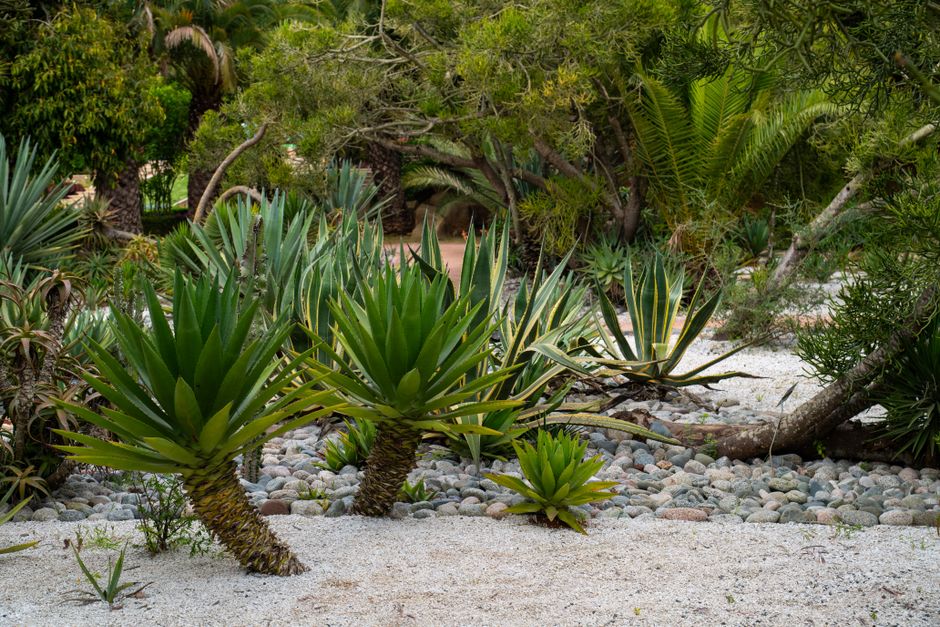
The campus xeriscaping work focuses on several practical strategies that translate directly into residential landscape design. Lawn alternatives like decomposed granite, ornamental grasses, and native groundcovers replace traditional turf in areas where grass struggles to stay healthy without heavy watering. Planting design is organized around grouping plants with similar water needs together, which reduces waste and makes irrigation far more efficient.
Rain garden design elements are also part of the picture, helping to capture and direct stormwater rather than letting it run off hard surfaces. This kind of thoughtful water management is especially relevant in urban and suburban settings where impermeable surfaces are common. Combined with garden edging ideas that define planting zones clearly, the result is a landscape that looks intentional and well-structured rather than sparse or unfinished.
The university also pays attention to soil preparation, which is one of the most overlooked parts of xeriscape garden design. Amending soil with organic matter before planting helps roots establish faster and retain moisture longer, reducing how often plants need water even in the hottest weeks of summer.
Martin Palma, founder and CEO of Ecolandscape Studio, has worked on residential xeriscape projects across different climate zones and points out that the biggest shift for most homeowners is psychological, not technical. People assume a low maintenance garden design means a bare or boring yard, but once they see how native plants and drought tolerant species perform through a full growing season, that concern disappears quickly. The texture, color variation, and seasonal interest you get from a well-planned xeriscape often outperforms a conventional lawn in terms of visual appeal.
For homeowners considering a similar direction, the university’s approach offers a useful framework. Start by identifying which areas of your front yard or backyard receive the most sun and have the poorest soil moisture retention — these are the best candidates for drought tolerant garden design. Replace those sections first, rather than trying to convert everything at once.
Native plant garden design is a strong foundation for any xeriscape project. Native species are already adapted to local rainfall patterns, which means they need less water, less fertilizer, and less intervention overall. They also support local pollinators, making your yard part of a broader pollinator garden design network that benefits the surrounding environment.
Landscape lighting ideas can enhance a xeriscape yard significantly. Because the planting design tends to feature interesting textures and sculptural plants, low-level lighting placed along pathways or near focal plantings creates a striking effect in the evening without adding maintenance demands.
Privacy landscaping is another area where xeriscape principles work well. Tall native shrubs and ornamental grasses can create natural screens that require far less water than traditional hedges, while still providing the structure and separation that homeowners want in their outdoor living space design.
For small backyard design, xeriscape approaches are especially practical. A compact yard with gravel mulch, a few well-chosen native plants, and clean garden edging ideas can feel polished and spacious rather than cramped. The reduction in lawn area also means less mowing, less watering, and more time to actually enjoy the space.
The University of Utah’s summer xeriscaping program is a reminder that good landscape design is not just about aesthetics — it’s about making choices that hold up over time, reduce resource use, and create outdoor spaces that genuinely work for the people and environment around them. Whether you’re redesigning a front yard, rethinking a backyard, or simply looking for smarter ways to manage your property, the principles behind water-wise landscaping are worth applying at any scale.