Summer in Orange County brings heat, dry spells, and rising water bills. For homeowners who care about their yards, it also brings a familiar challenge: how to keep a garden looking healthy without overwatering or wasting resources. Orange County Utilities has been actively encouraging residents to rethink their summer irrigation habits, and the timing could not be better for anyone planning a backyard landscaping update or a full residential landscape design refresh.
The utility’s message is straightforward. Outdoor water use spikes significantly during summer months, and a large portion of that water is applied inefficiently. Lawns and gardens often receive far more water than they actually need, especially when irrigation systems run on fixed schedules regardless of recent rainfall or soil moisture levels. The result is wasted water, higher utility costs, and in many cases, plants that are actually harmed by overwatering rather than helped.
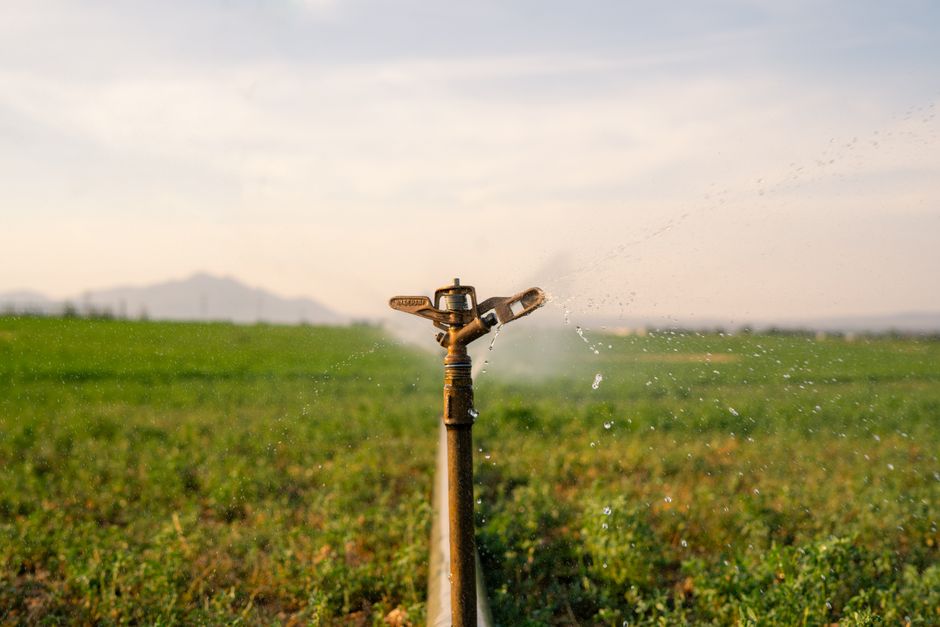
Smart irrigation is not just about installing a fancy controller. It is about aligning your watering schedule with what your plants genuinely need. Orange County Utilities recommends using weather-based or soil moisture sensor controllers, which adjust automatically based on real conditions rather than a preset timer. These systems can reduce outdoor water use noticeably while keeping your planting design healthy and consistent.
For homeowners working on a yard landscaping design or updating an existing outdoor living space, this is a practical place to start. Watering in the early morning reduces evaporation. Avoiding irrigation during or right after rain seems obvious, but many systems still run on schedule regardless. Checking sprinkler heads regularly for leaks, misalignment, or overspray onto pavement is another simple step that makes a real difference.
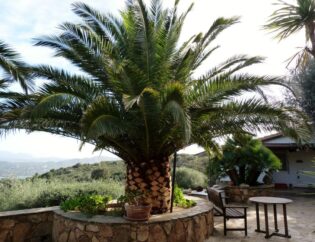
The utility also points to the Florida-Friendly Landscaping program as a resource for residents. This program promotes plant choices and design approaches that naturally require less water, including native plant garden design, drought tolerant garden design, and xeriscape garden design principles. These are not just conservation strategies. They are also some of the most relevant garden design trends shaping residential landscape design right now.
Martin Palma, founder and CEO of Ecolandscape Studio, has seen this shift play out across dozens of projects. In his experience, homeowners who invest in water-wise landscaping from the start almost always spend less on maintenance over time, and their gardens tend to look more natural and established than yards built around thirsty turf and high-input planting. The shift toward low maintenance garden design and native plant selections is not a compromise. It is a smarter foundation for any outdoor space.
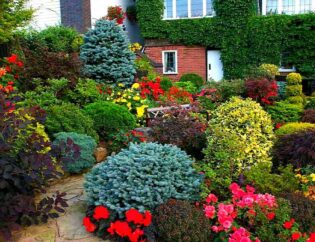
Choosing the right plants is one of the most effective things a homeowner can do. Native plant garden design and pollinator garden design naturally align with water-wise landscaping because native species are adapted to local rainfall patterns and soil conditions. They establish faster, require less supplemental irrigation once settled, and support local ecosystems at the same time.
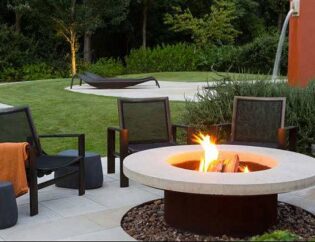
Lawn alternatives are another area worth exploring. Traditional turf requires consistent watering, especially during Florida summers. Replacing portions of a front yard or backyard with groundcovers, mulched planting beds, or permeable hardscape reduces the overall irrigation demand while opening up space for more interesting patio landscaping ideas and outdoor living space design.
Rain garden design is a particularly effective approach in areas that receive heavy summer rainfall followed by dry periods. A well-placed rain garden captures runoff, allows it to absorb slowly into the soil, and reduces the need for supplemental irrigation nearby. Combined with thoughtful garden edging ideas and landscape lighting ideas, these features can become genuine focal points in a modern garden design.
For smaller properties, small backyard design benefits especially from these principles. A compact space with drought tolerant plants, efficient drip irrigation, and smart zoning can look polished and feel comfortable without demanding constant attention or high water use.
The broader point from Orange County Utilities is that summer is the peak moment to evaluate how your irrigation system is actually performing. A system that was installed years ago and never adjusted may be running longer than necessary, covering areas that no longer need water, or missing zones where plants are struggling. A seasonal audit, whether done personally or with a landscape professional, can reveal quick wins that reduce waste and improve results.
For anyone planning a new residential landscape design or updating an existing yard, building water efficiency into the design from the beginning is far easier than retrofitting it later. Choosing plants suited to the local climate, grouping them by water needs, using mulch to retain soil moisture, and installing a responsive irrigation controller are all decisions that pay off season after season. Good landscape design is not about doing more. It is about doing the right things in the right way, and smart irrigation is one of the clearest examples of that principle in practice.