Summer brings a natural shift in how homeowners think about their outdoor spaces. The heat, the longer days, and the desire to actually enjoy the yard push people to reconsider what their garden looks like, how much work it takes, and whether it fits the way they live. A fresh wave of summer guides focused on backyard care and residential landscape design is reshaping how people approach everything from planting choices to outdoor living space design — and the direction is clear: less maintenance, more intention.
One of the strongest themes running through current landscape design trends is the move away from traditional grass lawns. Lawn alternatives are gaining serious ground, with homeowners replacing turf with ground covers, gravel, decomposed granite, native plant beds, and mixed low-growing perennials. The reasons are practical: water bills, mowing schedules, and the growing awareness that a monoculture lawn offers little to local ecosystems. Water-wise landscaping and xeriscape garden design are no longer niche concepts — they are becoming standard recommendations in mainstream backyard landscaping guides.
Drought tolerant garden design is one of the most requested approaches this season. Homeowners are looking for planting design that holds up through dry spells without constant irrigation. Native plant garden design fits naturally into this picture, since plants adapted to local conditions need far less water and care once established. Pollinator garden design is also rising in popularity, with more people choosing flowering natives that support bees, butterflies, and other beneficial insects while keeping the yard looking full and alive.
Rain garden design is another idea getting more attention in summer guides. These shallow planted depressions capture runoff from roofs and driveways, filtering it naturally through the soil rather than letting it wash away. They work especially well in yards with drainage challenges and can be designed to look like a natural garden feature rather than a functional fix.
Fire resistant landscaping is becoming a priority in regions where dry summers increase wildfire risk. Guides are recommending wider spacing between plants, the use of fire-resistant species, and clearing dry material from areas close to the home. This is not just a safety measure — it also tends to produce cleaner, more open yard landscaping design that feels intentional rather than overgrown.
Martin Palma, founder and CEO of Ecolandscape Studio, has observed this shift firsthand across client projects. In his experience, homeowners who start with a low maintenance garden design goal often end up with more beautiful yards than those who try to maintain high-input traditional landscapes. The discipline of choosing the right plants for the right place, reducing lawn area, and designing with seasonal change in mind tends to produce outdoor spaces that look better over time, not worse.
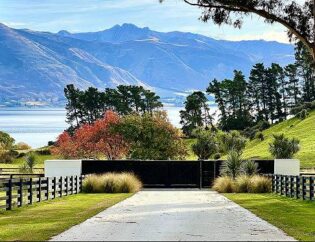
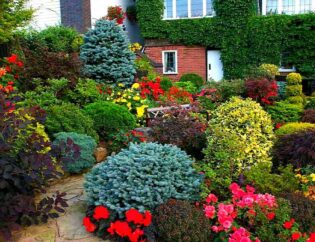
Front yard landscaping ideas in current guides focus heavily on curb appeal through simplicity. Clean garden edging ideas, defined planting beds, and a clear path to the entrance make a strong impression without requiring elaborate maintenance. Privacy landscaping is also a recurring theme in backyard design, with layered plantings, ornamental grasses, and screening shrubs replacing solid fences in many residential landscape design projects.
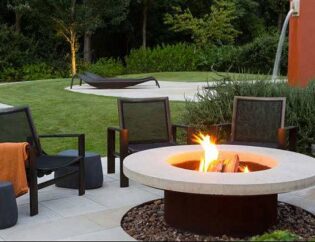
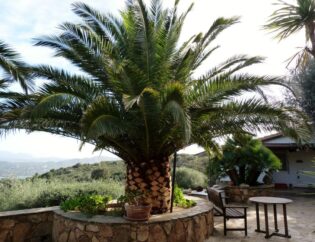
Patio landscaping ideas are evolving toward more integrated outdoor living space design. Rather than treating the patio as a separate zone, designers are connecting it to the surrounding planting through consistent materials, garden edging, and landscape lighting ideas that extend usability into the evening. Modern garden design tends to blur the line between the built and planted areas, creating a more cohesive feel across the whole property.
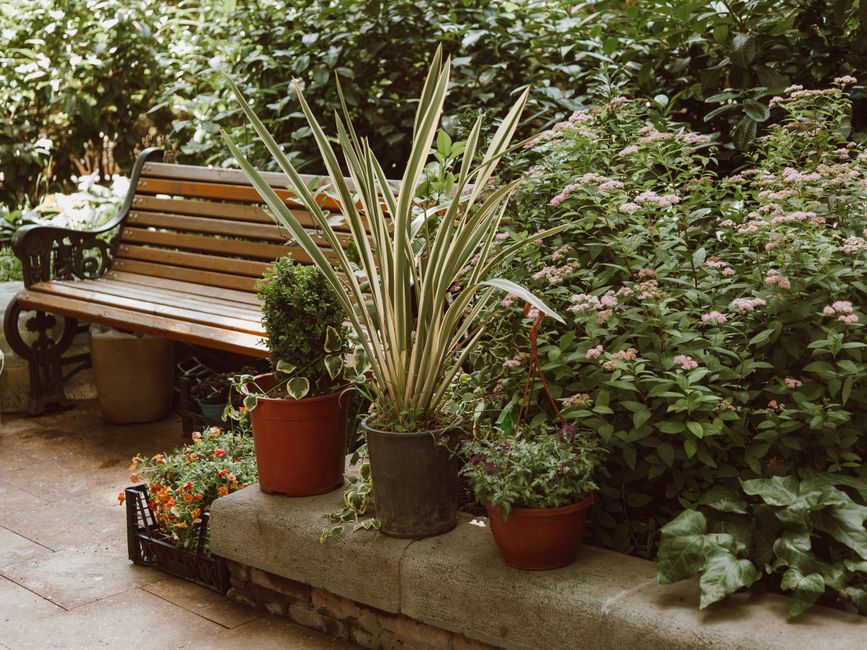
Small backyard design is getting particular attention this summer, with guides offering creative approaches for compact spaces. Vertical planting, multi-use furniture, and strategic lighting can make a small yard feel much larger and more functional. The key is avoiding clutter and choosing a clear design direction rather than filling every corner with different ideas.
For anyone planning updates to their home garden design this season, the practical takeaway from current guides is straightforward: start with what you want to use the space for, then choose plants and materials that support that use with as little ongoing effort as possible. Sustainable landscaping does not mean sacrificing beauty — it means making smarter choices from the beginning. Whether you are redesigning a full backyard or simply refreshing a planting bed, the principles of water-wise landscaping, native planting, and thoughtful outdoor living space design give you a strong foundation to work from.