A garden that feels overwhelming is rarely the result of too many plants or too little space. More often, it comes down to a handful of design decisions that quietly work against each other. The good news is that most of these problems are fixable, and understanding what causes visual clutter is the first step toward a yard that actually feels calm, intentional and enjoyable to spend time in.
At Ecolandscape Studio, we see the same patterns repeat across residential landscape design projects, regardless of the size of the property or the style of the home. Cluttered gardens tend to share a few common traits, and once you know what to look for, the path forward becomes much clearer.
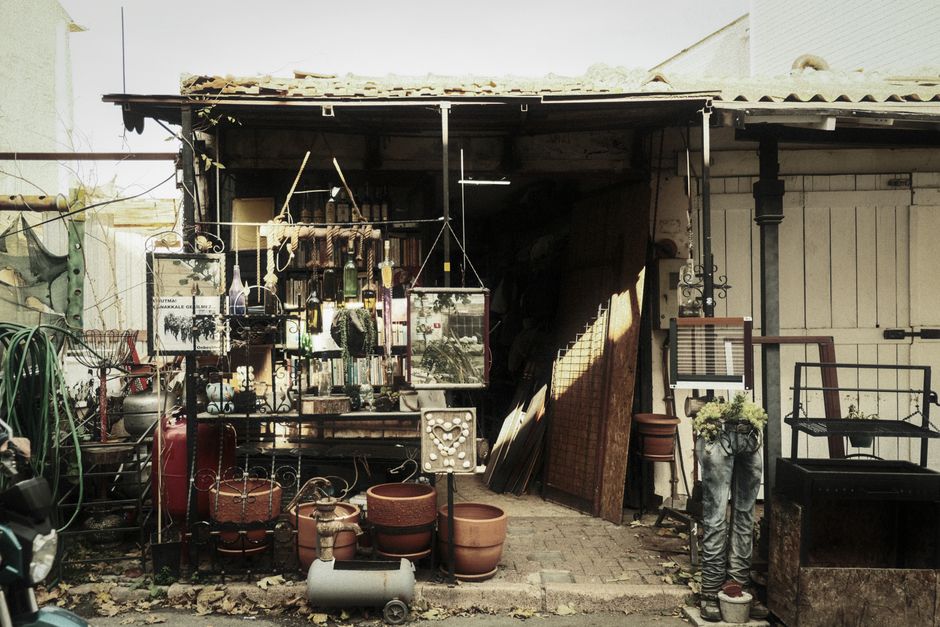
One of the most frequent issues in backyard landscaping and front yard landscaping alike is the presence of too many elements trying to be the star of the show at the same time. A garden ornament here, a bold planting there, a decorative pot, a birdbath, a brightly colored bench — when everything demands attention, nothing actually gets it. The eye has nowhere to rest, and the space starts to feel chaotic rather than curated.
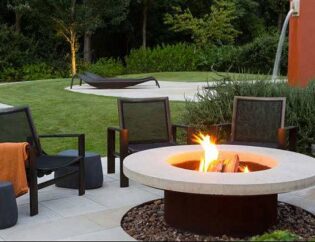
The fix is simpler than most people expect. Choose one or two focal points per area and let everything else support them. In a small backyard design, this might mean a single well-placed tree or a defined patio landscaping area with clean edging. In a larger yard, you can have multiple focal points, but they should be spaced out and connected by a clear visual path. Thoughtful planting design helps here — using repetition of color, texture or plant species creates rhythm and makes the space feel cohesive rather than scattered.
Martin Palma, founder and CEO of Ecolandscape Studio, often points out that the gardens people find most beautiful in person are rarely the ones packed with variety. In his experience working across different residential landscape design projects, the spaces that feel genuinely restful tend to use restraint as a design tool. Choosing fewer elements and placing them with intention consistently produces a stronger result than filling every corner with something interesting.
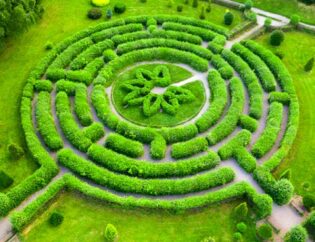
Another major contributor to a cluttered look is the absence of clear structure. When lawn blends into planting beds without any defined transition, when a patio area has no visual boundary, or when pathways feel uncertain, the whole yard loses its sense of order. Garden edging ideas are not just decorative — they are functional tools that tell the eye where one space ends and another begins.
The same principle applies to how different zones are organized within the outdoor living space. A yard that mixes a play area, a dining space, a vegetable patch and a flower garden without any separation between them will always feel busy, even if each individual element is well maintained. Defining zones through low hedges, changes in ground material, landscape lighting ideas or simple shifts in planting height gives the garden a logical structure that makes it easier to read and easier to enjoy.
Low maintenance garden design benefits especially from this kind of clarity. When beds are well-defined and zones are obvious, upkeep becomes more manageable because you always know exactly what belongs where. Native plant garden design and drought tolerant garden design work particularly well within structured layouts, since these planting styles rely on grouping plants with similar needs, which naturally creates organized, readable sections within the yard.
Lawn alternatives like gravel, ground cover plants or decomposed granite can also help define space while reducing the visual noise that comes from an uneven or patchy lawn. Water wise landscaping and xeriscape garden design often use these materials to great effect, creating clean, modern garden design aesthetics that feel intentional rather than improvised.
If your garden currently feels like a lot is happening without a clear reason, the most practical starting point is to walk through the space and identify where the edges are unclear or where zones overlap without purpose. Fixing those transitions — whether through garden edging, strategic planting or a simple change in surface material — will have a more immediate impact on how the space looks and feels than adding anything new.
The goal of good yard landscaping design is not to have more, but to have the right things in the right places. A garden that looks calm and considered is almost always one where someone made deliberate choices about what to include, what to leave out and how each element relates to the ones around it. That kind of thinking is what separates a space that feels finished from one that always seems like it needs something else.